Embarking on a solo adventure can be incredibly rewarding, but choosing activities that truly resonate with your interests and personality is key. This comprehensive guide explores the diverse world of solo activities, from thrilling outdoor adventures to introspective creative pursuits. We’ll delve into finding activities that align with your personal interests, planning engaging experiences, and prioritizing your safety and well-being throughout the journey.
This guide will walk you through the process of identifying your passions, planning your solo adventures, finding local resources, and adapting to unexpected circumstances. We’ll also cover crucial aspects of safety, well-being, and strategies for overcoming challenges that may arise. Ultimately, the goal is to equip you with the knowledge and tools to design enriching and fulfilling solo experiences.
Introduction to Solo Activities
Solo activities are pursuits undertaken independently, without the involvement of others. They offer a unique opportunity for self-reflection, personal growth, and the development of valuable skills. These activities often provide a space for individuals to connect with their inner selves, fostering a deeper understanding of their strengths and limitations.Engaging in solo activities fosters self-reliance, problem-solving abilities, and a stronger sense of self-awareness.
Individuals can explore their interests at their own pace and discover passions they might not have encountered in a group setting. This independent exploration cultivates a deeper appreciation for personal autonomy and the satisfaction derived from individual accomplishments.
Categories of Solo Activities
Solo activities can be broadly categorized into various domains, each offering distinct benefits. Understanding these categories can help individuals identify activities that align with their interests and goals.
- Outdoor Activities: These activities involve interaction with the natural environment. Examples include hiking, camping, kayaking, birdwatching, and nature photography. These pursuits provide opportunities for physical exercise, stress reduction, and a deeper connection with nature. The solitude allows for focused observation and appreciation of the surroundings.
- Creative Activities: These activities allow for self-expression and imagination. Examples include painting, sculpting, writing, music composition, and photography. The process of creating something from scratch can be deeply rewarding, fostering a sense of accomplishment and satisfaction. The freedom from external judgments allows for a more authentic creative expression.
- Intellectual Activities: These activities focus on mental stimulation and knowledge acquisition. Examples include reading, learning a new language, studying a subject of interest, or engaging in philosophical reflection. These activities enhance cognitive abilities, broaden perspectives, and foster a deeper understanding of the world around us. The solitude allows for deep concentration and thorough exploration of concepts.
- Relaxation and Mindfulness Activities: These activities focus on calming the mind and promoting well-being. Examples include meditation, yoga, journaling, and spending time in nature. These pursuits are valuable for stress reduction, emotional regulation, and fostering a sense of inner peace. The quiet space allows for introspection and self-discovery.
Self-Discovery Through Solo Activities
Solo activities play a crucial role in the process of self-discovery. By engaging in activities independently, individuals gain a clearer understanding of their interests, values, and strengths. This self-awareness fosters personal growth and allows individuals to make informed choices about their future. It provides the space for introspection and recognition of personal motivations.
Examples of Solo Activities
The following table provides a concise overview of various solo activity types, their descriptions, and associated benefits:
| Activity Type | Description | Benefits |
|---|---|---|
| Hiking | Exploring nature trails independently, often at a leisurely pace. | Physical fitness, stress reduction, appreciation of nature, improved mental clarity. |
| Journaling | Recording thoughts, feelings, and experiences in a personal journal. | Improved self-awareness, emotional processing, stress relief, creative outlet. |
| Reading | Engaging with books, articles, or other written material. | Knowledge acquisition, broadened perspectives, improved vocabulary, relaxation. |
| Meditation | Practicing mindfulness techniques to calm the mind and focus on the present moment. | Stress reduction, emotional regulation, improved focus, enhanced self-awareness. |
| Learning a new language | Acquiring a new language through independent study, practice, or immersion. | Cognitive enhancement, cultural understanding, improved communication skills, personal enrichment. |
Identifying Personal Interests
Discovering and nurturing personal interests is crucial for selecting enjoyable and fulfilling solo activities. Understanding your passions allows you to tailor activities to your preferences, leading to a more enriching and satisfying solo experience. This process involves introspection and exploration, ultimately leading to a greater appreciation for the activities you engage in.
Identifying Five Distinct Personal Interests
Understanding your personal interests is a fundamental step in selecting activities. Identifying five distinct interests provides a solid foundation for exploring suitable solo pursuits. These interests could range from artistic endeavors to intellectual pursuits, or even physical activities. For example, someone might be passionate about photography, writing, hiking, learning a new language, or playing a musical instrument.
The key is to identify areas where you naturally feel drawn and motivated.
Exploring Hobbies and Passions
Exploring hobbies and passions is a multifaceted process involving self-reflection, experimentation, and engagement. A good starting point is to consider activities you’ve enjoyed in the past, even if only briefly. Have you ever been captivated by a particular book, a craft project, or a specific type of music? These past experiences can provide valuable insights into potential current interests.
Engage in activities related to potential interests, even if it’s just for a short time. Attend workshops, take introductory classes, or simply try out different tools or techniques. Experimentation and active engagement are essential in discovering new passions. For example, if you’ve always been curious about painting, take a few introductory classes to see if it sparks your interest.
If you enjoy learning new languages, consider finding a language partner or taking an online course.
Researching Activities Aligned with Interests
Once you’ve identified your interests, researching activities that align with them is the next logical step. Explore different avenues such as online resources, local community centers, or even recommendations from friends and family. Websites like Meetup.com can offer a vast array of group activities that might spark your interest. Local libraries and community colleges often host workshops and classes that can introduce you to a wide range of hobbies and activities.
Also, social media groups dedicated to specific interests can be a great source of information and connections. For example, if you’re interested in hiking, you can research local trails and parks, read hiking blogs, or join a hiking group.
Table: Interests and Potential Activities
| Interest | Potential Activities |
|---|---|
| Photography | Taking photos of nature, street photography, portraiture, wildlife photography, photo editing |
| Writing | Journaling, creative writing, blogging, poetry, scriptwriting, book reviews |
| Hiking | Exploring local trails, backpacking, day hikes, nature photography, wildlife observation |
| Learning a New Language | Online language courses, language exchange partners, language immersion trips, watching movies/TV shows in the target language |
| Playing a Musical Instrument | Taking lessons, practicing at home, joining a band or orchestra, attending concerts |
Planning Solo Adventures

Embarking on a solo adventure can be a profoundly rewarding experience, fostering self-discovery and independence. Careful planning is crucial for ensuring a safe, enjoyable, and fulfilling journey. This section will delve into the strategies for crafting successful solo adventures.Planning a solo trip requires a mindful approach that considers individual interests, available time, and safety precautions. A well-defined plan not only enhances the enjoyment of the experience but also mitigates potential risks.
Setting Clear Goals
Defining clear goals is paramount for any solo adventure. These goals should encompass not only the desired activities but also the personal growth you seek to achieve. For example, a goal might be to hike a specific trail for personal challenge, or to immerse yourself in a new culture. Specific and measurable goals will aid in tracking progress and ensure a sense of accomplishment.
Planning Activities Aligned with Interests and Time
The activities planned should be intrinsically linked to personal interests and preferences. If you enjoy nature photography, a hiking trip in a scenic area might be ideal. Conversely, if you prefer city exploration, a trip to a vibrant metropolis could be more fitting. Time constraints also play a significant role in planning. Activities should be realistically scheduled to fit the available timeframe.
For instance, a week-long trip might accommodate a longer hike, while a weekend excursion might be more suited for a day trip to a nearby historical site.
Creating a Detailed Itinerary
A detailed itinerary is essential for a smooth and enjoyable solo adventure. This itinerary should Artikel the planned activities, including specific locations, estimated durations, and transportation methods. A sample itinerary could include: Day 1 – Arrival at destination, check into accommodation, explore the local market. Day 2 – Hiking trip to a nearby waterfall, picnic lunch amidst nature.
Day 3 – Visit a museum, enjoy the local cuisine, return to accommodation. This level of detail ensures a clear roadmap for the journey.
Considerations for Solo Activities
Several crucial considerations need to be factored into the planning process. Safety is paramount, requiring meticulous research of the destination, including local regulations and emergency contact information. A realistic budget must be established to cover expenses like accommodation, transportation, and food. Logistics, including booking accommodations, transportation, and necessary permits, should be addressed well in advance.
Safety, Budget, Logistics, and Time
- Safety: Research the destination thoroughly, including local regulations, emergency contact information, and potential safety hazards. Always inform someone of your itinerary and expected return time.
- Budget: Create a detailed budget that accounts for all expenses, including accommodation, food, transportation, and activities. Factor in potential unexpected costs.
- Logistics: Book accommodations, transportation, and necessary permits well in advance. Ensure you have a backup plan in case of unforeseen circumstances.
- Time: Allocate sufficient time for each activity, including travel time and potential delays. Build flexibility into the schedule to accommodate unforeseen circumstances.
Example Itinerary
| Activity | Duration | Location | Budget (USD) |
|---|---|---|---|
| Hiking to Emerald Falls | Full Day | Cascade Mountains National Park | 50 |
| Explore the City of Lights | 2 Days | Paris, France | 300 |
| Visit the Ancient Ruins | 1 Day | Rome, Italy | 100 |
| Relaxing Beach Getaway | 3 Days | Maui, Hawaii | 400 |
Finding Activities in Local Communities

Discovering enriching solo experiences often lies within the heart of your local community. Exploring local events and groups can lead to unexpected connections and fulfilling activities. This section details resources and strategies for finding and engaging in solo-friendly activities in your area.
Local Event Listings and Resources
Local event listings are invaluable resources for solo individuals seeking activities. These listings frequently include details about events, such as dates, times, locations, and descriptions. Many websites and apps specialize in aggregating local events, making it easy to search for events based on interests. Community centers, libraries, and tourism offices often maintain their own event calendars. These venues are excellent starting points for discovering local events and activities, particularly those geared towards individuals.
Utilizing Online Platforms for Solo Activities
Numerous online platforms can connect solo individuals with like-minded people for shared activities. Social media groups, dedicated forums, and interest-based websites often host events and meetups specifically designed for solo travelers or those seeking solo activities. Online platforms provide a convenient way to discover upcoming events, connect with potential partners, and learn about local groups and organizations. Searching for “solo hiking groups near me,” for instance, can reveal local hiking groups welcoming solo participants.
Connecting with Local Communities and Groups
Building connections with local communities and groups can unlock a wealth of opportunities for solo activities. Attending local workshops, classes, or community gatherings provides an opportunity to meet people with shared interests. Volunteering for local organizations or participating in community projects can facilitate interaction and provide opportunities for solo exploration and engagement. Reaching out to local clubs or organizations related to your interests is a straightforward approach.
Strategies for Participating in Group Activities Without Feeling Overwhelmed
Participating in group activities, even as a solo individual, can be a positive experience. One strategy is to attend activities with an open mind and a willingness to connect with others. Initiating conversations with others in a relaxed and friendly manner can be beneficial. If the group size is large, seeking out smaller, more intimate gathering spots or activities can be helpful.
It’s important to remember that your comfort level is paramount. If an activity feels overwhelming, it’s acceptable to step away and find something more suitable. It’s also important to remember that many people, even in group settings, enjoy having a companion.
Table of Local Resources for Solo Activities
| Activity Type | Local Resources |
|---|---|
| Hiking | Local hiking clubs, park websites, online forums for hiking groups |
| Book Clubs | Libraries, community centers, book-related online groups |
| Cooking Classes | Community centers, cooking schools, online cooking groups |
| Language Exchange | Local language schools, universities, language exchange groups on social media |
| Volunteer Opportunities | Local charities, non-profit organizations, community service websites |
| Art Classes | Community centers, art studios, art-related online groups |
Embracing Flexibility and Adaptability
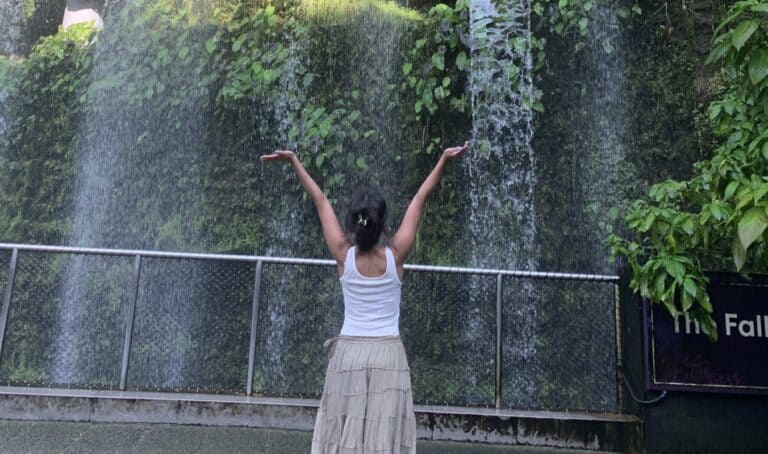
Embarking on solo adventures often involves navigating unexpected situations. Adaptability is a crucial skill for maintaining a positive and safe experience, whether facing weather changes, personal needs, or unforeseen circumstances. Learning to adjust plans with grace and openness can transform a potential setback into a unique and memorable experience.Flexibility is paramount in solo activities. Pre-planned itineraries, while helpful, can become rigid constraints if not approached with a willingness to adjust.
This mindset allows for spontaneous opportunities and prevents frustration when plans deviate from the original schedule.
Strategies for Adapting Plans
Flexibility involves having backup plans or alternative activities in mind. This preparedness allows for a seamless transition when the initial plan isn’t feasible. For instance, if a planned hike is canceled due to inclement weather, a visit to a local museum or a scenic drive could be substituted. Having a range of options available allows for a smooth transition and avoids unnecessary disappointment.
Adjusting to Weather Changes
Unforeseen weather conditions are a common factor affecting solo plans. Checking weather forecasts before setting out is essential. If the forecast changes significantly, consider adjusting the duration or intensity of the activity. For example, a planned outdoor concert might be rescheduled to an indoor venue if rain is anticipated. Similarly, if a planned hiking trip becomes too strenuous due to heat, a shorter route or a cooler time of day could be selected.
Handling Unforeseen Circumstances
Unforeseen circumstances, such as sudden illness or mechanical issues, can disrupt solo plans. Having a reliable communication method, such as a charged phone or a satellite messenger, is vital. If possible, notify someone of your itinerary and expected return time. This allows for prompt assistance if needed. Emergency contact information should also be readily available.
Remaining Open to New Experiences
Staying flexible fosters a willingness to embrace unexpected opportunities. If a planned activity doesn’t appeal, consider exploring alternative options. This open-mindedness can lead to discovering hidden gems and experiencing new aspects of a location. A visit to a local market instead of a planned museum visit could reveal unique crafts or culinary experiences. Embracing the unexpected enriches the overall solo adventure.
Prioritizing Safety and Well-being
Embarking on solo adventures can be incredibly rewarding, but it’s crucial to prioritize safety and well-being. A proactive approach to these aspects can significantly enhance the enjoyment and reduce potential risks associated with solo activities. This section will Artikel essential safety precautions and strategies for maintaining personal well-being during solo pursuits.Understanding the importance of safety in solo activities is paramount.
Whether it’s a day hike or a multi-day trek, a thorough assessment of potential hazards and risk mitigation strategies are vital. Personal well-being is equally crucial, as maintaining a healthy mindset and stress management techniques are vital for a positive experience.
Importance of Safety Precautions
Safety precautions are fundamental to any solo activity. They encompass a range of measures to mitigate risks and ensure a safe and enjoyable experience. A thorough understanding of potential hazards and appropriate responses is key to minimizing risks. For instance, knowing how to handle an emergency situation or recognizing potential weather changes can dramatically affect the outcome of a solo outing.
Safety Precautions for Different Activities
Careful planning and preparation are essential for a safe solo experience. Specific precautions vary depending on the type of activity.
- Hiking: Inform someone of your itinerary, including the route, estimated return time, and contact information. Carry a first-aid kit, plenty of water, and appropriate clothing for the weather conditions. Be aware of wildlife and potential hazards such as falling rocks or unstable terrain. Familiarize yourself with the trail and any potential hazards before setting out.
- Traveling: Research your destination thoroughly, including local laws, customs, and potential safety concerns. Share your itinerary with someone and keep them updated on your location. Inform your bank and any relevant organizations about your travel plans. Utilize reputable transportation services and accommodation options, and be mindful of your belongings in public places.
- Outdoor Activities: Appropriate gear is crucial. Check the weather forecast and dress in layers. If engaging in activities like rock climbing or kayaking, ensure you have the necessary skills and training. Always practice caution and be mindful of your surroundings.
Maintaining Personal Well-being
Prioritizing personal well-being is as critical as physical safety. Maintaining a positive mindset and managing potential stress and anxiety are essential components of a successful solo experience.
- Mindfulness: Practicing mindfulness techniques can help manage stress and anxiety. These techniques can include meditation, deep breathing exercises, or simply taking time to appreciate your surroundings.
- Self-Care: Ensure adequate rest, hydration, and nutrition throughout your solo activities. Plan for breaks and downtime to avoid burnout and maintain energy levels.
- Social Connection: Even when alone, maintain social connections. Connect with friends and family virtually or use communication tools to stay connected.
Stress and Anxiety Management
Solo activities can sometimes trigger stress or anxiety. Developing strategies for managing these emotions is important for a positive experience.
- Setting Realistic Expectations: Don’t try to do too much or take on more than you can handle. Setting realistic goals and acknowledging limitations can prevent disappointment and stress.
- Time Management: Planning your activities effectively can minimize the chance of feeling rushed or overwhelmed. Break down tasks into smaller, manageable steps to reduce stress.
- Seeking Support: Don’t hesitate to reach out to friends, family, or professionals for support if you’re feeling stressed or anxious. Open communication can make a significant difference.
Safety Checklist for Solo Activities
This checklist provides a framework for safety considerations during solo activities.
- Inform someone of your plans, including your itinerary, estimated return time, and emergency contact information.
- Carry necessary supplies such as a first-aid kit, water, and appropriate clothing.
- Check the weather forecast and dress accordingly.
- Be aware of potential hazards and take precautions.
- Know how to use any equipment you will be employing.
- Carry a map and compass or GPS device, if applicable.
- Have a means of communication, such as a phone or satellite messenger.
Overcoming Challenges in Solo Activities
Embarking on solo adventures can be incredibly rewarding, but it’s important to acknowledge that challenges may arise. Navigating feelings of isolation, building confidence, and managing moments of uncertainty are crucial aspects of a positive solo experience. This section explores strategies to overcome these hurdles, ensuring a fulfilling and enjoyable journey.Solo activities, while offering immense personal growth, can sometimes present unique challenges.
Understanding these common difficulties and developing proactive strategies to address them is vital for a positive and enriching solo experience. This section will equip you with the tools to not only identify these challenges but also to develop coping mechanisms to ensure your solo adventures are as fulfilling as possible.
Identifying Common Challenges
Solo adventures, while enriching, can sometimes present unexpected hurdles. Common challenges faced by solo adventurers include feelings of isolation or loneliness, a lack of built-in support systems, and moments of boredom or uncertainty. Recognizing these potential difficulties is the first step towards overcoming them.
Strategies for Overcoming Isolation and Loneliness
Maintaining a sense of connection and combating feelings of isolation are key to a positive solo experience. Engaging in activities that foster interaction, such as joining local clubs or groups related to your interests, can mitigate feelings of loneliness. Finding opportunities for meaningful interactions, even if brief, can create a sense of community and connection. Actively seeking out opportunities to engage with others in shared activities can also contribute to a sense of belonging.
Building Confidence and Self-Reliance
Developing confidence and self-reliance is essential for navigating solo activities. Setting achievable goals and celebrating small victories fosters a sense of accomplishment and empowers individuals. This process, in turn, builds confidence and encourages independence. Experimenting with new activities and pushing personal boundaries, while maintaining safety precautions, helps to cultivate self-reliance.
Managing Boredom and Uncertainty
Boredom and uncertainty can be unexpected companions on solo adventures. Planning activities that cater to diverse interests and maintaining a flexible itinerary can help manage moments of boredom. Having a backup plan or two can ease any uncertainty, offering a sense of control during the journey. Being prepared for unexpected situations and having alternative options can significantly mitigate feelings of anxiety or boredom.
Table of Challenges, Solutions, and Examples
| Challenge | Solution | Example |
|---|---|---|
| Feeling isolated during a solo hike | Engage with nature through journaling, taking photos, or listening to podcasts. | A hiker keeps a journal to record their thoughts and observations during a solo trek, documenting the beauty of the landscape. |
| Lack of social interaction on a solo trip | Seek out local events, workshops, or meetups related to your interests. | A solo traveler joins a photography workshop in a new city, meeting other enthusiasts and exchanging ideas. |
| Experiencing boredom during a long road trip | Plan a variety of activities along the route, including visits to museums, historical sites, or scenic stops. | A solo traveler incorporates a visit to a local museum, a hike in a nearby park, and a scenic drive along the coast to their itinerary, diversifying their road trip experience. |
| Uncertainty about a new activity | Thoroughly research the activity beforehand, read reviews, and have a backup plan in case of unforeseen circumstances. | A solo kayaker researches local kayaking routes, reads reviews about the safety of the area, and packs a spare paddle as a backup. |
Enhancing Solo Experiences

Embarking on solo adventures offers a unique opportunity for self-discovery and personal growth. Beyond the practical aspects of choosing and planning activities, enriching the experience itself is key to maximizing its benefits. This involves consciously engaging with the environment, reflecting on the journey, and nurturing a sense of fulfillment from the experience.Cultivating a positive mindset and proactive engagement are crucial for transforming solo activities from simple outings into deeply rewarding experiences.
By intentionally incorporating sensory awareness, mindful reflection, and memory preservation techniques, individuals can elevate the quality of their solo ventures.
Making Solo Activities More Enjoyable
A positive mindset plays a vital role in shaping the experience. Setting realistic expectations and focusing on the enjoyment of the process rather than solely on achieving specific goals contributes to a more pleasant journey. Finding activities that align with personal interests and preferences is essential for maintaining engagement and motivation. For example, if a person enjoys photography, incorporating opportunities to capture scenic moments can significantly enhance their experience.
Enhancing the Sensory Experience
Engaging all senses during solo activities can elevate the overall experience. Taking the time to appreciate the sights, sounds, smells, tastes, and textures of the environment enhances immersion. A nature walk, for instance, becomes more profound when consciously noticing the vibrant colors of the foliage, the gentle rustling of leaves, the earthy aroma of the soil, or the feel of the sun on the skin.
Mindful Awareness During Solo Activities
Mindful awareness involves paying attention to the present moment without judgment. This practice allows individuals to fully immerse themselves in the experience and appreciate the details. When hiking, for example, focusing on the rhythm of one’s breathing, the feel of the ground beneath their feet, and the changing scenery promotes a deeper connection with the environment. This mindful approach can also help to reduce stress and anxiety, fostering a sense of calm and peacefulness.
Capturing Memories and Reflections from Solo Experiences
Documenting experiences, whether through journaling, photography, or simply taking mental notes, provides a valuable way to preserve memories and reflections. Keeping a travel journal or a dedicated notebook to record thoughts, observations, and emotions can be a powerful tool. The act of writing or reflecting upon experiences helps to solidify the memories and provide insights into personal growth.
Techniques for Savoring and Reflecting on the Experience
Taking time to savor the experience is crucial. Setting aside dedicated time for reflection, whether it’s during a quiet moment or a reflective activity, allows individuals to process their feelings and thoughts. Reflecting on the experience, for example, by writing in a journal, allows for a deeper understanding of the emotions and lessons learned. Taking the time to appreciate the experience fully, instead of rushing through it, allows for a more profound appreciation.
By deliberately pausing to appreciate the moment, individuals can enhance their ability to connect with the activity on a deeper level.
Solo Activities for Different Ages and Interests
Choosing activities that resonate with a person’s age and interests is crucial for a fulfilling solo experience. Tailoring activities to individual preferences ensures enjoyment and encourages continued engagement. Understanding the diverse spectrum of interests and physical abilities within various age groups allows for the selection of suitable activities that promote personal growth and well-being.
Activities for Different Age Groups
A wide array of activities can cater to different age groups, fostering a sense of purpose and accomplishment. Engaging in age-appropriate activities allows individuals to explore their interests and develop valuable skills. This approach promotes personal growth and encourages continued participation.
- Children (ages 6-12): Creative activities like drawing, painting, building with LEGOs, or participating in local youth clubs can encourage imagination and social interaction. Exploring nature through nature walks, birdwatching, or creating nature journals fosters an appreciation for the environment. Simple crafts and puzzles provide engaging and rewarding solo experiences. Encouraging these activities can stimulate cognitive development and problem-solving skills.
- Teenagers (ages 13-19): Exploring local museums, historical sites, or attending concerts can be enjoyable solo activities. Joining a book club or participating in online forums related to their interests can provide a sense of community and intellectual stimulation. Volunteering for local causes allows them to contribute to the community and gain new experiences. Many teenagers find that engaging in sports or fitness activities is enjoyable and rewarding.
- Adults (ages 20-64): Solo travel, attending workshops on personal interests, or taking up a new hobby like photography or cooking can be excellent choices. Exploring local parks and gardens, participating in guided tours, or pursuing personal fitness goals like running or cycling provide physical and mental well-being. Learning a new language or taking up a musical instrument are other excellent options for personal enrichment.
- Seniors (ages 65+): Joining a senior center or taking up a class like painting or calligraphy can foster social interaction and creative expression. Volunteering at a local charity, visiting historical sites, or engaging in reading and learning new things are also excellent options. Simple activities like gardening, playing board games, or engaging in hobbies like knitting or crocheting provide mental stimulation and a sense of purpose.
Activities Catering to Diverse Interests
Matching activities to personal interests is key to a fulfilling solo experience. Engaging in activities aligned with individual passions enhances motivation and encourages continued participation. Discovering new interests through experimentation with various activities fosters personal growth.
- Art Enthusiasts: Visiting art galleries, museums, or taking art classes can be enriching experiences. Creating art projects at home, experimenting with different mediums, or attending workshops on specific art forms can be rewarding solo pursuits. Exploring online art communities or participating in online art challenges can provide opportunities for interaction and inspiration.
- History Buffs: Visiting historical sites, museums, or attending historical lectures can provide fascinating insights into the past. Researching local history, reading historical books, or participating in historical reenactments can be deeply engaging. Discovering local historical societies and archives can provide unique opportunities to learn and explore.
- Nature Lovers: Hiking, birdwatching, camping, or simply spending time in a park can be relaxing and rejuvenating. Photography or journaling about nature experiences can deepen the connection with the natural world. Participating in environmental awareness programs or volunteering in local conservation efforts can contribute to a sense of purpose and belonging.
Modifying Activities for Physical Abilities
Adapting activities to suit diverse physical abilities is crucial for ensuring accessibility and inclusivity. Tailoring activities to individual needs fosters participation and enjoyment.
- Accessibility Considerations: When choosing activities, consider the physical accessibility of locations and the suitability of the activity for different mobility levels. Modifications like using assistive devices, opting for shorter routes, or choosing accessible venues can enhance participation.
- Alternative Options: For individuals with limited mobility, consider activities that can be performed indoors or in accessible locations. Activities like indoor cycling, yoga, or online learning can be just as engaging. There are many options that cater to a range of needs.
- Modifying Activities: Adjusting the intensity or duration of activities can accommodate varying physical abilities. Choosing activities with a lower physical demand or modifying existing activities to suit individual needs allows participation.
Activities for Different Experience Levels
Offering activities for various experience levels ensures that everyone can find something enjoyable and engaging. This fosters a sense of accomplishment and encourages continued participation.
- Beginner-Friendly Activities: Choosing activities that are straightforward and easy to learn can be a great starting point. This includes activities like basic cooking classes, introductory photography courses, or introductory hiking trails. These activities encourage confidence and build a foundation for more advanced activities.
- Intermediate Activities: Intermediate activities allow for greater challenge and exploration. Examples include advanced photography techniques, hiking on more challenging trails, or participating in more complex cooking classes. These activities build on prior knowledge and provide opportunities for skill development.
- Advanced Activities: Advanced activities cater to those seeking greater challenges and in-depth exploration. Examples include advanced photography workshops, long-distance hiking, or advanced cooking classes. These activities provide opportunities for specialized knowledge and skill enhancement.
Activity Suggestions Table
| Age/Interest Group | Activity Suggestions |
|---|---|
| Children (6-12) | Nature walks, drawing, building with LEGOs, youth clubs |
| Teenagers (13-19) | Museums, historical sites, concerts, book clubs, volunteering |
| Adults (20-64) | Solo travel, workshops, photography, cooking, fitness activities |
| Seniors (65+) | Senior centers, painting classes, volunteering, reading, gardening |
| Art Enthusiasts | Art galleries, museums, art classes, online art communities |
| History Buffs | Historical sites, museums, historical lectures, historical research |
| Nature Lovers | Hiking, birdwatching, camping, nature photography, environmental programs |
Creating a Routine for Solo Activities

Integrating solo activities into a daily or weekly schedule can significantly enhance your well-being and personal growth. It fosters independence, allows for self-reflection, and provides valuable time for pursuing passions. A well-structured routine ensures these activities are not just occasional indulgences but become a regular part of your life, enriching your overall experience.Establishing a routine for solo activities requires careful planning and thoughtful consideration of your existing commitments and preferences.
This involves identifying suitable times and locations that accommodate your needs and desired level of engagement. It’s essential to acknowledge that a routine isn’t static; it’s a dynamic process that evolves with your changing priorities and circumstances.
Incorporating Solo Activities into Your Schedule
A well-structured schedule allows for the seamless integration of solo activities. Begin by identifying existing routines and commitments, such as work hours, appointments, or family obligations. Then, analyze available pockets of time – be it early mornings, lunch breaks, evenings, or weekends. Strategically placing solo activities within these slots allows for consistency and prevents feeling overwhelmed.
Examples of Integrating Solo Activities
Integrating solo activities can be achieved through various methods, blending them with existing routines. For example, a morning walk can be a solo activity, replacing a typical commute time. If your work involves frequent commutes, consider listening to a podcast or audiobook during these times. During lunch breaks, dedicate time for reading, journaling, or practicing mindfulness. Weekends offer opportunities for extended solo activities, such as exploring a new park or attending a workshop.
These examples illustrate how incorporating solo activities can be seamlessly woven into existing routines.
Strategies for Making Solo Activities Regular
To ensure solo activities become a regular part of your life, a multi-pronged approach is beneficial. Start with small, achievable goals. Instead of scheduling an entire day for a solo hike, begin with a 30-minute walk in a nearby park. Consistency is key; even if it’s just 15 minutes a day, regular engagement will create positive momentum.
Make it enjoyable; select activities that genuinely interest you, ensuring the experience is rewarding and not a chore. Reward yourself for completing scheduled activities.
Maintaining Consistency and Motivation
Maintaining consistency in solo activities requires mindful strategies to overcome potential challenges. Create a supportive environment for yourself, perhaps by setting reminders or joining online communities of fellow solo activity enthusiasts. Keep a journal or log of your activities to track progress and celebrate achievements. If motivation wanes, revisit your reasons for engaging in these activities and reconnect with the positive feelings they evoke.
Consider setting realistic goals and adjusting your schedule as needed.
Sample Weekly Schedule for Incorporating Solo Activities
| Day | Time | Activity |
|---|---|---|
| Monday | 7:00-7:30 AM | Morning Meditation and Journaling |
| Tuesday | 12:00-12:30 PM | Lunchtime Reading |
| Wednesday | 6:00-7:00 PM | Solo Cooking Class |
| Thursday | 7:00-8:00 PM | Exploring Local Museum |
| Friday | 9:00-10:00 AM | Nature Walk and Photography |
| Saturday | 10:00-12:00 PM | Visit a Local Park |
| Sunday | 2:00-4:00 PM | Attend a Workshop on Painting |
This sample schedule offers a framework; adjust it to align with your personal preferences and schedule. The key is to integrate these activities seamlessly into your routine, making them an integral part of your week.
Summary
In conclusion, choosing activities perfect for solo adventures is a deeply personal journey. This guide has provided a framework for identifying your interests, planning effectively, prioritizing safety, and adapting to unforeseen circumstances. By embracing the power of self-discovery and connecting with your passions, you can transform solo activities into opportunities for personal growth, exploration, and unforgettable experiences. Remember, the key is to tailor your activities to your specific needs and preferences, and always prioritize your safety and well-being.