Dining alone at a restaurant can be a rewarding experience, transforming a solitary meal into a special occasion. This guide explores practical strategies to make the most of your solo dining experience. From choosing the perfect ambiance to mastering the art of mindful eating, we’ll cover all aspects of enjoying a restaurant meal alone, making it an enriching and enjoyable moment.
Whether you’re a frequent solo diner or simply curious about this approach, this comprehensive guide offers practical tips and strategies to ensure your next meal out is a positive experience, regardless of the restaurant type.
Setting the Mood
Dining alone at a restaurant can be a delightful experience if approached with intention. Creating a pleasant and enjoyable atmosphere is key to transforming a solitary meal into a special occasion. By carefully considering the ambiance, choosing the right restaurant, and personalizing the experience, you can fully savor your meal and the company of yourself.Choosing the right ambiance and restaurant setting is crucial for a positive solo dining experience.
It’s important to consider not only the physical environment but also how it affects your mood and overall enjoyment.
Restaurant Atmospheres for Solo Dining
Careful consideration of the restaurant’s atmosphere can greatly enhance the solo dining experience. Different atmospheres evoke different feelings, making it crucial to select one that resonates with your needs and preferences.
- Intimate and Cozy: Low lighting, soft music (perhaps jazz or acoustic), and comfortable seating arrangements, such as a booth or a small table tucked away in a corner, contribute to a sense of seclusion and tranquility. A warm color palette and soft textures in the decor further enhance this ambiance.
- Stimulating and Lively: Bright lighting, upbeat background music (think contemporary pop or light classical), and open seating arrangements can create a vibrant atmosphere. A lively restaurant can offer a more social feel, even if you are dining alone. The restaurant’s energy can be invigorating and encourage a pleasant interaction with your surroundings.
- Relaxing and Serene: Gentle lighting, ambient music, and comfortable, well-spaced seating promote relaxation and a sense of peace. Natural elements, such as plants or water features, can further enhance the serenity. The overall impression is one of calm and contemplation, perfect for reflecting on your meal or simply enjoying the moment.
- Modern and Chic: Stylish lighting, contemporary music, and sleek seating arrangements provide a sophisticated backdrop. Neutral colors and modern design elements contribute to a modern and refined aesthetic, which can be ideal for a solo dinner.
- Rustic and Charming: Soft lighting, perhaps with candles, gentle acoustic music, and rustic seating like wooden benches or tables with comfortable cushions. The overall ambiance can evoke a sense of warmth and connection with nature. The rustic charm of the environment can add to the overall enjoyment of the meal.
Restaurant Selection Strategies for Solo Diners
Choosing the right restaurant is paramount for a positive solo dining experience. Consider factors beyond just the menu and consider the environment that will enhance your experience.
- Noise Level Considerations: A restaurant with a moderate noise level is often ideal for solo diners. Avoid extremely loud or boisterous environments, as they can be distracting. A restaurant with quieter conversations and less background noise will allow you to fully appreciate your meal.
- Ambiance and Decor: A restaurant’s ambiance plays a significant role in setting the mood. Consider a restaurant with a calming color palette and comfortable seating to create a welcoming and inviting atmosphere.
- Seating Arrangement: Observe the seating arrangements before making a reservation. If possible, request a table or booth that provides a sense of privacy and seclusion. This will contribute to a more relaxed and enjoyable experience.
- Accessibility and Convenience: Consider the location and accessibility of the restaurant. A restaurant in a convenient location, with easy parking or access, will minimize stress and allow you to focus on your meal.
- Reputation and Reviews: Check online reviews and reputation of the restaurant to ensure it aligns with your preferences for quality of food and service. Positive reviews can be a reliable indicator of a suitable restaurant for a solo dining experience.
Personalizing the Solo Dining Experience
Making a solitary meal feel special can be achieved through simple yet effective techniques. These personalized touches can transform a solitary meal into a memorable occasion.
- Dress Code: Dress in a way that makes you feel comfortable and confident. This will contribute to a positive self-image and enhance your overall enjoyment of the experience.
- Enjoy the Process: Take your time to savor each course and appreciate the flavors. Engage with the food and pay attention to the details of your meal.
- Engage with the Surroundings: Observe the people around you, appreciate the décor, and enjoy the ambiance. Use this opportunity to relax and engage in your own thoughts and feelings.
Ordering and Enjoying the Food
Savoring a meal alone at a restaurant can be a rewarding experience. This section details how to navigate the ordering process, manage portion sizes, and fully appreciate the food without distractions, ensuring a pleasant and satisfying solo dining experience.Careful consideration of portion sizes and menu navigation can greatly enhance the enjoyment of a solo dining experience. Understanding these aspects empowers you to select the perfect meal, maximizing your enjoyment while minimizing potential waste.
Ordering for a Solo Diner
A key aspect of solo dining is ordering thoughtfully. By focusing on portion control and menu navigation, you can ensure a positive dining experience. Begin by reviewing the menu, noting dishes that seem well-suited for a single serving. Pay attention to descriptions of portion sizes, if available. If not, consider smaller-sized options or appetizers that might be sufficient.
If unsure, asking a server for their recommendations for a single portion can be a helpful strategy. Remember to communicate your preference clearly.
Portion Control Strategies
Understanding portion sizes is essential for solo diners to avoid overeating or feeling unsatisfied. A good approach is to order a smaller main course or share a larger plate with a friend, if applicable. Appetizers and sides can also help balance a meal. Consider a main course with a side salad, a lighter pasta dish, or a single serving of a main course with a smaller side dish.
Always be mindful of your appetite and adjust the portion sizes accordingly.
Meal Combination Examples
Careful selection of food combinations ensures a balanced and satisfying meal. The table below presents examples of meal combinations suitable for solo diners, emphasizing nutritional balance.
| Meal Combination | Description | Nutritional Highlights |
|---|---|---|
| Grilled Salmon with Quinoa and Asparagus | A lean protein source (salmon) paired with complex carbohydrates (quinoa) and healthy vegetables (asparagus). | Excellent source of protein, fiber, and vitamins. |
| Lentil Soup with a Whole-Wheat Roll | A hearty and nutritious soup, balanced by a whole-wheat roll. | Provides plant-based protein, fiber, and vitamins. |
| Chicken Salad Sandwich on Whole-Wheat Bread with a Side Salad | A light protein option, complemented by a balanced side salad. | Provides protein, fiber, and vitamins. |
| Vegetarian Pasta with a Side of Steamed Broccoli | A satisfying and healthy vegetarian option. | Excellent source of complex carbohydrates, vitamins, and minerals. |
Savoring the Meal
To fully enjoy your meal, focus on the sensory experience. Pay attention to the flavors, textures, and aromas. Take your time with each bite, chewing thoroughly to release the full flavor potential. Observe the visual appeal of your dish. The aesthetic experience can enhance your overall enjoyment.
Appreciate the craftsmanship and effort that went into preparing your food.
Unique Ways to Engage with Your Meal
Engaging with your meal without distractions is crucial for a positive solo dining experience. Here are five unique ways to enhance your engagement:
- Mindful Eating Meditation: Close your eyes and focus on the sensations of eating, paying attention to the flavors, textures, and aromas. Notice the sounds of the restaurant and the feeling of the food in your mouth.
- Creative Storytelling: Connect your meal to a memory or imagine a story inspired by the colors, shapes, and textures of your food. Allow your imagination to wander, without feeling pressured to share your story with anyone.
- Artistic Appreciation: Observe the way the light interacts with the food, noticing the subtle variations in color and texture. Consider the artistry involved in preparing the dish. Allow yourself to appreciate the culinary skill.
- Journaling Reflection: Write a short reflection on your meal, focusing on the flavors, textures, and overall experience. Include thoughts on the restaurant’s atmosphere, your feelings, and what you learned about yourself during the meal.
- Active Listening to the Sounds: Pay attention to the sounds around you – the clinking of cutlery, the chatter of other diners, the gentle hum of the restaurant. Let the sounds help create an immersive and memorable experience.
Conversation Starters (or Avoiding them)
Dining alone can be a rewarding experience, offering a chance for introspection and focused enjoyment. However, the prospect of potential social interaction, particularly with servers or fellow diners, can sometimes feel daunting. This section explores strategies for navigating these social dynamics, focusing on both initiating conversation when appropriate and maintaining a comfortable and pleasant experience without engaging.
Situations for Approaching Conversation
A well-timed and thoughtful conversation can enhance the dining experience. Here are three instances where initiating a conversation might be beneficial or appropriate during a solo dining experience:
- When the server provides exceptional service or offers a recommendation that significantly alters your meal plan. A simple “Thank you, I appreciate your insight” can acknowledge the effort and create a positive interaction.
- If you encounter a fellow diner with whom you share a common interest (e.g., a book, a recent event, or a particular cuisine) a brief, respectful exchange can add a touch of enrichment to the meal.
- When experiencing a significant problem with your meal or service, a polite but firm explanation of the issue directly to the server can often lead to a satisfactory resolution.
Methods for Comfortable Non-Interaction
Creating a comfortable and enjoyable dining experience without engaging in conversation is key for solo diners. Here are five strategies:
- Employing headphones or earbuds with music or podcasts can effectively create a personal space while still being mindful of your surroundings. This can be a very effective way to tune out unwanted noise or potential social pressure.
- Focusing on the culinary experience itself can be a great way to avoid conversation. Engaging with the presentation, flavors, and textures of the food allows you to appreciate the meal without needing to interact with others.
- Engaging in a hobby like sketching, journaling, or reading can be very useful. These activities can help you enjoy the experience without needing to interact with anyone.
- Using a device to work or engage in personal tasks is another excellent method. Using a laptop or tablet to accomplish personal work, check email, or engage in personal entertainment can provide a satisfying and productive experience.
- Maintaining a relaxed and observant posture without being overly conspicuous can often avoid drawing unwanted attention. A subtle demeanor can signal that you are enjoying your meal and don’t wish to interact.
Maintaining a Positive Attitude
A positive attitude can significantly enhance the dining experience, regardless of interactions. Here are three ways to maintain a positive frame of mind during your meal:
- Focusing on the positive aspects of the meal can be a very helpful strategy. This can include the ambiance of the restaurant, the presentation of the dishes, and the overall experience.
- Appreciating the small details of the dining experience can lead to greater satisfaction. These details could include the cleanliness of the establishment, the service provided, and the overall quality of the meal.
- Practicing gratitude can also have a profound impact on your mood. Reflecting on the positive aspects of your day and the opportunity to enjoy a meal can significantly improve your overall attitude.
Minimizing Distractions

Dining alone can be a rewarding experience, but external factors can easily detract from the enjoyment. Understanding how to minimize these distractions is key to savoring the meal and the quiet moments. Effective strategies for disconnecting from technology and other interruptions will make the experience more fulfilling.By proactively managing potential anxieties and using the time constructively, the solo dining experience can become a source of personal enrichment and relaxation.
This section explores practical techniques to enhance the overall enjoyment of a solitary restaurant meal.
Strategies to Disconnect from Technology and External Factors
Effective strategies to disconnect from technology and external factors are essential for a more focused and enjoyable dining experience. By implementing these measures, you can truly appreciate the moment and your surroundings.
- Turn off Notifications: Disable notifications on your phone and other devices to avoid interruptions during your meal. This creates a dedicated space for focused attention on the food and the ambiance.
- Designated Device Zone: Place your phone or tablet in a designated zone, such as a bag or a specific location on the table, away from your immediate reach. This physical separation fosters a sense of detachment and promotes a mindful approach to the meal.
- Pre-Plan Your Activities: If possible, schedule your meal for a time when you are less likely to be contacted, allowing for more uninterrupted enjoyment. This proactive approach helps minimize potential disruptions.
- Utilize Noise-Cancelling Headphones: If the restaurant environment is particularly noisy, using noise-canceling headphones can create a more private and focused atmosphere, allowing you to fully immerse yourself in the meal.
- Avoid Social Media: Resist the temptation to check social media during your meal. This allows you to focus on the present moment and appreciate the experience without distractions.
Managing Potential Social Anxieties
Eating alone in a restaurant can sometimes evoke feelings of social anxiety. However, with the right mindset, these anxieties can be effectively managed.
- Acknowledge and Accept: Recognizing that social anxiety is a common human experience is the first step toward managing it. Understand that you are not alone in feeling this way, and that your feelings are valid.
- Positive Self-Talk: Replace negative thoughts with positive affirmations. Remind yourself that eating alone is a perfectly acceptable and enjoyable activity. Focus on the pleasure of the meal and the opportunity for solitude.
- Focus on the Sensory Experience: Pay close attention to the sensory details of your meal: the aroma of the food, the texture, the taste, and the visual appeal. This sensory focus can shift your attention away from social anxieties.
- Practice Mindfulness: Engage in mindfulness techniques, such as deep breathing exercises, to calm your mind and center yourself. This helps to reduce feelings of unease and fosters a more peaceful dining experience.
- Visualize a Positive Outcome: Visualize a positive outcome for your meal. Picture yourself enjoying the food, the ambiance, and the quiet solitude without any social pressures.
Using the Time for Personal Reflection and Enjoyment
Solitary dining provides a unique opportunity for personal reflection and enjoyment.
- Journaling: Use the time to jot down thoughts and feelings in a journal. This can be a great way to process emotions, reflect on the day, or simply record your thoughts.
- Reading: Bring a book or magazine to enjoy during your meal. This can provide an engaging distraction and a source of knowledge or entertainment.
- Meditation: Take the opportunity to meditate or engage in a mindfulness practice. This can help to clear your mind, reduce stress, and promote a sense of calm and peace.
- Listening to Music: Select music that promotes relaxation and focus. This can enhance the overall enjoyment and sensory experience.
- Daydreaming: Allow yourself to daydream and engage in creative thinking. This can be a valuable opportunity for introspection and brainstorming.
Utilizing the Restaurant Environment
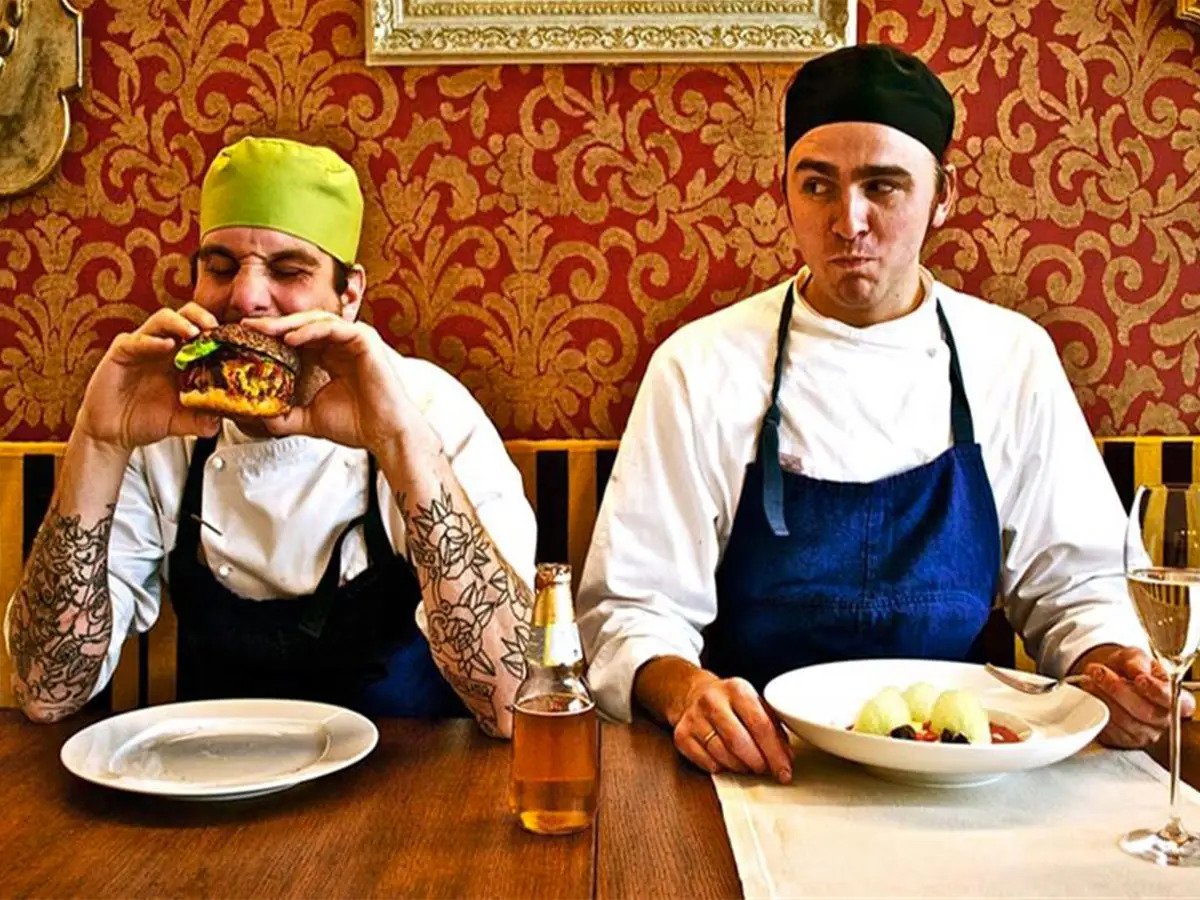
Dining alone at a restaurant can be a unique opportunity to engage with the surroundings and appreciate the ambiance. Careful observation and strategic use of the restaurant’s features can contribute significantly to a more enjoyable and fulfilling experience. Understanding how to effectively utilize the environment can transform a solitary meal into a tranquil and engaging event.
Optimizing the Table’s Position
A well-chosen table placement can significantly influence your dining experience. A table near a window offers a chance to observe passersby and the surrounding environment. Conversely, a table situated in a quieter corner allows for a more secluded and focused meal. Consider the potential distractions and noise levels of various locations within the restaurant when selecting your table.
Tables near the entrance or the kitchen often experience more foot traffic and noise, while those tucked away in a corner provide a more serene atmosphere. Strategic table placement is crucial for maximizing your dining experience.
Techniques for a Calming Atmosphere
Restaurants often employ ambient lighting, music, and decor to create a particular atmosphere. Employ these elements to your advantage by seeking out tables with soft lighting and calming background music. These elements can contribute to a sense of relaxation and focus. Soft, ambient lighting, combined with a subtle musical backdrop, can foster a sense of calm and serenity.
Observing the restaurant’s décor, such as the colors, textures, and artwork, can be an enjoyable pastime in itself.
Engaging with the Surroundings
Observing the restaurant’s scene offers a unique form of entertainment without demanding interaction. Notice the variety of people dining alone or in groups. The range of conversations, the diverse styles of dress, and the different types of food being consumed all contribute to a rich and engaging tableau. Observe the interactions between diners, focusing on the unspoken communication that often accompanies social gatherings.
These subtle observations offer a fascinating insight into human behavior and social dynamics. This approach can be a fascinating way to understand the restaurant as a microcosm of social life.
- Focus on Details: Take note of the textures of the tablecloths, the patterns in the wallpaper, or the style of the tableware. These details can engage your senses and provide a sense of calm and engagement.
- Observe Human Interactions: Without being intrusive, pay attention to how people interact, their body language, and their conversations. This can be a fascinating study of social dynamics and human behavior, particularly in a social setting like a restaurant.
- Appreciating the Ambiance: Notice the lighting, music, and décor of the restaurant. A well-designed space can have a calming effect. Pay attention to how these elements combine to create the restaurant’s unique atmosphere.
- Observe the Dining Styles: Observe the different ways people dine – solo, with friends, or with families. Note the conversations, the body language, and the expressions of the diners around you. Such observations can be a subtle way to appreciate the various social dynamics at play.
- Notice the Food: Observe the preparation and presentation of the dishes being served around you. Pay attention to the culinary artistry on display and the variety of choices available. This observation can stimulate the appetite without feeling obligated to engage in conversation.
Building a Routine
Establishing a consistent routine can significantly enhance the solo dining experience, transforming it from a solitary act into a mindful and enjoyable practice. A structured approach fosters relaxation and allows you to fully appreciate the meal and the environment. This predictability can also reduce anxiety and make the entire experience more pleasant.A thoughtful routine, like any well-planned activity, allows you to savour the moment, focusing on the sensory experience of eating.
This approach also creates a sense of calm and control, which is particularly valuable when dining alone.
Simple Rituals for Solo Dining
A well-defined routine provides structure and predictability, making the experience more enjoyable and less daunting. Incorporating these simple rituals can enhance the sensory experience and create a more relaxed atmosphere.
- Pre-Meal Preparation: Dedicate a few minutes before your meal to set the stage for a relaxing atmosphere. This might involve lighting a candle, putting on some calming music, or taking a few deep breaths to center yourself. These actions cultivate a positive mental state, promoting a more pleasant dining experience.
- Mindful Table Setting: Take time to arrange your table, paying attention to the details. A well-placed napkin, a favourite mug, or a small plant can transform a simple dining experience into a more intentional one. This deliberate action encourages a sense of mindfulness and presence.
- Slow and Savor: Instead of rushing through your meal, take your time with each bite. Notice the textures, tastes, and aromas. Engage your senses fully and appreciate the process of eating. This approach creates a more mindful and intentional experience.
- Post-Meal Reflection: After finishing your meal, take a few moments to reflect on the experience. Consider what you enjoyed, what you might try next time, and how the meal made you feel. This simple act of reflection enhances appreciation and makes the experience more memorable.
- Gratitude Journaling: Keeping a small notebook or using a digital journal can help you reflect on the positive aspects of your meal, the restaurant, and the entire experience. This practice of gratitude can enhance your overall experience.
Creating a Relaxing Atmosphere
A relaxing atmosphere is crucial for enjoying a solo dining experience. Creating a calm and welcoming space sets the stage for a positive and mindful meal.
- Ambient Lighting: Dim the lights and use soft, warm lighting to create a cozy atmosphere. Avoid harsh or bright lights that can be distracting.
- Calming Music: Soft instrumental music or nature sounds can help to create a tranquil atmosphere. Select music that is not overly stimulating or distracting.
- Mindfulness Exercises: Incorporate mindfulness exercises, such as deep breathing or meditation, before or during your meal. These practices help to calm the mind and enhance your focus on the present moment.
- Comfortable Seating: Choose a comfortable and supportive seat. This allows you to relax and enjoy your meal without discomfort.
- Pleasant Scents: Subtle and pleasant scents, like a candle with a calming aroma, can enhance the overall atmosphere. Avoid overpowering or strong scents.
Making the Experience More Enjoyable
Structure and routine can make a solo dining experience more enjoyable. These suggestions will enhance your dining experience and make it more pleasant.
- Pre-Planned Menu: Having a general idea of what you want to eat beforehand can reduce decision fatigue and make the ordering process smoother.
- Designated Reading Material: Bring a book or magazine to engage in during downtime. This helps avoid the feeling of awkwardness or loneliness.
- Specific Restaurant Choice: Select a restaurant with a comfortable and inviting atmosphere to enhance the experience.
- Scheduled Time Blocks: Set aside specific time slots for eating and other activities, which can create a sense of routine and structure.
- Designated Time for Social Media: If desired, set a specific time block to check social media or answer emails. This allows for social interaction without feeling obligated to constantly check notifications.
Dealing with Potential Uncomfortable Situations
Dining alone can present unforeseen social interactions. Navigating these situations with grace and composure is crucial to ensuring a positive and enjoyable experience. Understanding potential scenarios and having strategies in place can greatly contribute to a stress-free solo meal.
Potential Uncomfortable Situations and Responses
Anticipating potential social interactions can help you respond effectively. The following table illustrates possible scenarios and suggests appropriate responses.
| Scenario | Suggested Response | Strategy |
|---|---|---|
| A nearby diner stares intensely. | Maintain eye contact briefly, then subtly shift focus to your food or menu. | Focus on your meal; a brief, neutral interaction is often best. |
| A group at the next table loudly discusses a topic that makes you uncomfortable. | Turn your attention to your food or engage in a silent activity, such as reading a book or looking at your phone. | Disengage from the situation without making it obvious or confrontational. |
| Someone accidentally bumps into your table. | Smile politely and say, “Excuse me.” or “I’m sorry.” | A simple apology can defuse the situation quickly. |
| A waiter or hostess misunderstands your order. | Clarify the order calmly and politely. | Remain patient and professional; a clear and polite approach is most effective. |
| A table near you is arguing loudly. | Turn your attention to your food, and use your phone, book, or other distraction if appropriate. | Disengage from the situation as discreetly as possible. |
Handling Unexpected Social Interactions
Addressing social interactions that arise during solo dining requires tact and discretion. Here are three approaches to consider:
- Maintaining a neutral demeanor. A calm and collected attitude is often the most effective response. Avoid reacting emotionally or defensively. This will prevent the interaction from escalating and allow you to maintain your composure.
- Discreetly disengaging. If the interaction becomes uncomfortable, subtly shift your focus or engage in an activity that allows you to detach from the situation. This might involve looking at your phone, or gently redirecting your attention to something else on the table. The goal is to subtly and respectfully withdraw from the situation without causing further discomfort.
- Using polite, yet firm, communication. If the situation demands it, a clear and concise response can be effective. For example, if a nearby diner is being overly loud, you might say, “Excuse me, could you please keep the volume down?” in a calm and polite tone. This demonstrates assertiveness without aggression.
Strategies for Maintaining Composure
Maintaining a calm and collected demeanor during uncomfortable situations is key to enjoying your meal. Here are five strategies to consider:
- Mindfulness and self-awareness. Acknowledge your emotions and thoughts without judgment. Focus on the present moment, rather than letting the situation overwhelm you.
- Deep breathing exercises. Practicing deep breathing can help to regulate your emotions and promote calmness. In moments of discomfort, take a few deep breaths to center yourself.
- Positive self-talk. Use positive affirmations to remind yourself of your ability to handle the situation. For example, you might tell yourself, “I can handle this.” or “I am capable of navigating this.”
- Focusing on your meal. Concentrate on the food, drink, or any other activity that allows you to redirect your attention. This can help you to detach from the discomfort.
- Remembering your intention. Remind yourself of the reason you chose to dine alone. This can provide you with the motivation to stay focused and composed, and enjoy the experience.
Exploring Different Types of Restaurants
Dining solo can be a delightful experience, especially when you thoughtfully choose the right restaurant environment. Selecting a venue that aligns with your comfort level and desired experience is key to savoring your meal without stress or awkwardness. This section delves into the nuances of choosing between casual and fine dining establishments for a solo meal.Different restaurant types offer varying levels of atmosphere and service, which significantly influence the experience of eating alone.
Understanding these distinctions empowers you to select a restaurant that complements your preferences and promotes a relaxed and enjoyable solo dining experience.
Comparing Casual and Fine Dining for Solo Diners
Casual dining restaurants often provide a more relaxed and approachable atmosphere. They are generally less formal and more suited to solo diners seeking a comfortable and unhurried meal. The ambiance is typically less structured, with a focus on comfort and conviviality. The service style is usually more attentive to individual needs. Fine dining establishments, on the other hand, frequently offer a more refined and sophisticated atmosphere.
While they can be enjoyable, the formal setting may not always be the most conducive to a relaxed solo meal. The service might be more focused on table management, potentially making a solo diner feel slightly out of place. Understanding these differences is crucial for selecting a restaurant type that complements your desired experience.
Strategies for Choosing a Restaurant Type
Selecting a restaurant that matches your preferences requires careful consideration. Here are three strategies for choosing the right type of restaurant for your solo dining experience:
- Consider Your Comfort Level: If you prefer a less formal setting and appreciate a more relaxed environment, casual dining is a great choice. A casual restaurant allows you to focus on your meal without feeling overly self-conscious. If you prefer a more refined atmosphere, consider fine dining but be prepared to adapt to the setting. For instance, a casual eatery might allow you to linger over your meal, while a fine dining establishment might encourage a quicker pace.
- Evaluate Your Desired Experience: Consider whether you want a place to enjoy a meal in a quiet, contemplative setting or a bustling environment that’s lively and engaging. If you prefer a more structured environment, fine dining could be a good fit. However, if you prefer a more casual and relaxed environment, a casual eatery would likely be better.
- Assess the Restaurant’s Ambiance: Look for restaurants that offer a welcoming atmosphere. Check reviews and photos to determine the general ambiance of the establishment. If the restaurant is known for its lively atmosphere, it might be less suitable for a solo diner who prefers a more quiet and intimate experience. Conversely, if the restaurant is known for its quiet and intimate atmosphere, it might be a better choice for a solo diner.
Impact of Restaurant Type on Comfort Level
The type of restaurant can significantly impact your comfort level during a solo meal. A casual dining experience often fosters a sense of ease and relaxation, allowing you to enjoy your meal without feeling pressured. In contrast, a fine dining environment, while potentially elegant, can sometimes feel slightly intimidating for a solo diner, particularly if the atmosphere is overly formal.
This difference in atmosphere directly impacts your overall comfort and enjoyment.
Visualizing the Experience
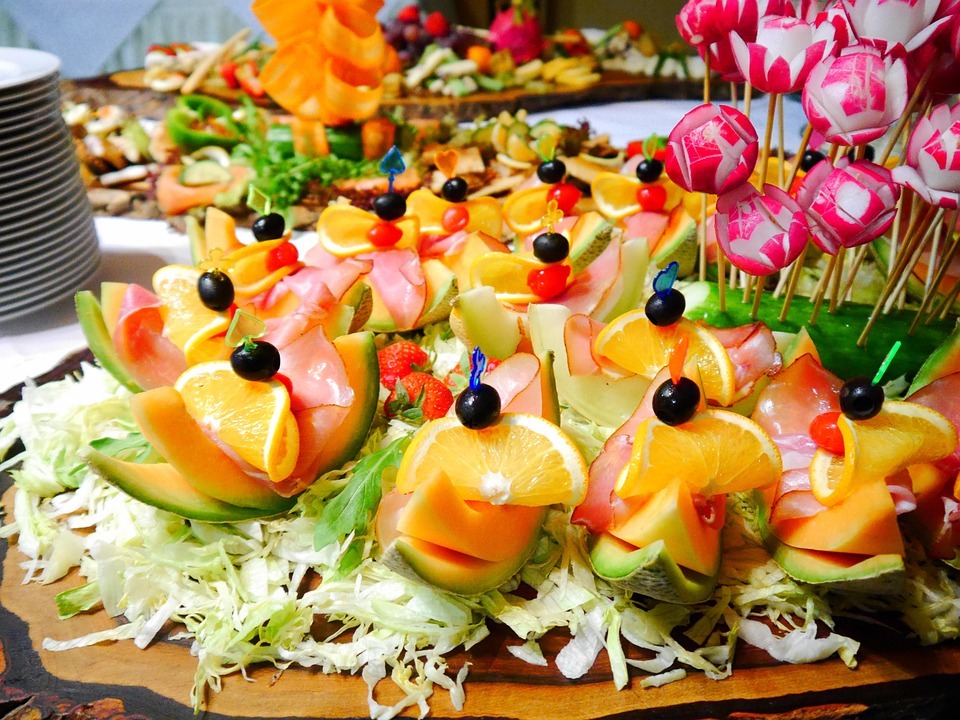
A crucial aspect of enjoying solo dining is the ability to mentally prepare and visualize a positive experience. This involves cultivating a mindset that anticipates and embraces the joy and relaxation that comes with dining alone. By creating vivid mental images of the experience, individuals can enhance their enjoyment and reduce any potential anxieties.This process involves transforming abstract ideas into concrete sensory experiences.
Through vivid imagery, individuals can fully immerse themselves in the meal and the environment, fostering a deeper connection with the present moment and promoting a sense of well-being. The more detailed and positive the visualization, the more likely it is to translate into a fulfilling and enjoyable experience.
A Perfect Solo Dining Experience
A perfect solo dining experience is one that is deeply satisfying on multiple sensory levels. Imagine a warm, inviting restaurant with soft lighting and soothing background music. The aroma of freshly baked bread and simmering sauces fills the air, creating a sense of comfort and anticipation. The soft clinking of silverware and the gentle murmur of conversations from nearby tables add to the ambiance, creating a comforting and engaging atmosphere.
The chosen meal, visually appealing and fragrant, evokes a sense of pleasure and satisfaction. The act of savoring each bite, reflecting on the present moment, and appreciating the flavors is accompanied by a feeling of contentment and self-care. A feeling of peace and relaxation pervades the entire experience, leaving a lingering sense of well-being.
Scenarios for a Happy and Relaxed Meal
One scenario depicts a person seated at a window table in a cozy Italian restaurant. Sunlight streams in, highlighting the vibrant colors of the dishes and the warm tones of the interior. The gentle clinking of glasses and the aroma of garlic and herbs fill the air. The individual, engrossed in their meal, smiles as they savor each bite.
A book is placed neatly beside the plate, but they’re not reading it. Instead, the focus is on the present moment and the enjoyment of the meal. A sense of peace and contentment emanates from them. The person feels relaxed and in control of their experience.
Unique Visualization Ideas
- Sensory Symphony: Visualize each element of the meal in a vivid sensory experience. Imagine the texture of the food, the aroma of the dish, the sound of cutlery, the warmth of the atmosphere. Link these sensations with positive emotions, such as gratitude and contentment.
- Mindful Moments: Picture yourself engaging in mindful eating practices. Visualize yourself savoring each bite, appreciating the flavors, textures, and aromas. Focus on the present moment, letting go of distractions and anxieties. This allows you to fully embrace the experience and enjoy it deeply.
- Personalized Ambiance: Visualize the restaurant’s environment in a way that reflects your personal preferences. Imagine a calm and serene setting, a lively and engaging atmosphere, or a sophisticated and refined ambiance. Create a space that evokes feelings of comfort and joy.
- Emotional Connection: Imagine the experience of sharing your meal with a beloved friend or family member, even if it’s just a mental image. Visualize the warmth, love, and joy associated with that connection. This will create a positive emotional association with the experience, regardless of whether you are dining with someone.
- Positive Affirmations: Visualize yourself experiencing the meal while repeating positive affirmations. These affirmations could be about self-love, gratitude, or self-care. This technique can help to reinforce a positive mindset and enhance the experience’s emotional impact.
Final Wrap-Up

In conclusion, enjoying a meal alone at a restaurant is achievable with careful planning and a positive mindset. By considering atmosphere, food choices, and strategies for minimizing distractions, you can transform a solitary experience into a delightful and memorable one. This guide provides a roadmap for creating a comfortable, engaging, and enjoyable solo dining experience, from casual eateries to fine-dining establishments.