Embark on a solo adventure through the world of art! Discovering museums and galleries alone can be a profoundly rewarding experience. This guide provides practical steps and insightful strategies to maximize your enjoyment, from meticulous planning to post-visit reflection. Whether you’re an art aficionado or a curious newcomer, this comprehensive approach will equip you to appreciate the beauty and richness of artistic expression in a unique way.
This guide will cover everything from choosing the perfect museum to navigating crowded spaces, engaging with art independently, and ultimately creating a memorable and meaningful experience. Learn how to transform a solitary visit into a personal journey of artistic discovery.
Introduction to Solo Museum Visits
Unveiling the world of art, history, and culture often sparks the imagination. However, the prospect of navigating a museum, surrounded by throngs of people, can sometimes feel daunting. This exploration delves into the rewarding experience of a solo museum visit, highlighting its unique benefits and providing a roadmap for a truly enriching encounter. A solo museum visit offers a profound opportunity to connect with the art on a personal level, without the distractions of others.Enjoying a museum or art gallery alone involves actively engaging with the exhibits without external pressures.
This involves taking your time to contemplate the pieces, understanding their context, and allowing your imagination to interpret the artistic vision. The absence of companions fosters a deep, personal connection to the art, fostering a deeper understanding and appreciation for the individual pieces.
Benefits of Solo Art Appreciation
The benefits of solitary art appreciation are multifaceted and extend beyond simply avoiding crowds. Solo visits often lead to a more focused and profound experience. Without the need to accommodate others’ pace or preferences, you can tailor your journey to your own interests. This freedom to explore at your own speed allows for deeper engagement with the art and a more meaningful understanding.
Crafting Your Solo Museum Visit
A successful solo museum visit requires careful planning, which can enhance the experience significantly. First, research the museum’s collection to discover exhibits that align with your interests. Knowing what you’re looking for in advance can make the visit more engaging. This pre-visit research allows you to tailor your journey to focus on specific artworks, historical periods, or artistic styles.
Secondly, allocate sufficient time. Don’t try to cram too much into a single visit. Allow yourself ample time to wander, contemplate, and absorb the atmosphere. This pacing allows you to fully appreciate the museum’s offerings and avoid feeling rushed.
Strategies for Maximizing Your Experience
Several strategies can elevate your solo museum visit. Plan your route thoughtfully, considering the flow of exhibits. This strategic planning can save you time and ensure you don’t miss key pieces. Engage with the art actively. Ask yourself questions about the artwork: what message is the artist trying to convey?
What materials were used? What feelings do you experience when observing the piece? Engage with the accompanying information about the artists, the context of the artwork, or historical background. By actively seeking answers to these questions, you can enhance your understanding and appreciation. Finally, consider incorporating a quiet space or café break to process your thoughts and reflections.
This contemplative pause allows for deeper engagement with the art and provides a break from the visual stimulation.
Tips for Navigating Crowds
When visiting a museum with anticipated crowds, consider visiting during off-peak hours, such as early mornings or late afternoons. These times often offer a more tranquil experience. Utilize the museum’s map and plan your route to avoid potential bottlenecks. Consider the museum’s layout and the flow of exhibits to strategize your path. Utilizing these tactics can significantly enhance your experience, allowing for a more focused and enjoyable encounter with the exhibits.
Planning Your Solo Visit
Choosing a museum or gallery for a solo visit is a personalized experience. It’s crucial to select a space that aligns with your interests and preferences to maximize enjoyment. This involves careful consideration of the collection, atmosphere, and potential crowd levels. Proper preparation and strategic timing can significantly enhance your solo museum experience.Planning a solo visit to a museum or gallery requires thoughtful preparation.
A well-structured approach ensures a productive and enriching experience. This involves more than just showing up; it involves actively engaging with the art and architecture to fully appreciate the environment.
Selecting a Museum or Gallery Based on Interests
Understanding your personal interests in art, history, or specific themes is essential for a fulfilling visit. Researching different museums and galleries based on their collections can significantly enhance your enjoyment. Consider whether you prefer contemporary art, historical artifacts, or a specific artistic movement. Do thorough online research on the museums or galleries that align with your interests, examining their exhibits and special collections.
This preliminary research helps ensure the visit aligns with your personal preferences.
Preparing for a Solo Museum Visit: A Checklist
Careful planning is key to a smooth and enjoyable solo museum visit. A well-prepared visit allows for a more focused and rewarding experience. A checklist helps in organizing your preparation.
- Research the museum’s collection and special exhibitions to identify areas of interest.
- Consider the museum’s accessibility features, such as elevators or ramps, to ensure a comfortable visit.
- Check the museum’s hours of operation and any special events or closures that might impact your visit.
- If possible, download a map of the museum to navigate efficiently.
- Prepare comfortable shoes to accommodate the walking involved.
- Bring a reusable water bottle and snacks for hydration and energy throughout your visit.
- Consider purchasing a museum pass or tickets in advance, especially during peak season, to avoid long queues.
- Plan for potential travel time to and from the museum, factoring in traffic and parking availability.
Choosing a Time to Minimize Crowds
Selecting the optimal time for your visit significantly impacts your experience. Visiting during off-peak hours or on weekdays often leads to a more peaceful and focused environment. Consider visiting during the museum’s opening hours or during periods when fewer visitors are expected. Avoid peak times like weekends or holidays for a more tranquil and immersive experience. Visiting early in the morning or late in the afternoon can be excellent options.
Comparing Museum Atmospheres
Different museums and galleries have varying atmospheres. This comparison table highlights the potential differences in ambiance.
| Museum/Gallery | Atmosphere | Typical Visitor Profile | Ideal Visit Time |
|---|---|---|---|
| Museum of Modern Art (MoMA) | Busiest, high-energy | Art enthusiasts, students, and tourists | Weekdays, early mornings, or late afternoons |
| Smithsonian National Air and Space Museum | Family-friendly, interactive | Families, history buffs, and children | Weekdays, early mornings, or late afternoons |
| Small, independent gallery | Quiet, intimate | Art collectors, serious art enthusiasts | Weekdays, anytime |
Navigating the Museum Independently
Embarking on a solo museum visit can be a rewarding experience. Knowing how to navigate the space effectively can enhance your enjoyment and prevent feelings of being overwhelmed. This section provides strategies for efficient exploration, quick interest identification, and managing the potential for disorientation within a large museum.
Efficient Exploration Techniques
Understanding the museum’s layout and flow is key to an efficient visit. Plan your route strategically, focusing on specific sections or exhibits that interest you most. Don’t feel obligated to see everything. Prioritize the exhibits that resonate most with your interests, allowing you to delve deeper into areas that capture your attention. By focusing on specific areas, you’ll discover hidden gems and avoid feeling overwhelmed by the sheer volume of art and artifacts.
Identifying Areas of Interest Quickly
Many museums offer detailed maps and online resources that highlight specific collections and exhibits. These tools can be invaluable for quickly pinpointing areas of interest. Carefully study the museum’s map or online exhibit guide before entering to identify galleries or sections that align with your interests. You can also look for thematic groupings of artworks or artifacts to further focus your exploration.
Using these tools allows for targeted exploration, maximizing your time and engagement.
Managing Overwhelm in Large Spaces
Museums, especially large ones, can feel overwhelming. A practical approach to navigating large spaces is to break down the museum into smaller, manageable sections. Focus on one wing or gallery at a time, allowing ample time to appreciate the exhibits without feeling rushed. If you feel overwhelmed, take a break and step outside for fresh air or simply pause in a less crowded area.
Taking breaks is crucial to prevent mental fatigue and enhance your overall experience.
Using Museum Maps and Apps Effectively
Modern museums often provide interactive maps or apps that offer detailed floor plans, exhibit locations, and even audio descriptions. These tools can be used to create a personalized itinerary that matches your interests. Consult the map or app to identify the most efficient route to navigate the galleries. This helps you avoid getting lost and maximizes your time within the museum.
Utilizing these tools transforms a potential maze into a well-structured journey.
Hypothetical Museum Flow Chart
This flow chart demonstrates a path through a hypothetical art museum, prioritizing specific collections. It emphasizes using the museum’s map and focusing on particular areas.
| Step | Action | Location |
|---|---|---|
| 1 | Arrive at the museum, consult the map. | Entrance |
| 2 | Navigate to the Impressionist wing. | Impressionist Wing |
| 3 | Explore paintings from the late 1800s. | Impressionist Wing – Late 1800s Gallery |
| 4 | Take a short break. | Museum Cafeteria |
| 5 | Proceed to the Modern Sculpture section. | Modern Sculpture Gallery |
| 6 | Observe the different styles of sculptures. | Modern Sculpture Gallery |
| 7 | Exit the museum. | Exit |
Engaging with Art Alone
Discovering art’s depths on your own allows for a unique and profound experience. The absence of others’ opinions or interpretations creates a space for personal reflection and connection. This freedom to explore your own responses to a piece empowers you to truly understand the artist’s message and your own reaction to it.Independent interpretation and focused engagement are crucial elements of a rewarding solo museum visit.
Finding ways to connect with art on a personal level, rather than merely observing, is key to making the experience truly memorable. This involves cultivating your own perspective and using techniques to deepen your understanding of the artwork.
Interpreting Artwork Independently
Understanding artwork independently involves more than simply observing its visual elements. It requires active engagement with the piece, considering its historical context, the artist’s intentions, and your own personal responses. A strong foundation in art history can be helpful, but your individual perspective is just as important. You can research the artist beforehand to gain background knowledge, or even simply ponder the feelings the piece evokes.
Focusing on Individual Pieces
To fully appreciate a piece, minimizing distractions is vital. Find a quiet space within the museum where you can concentrate on the artwork without the interruptions of others. Try to avoid multi-tasking by putting your phone away and focusing your attention solely on the art. Close your eyes and reflect on the emotions and ideas the piece inspires.
Taking your time, perhaps even returning to the same piece several times throughout your visit, will allow a deeper understanding. Even simple actions like noting the colors, textures, and composition can contribute to your personal interpretation.
Connecting with Art Emotionally
Connecting with art on an emotional level is a key part of appreciating it. Ask yourself questions like: What feelings does this piece evoke? What memories does it trigger? What stories does it tell? Allow yourself to be vulnerable and honest in your responses.
By acknowledging the emotions the art evokes, you can gain a more profound understanding of both the art itself and your own inner world. Art can trigger memories, thoughts, and emotions that you might not have been consciously aware of.
Techniques for Engaging with Art
Different techniques can enhance your experience. Observation, the act of carefully studying the artwork’s visual elements, is a fundamental approach. Reflection, the process of considering the artwork’s meaning and significance, is crucial for deeper engagement. You can also try to imagine the artist’s process or the context in which the artwork was created.
Comparing and Contrasting Interaction Methods
Observation is about the visual elements of the artwork—colors, lines, forms, and textures. Reflection goes deeper, examining the underlying meaning, historical context, and emotional impact. By comparing these methods, you gain a more comprehensive understanding of the piece. Observation can lead to reflection, and reflection can enhance your observation.
Engaging with Different Art Forms
Different art forms offer unique opportunities for solo engagement. For example, paintings may encourage contemplation of color and composition, while sculptures invite a more tactile experience, allowing you to physically interact with the form. Visiting a museum dedicated to a particular form of art, such as photography or prints, will allow for a focused exploration and analysis. Consider how different mediums lend themselves to distinct methods of engagement.
In each art form, focus on the unique characteristics of the medium and the artist’s approach to expressing their ideas. This can lead to a deeper appreciation for the artist’s intentions and the impact of their work.
Making the Most of the Experience
A solo museum visit offers a unique opportunity for deeper engagement with the art. By actively participating and personalizing the experience, visitors can transform a passive observation into a meaningful and enriching journey. This section will explore techniques to maximize the value of the visit, from creating personal connections with the art to capturing cherished memories.Personalizing the museum experience allows for a more meaningful and enriching interaction with the artwork.
By tailoring the visit to individual preferences and interests, visitors can cultivate a deeper appreciation for the art and the museum as a whole.
Personalizing the Experience
Tailoring the museum visit to individual preferences and interests fosters a deeper appreciation for the art and the museum. This personalization can involve various strategies, from taking detailed notes to creating a personal journal.
- Taking Notes and Creating a Journal: Detailed notes, observations, and reflections can significantly enhance the experience. Recording personal impressions, thoughts, and interpretations alongside visual details can transform a fleeting encounter into a more profound and memorable experience. This can be done using a dedicated notebook or a digital document, with sketches, photos, or even audio recordings capturing the atmosphere. The journal serves as a personal record, facilitating future reflections and highlighting personal growth in understanding and appreciation of the art.
- Finding Quiet Spaces for Reflection: Many museums offer quiet zones or alcoves, ideal for reflection. Taking advantage of these spaces can allow for a deeper contemplation of the artwork and the artist’s intent. Visitors should seek out these secluded spots, and if not available, find a corner or area where they can be undisturbed. This time allows for introspection and personal connection with the pieces.
- Incorporating Personal Preferences: The visit can be shaped by personal preferences and interests. Visitors can choose artworks aligned with their aesthetic inclinations, focusing on specific mediums or periods. This targeted approach fosters a more engaged and fulfilling experience. For example, if a visitor is interested in Impressionist paintings, they can dedicate more time to that section of the museum.
Likewise, if they are passionate about sculptures, they can focus on those particular displays.
- Capturing Memories: Sketching, photography, or even simply taking detailed notes can help capture the essence of the experience. These visual records can serve as powerful reminders of the visit, fostering a deeper connection with the artwork over time. Photography, with proper consideration of the museum’s policies, can preserve the visual aspects of the artworks. Simple sketches can help capture the essence of a piece and the atmosphere of the museum.
These methods are more than mere documentation; they are tools for personal engagement.
- Creating a Meaningful Personal Connection: Connecting with art on a personal level requires active engagement. Asking questions, reflecting on the emotions evoked, and exploring the artist’s intent can foster a meaningful connection. This involves not just observing the artwork but also trying to understand the context, the message, and the story behind it. For example, visitors can reflect on how the colors, shapes, and composition evoke feelings or emotions.
Understanding the historical context and the artist’s biography can further enrich the connection.
Addressing Potential Challenges
Embarking on a solo museum visit can be a profoundly enriching experience, but it’s essential to acknowledge potential hurdles and develop strategies to overcome them. This section Artikels ways to navigate potential feelings of isolation, discomfort, or challenges related to understanding art or the museum environment itself.Navigating a museum solo requires proactive planning and a flexible mindset. Anticipating potential difficulties empowers you to enjoy the experience fully, transforming potential obstacles into opportunities for personal growth and deeper engagement with the art.
Handling Feelings of Isolation or Loneliness
Addressing feelings of isolation or loneliness is crucial for a positive solo experience. Acknowledging these feelings as a normal part of the human experience is the first step. Engage with the environment around you, and find a balance between being present in the museum and being aware of your surroundings. This approach can make the visit feel less isolating and more enriching.
Overcoming Potential Discomfort or Boredom
Discomfort or boredom can stem from unexpected factors or a lack of engagement. To mitigate boredom, explore diverse exhibits. Don’t be afraid to deviate from your planned route, or spend more time in areas that captivate you. If a particular section feels overwhelming, take a break and return later. Similarly, if a piece of art doesn’t resonate immediately, move on and explore other works.
A willingness to adjust your pace and focus can significantly enhance the experience.
Navigating Unexpected Situations
Unexpected situations, such as encountering technical difficulties or unforeseen delays, are part of the unpredictable nature of any visit. Preparation is key. Familiarize yourself with the museum’s policies regarding refunds or cancellations, if necessary. Have a backup plan in case of unexpected events, such as alternative activities or a pre-booked appointment to return to later. A flexible attitude and a sense of problem-solving can transform an unexpected situation into a learning experience.
Dealing with Crowds or Other Visitors
Museums can get crowded, but this doesn’t have to diminish the experience. Consider visiting during off-peak hours or utilizing the museum’s quieter areas. Plan your route strategically to avoid major crowds. Respect the space of other visitors, maintain a reasonable distance, and allow ample time to appreciate the exhibits without feeling rushed. Patience and a considerate approach can ensure a pleasant experience for everyone.
Dealing with a Lack of Understanding about Art
A lack of understanding about art can be overcome with proactive research and a willingness to engage with the art on your own terms. Utilize the museum’s resources such as brochures, audio guides, or online materials. Don’t hesitate to ask museum staff for clarification or guidance. View each artwork as an opportunity to explore your own interpretation.
Consider what emotions, memories, or ideas the piece evokes. Remember, the experience is as much about your personal connection to the art as it is about the art itself.
Post-Visit Reflection
Following your enriching museum experience, dedicated reflection is crucial for maximizing the benefits. This phase allows you to process your impressions, solidify memories, and potentially inspire future actions. By actively engaging with your visit, you can cultivate a deeper understanding and appreciation for the art and culture encountered.This phase involves actively engaging with your museum visit, not just passively observing.
Processing your experiences after the visit allows you to consolidate memories and insights, strengthening your understanding and fostering a lasting appreciation for the art and culture encountered.
Processing the Experience
Thorough processing of your solo museum visit allows for deeper engagement with the artwork and a more meaningful experience. After leaving, take time to recall specific pieces that resonated with you. Consider the emotions evoked, the narratives implied, and the overall impression of the exhibit. This active engagement helps solidify your memories and allows for more meaningful interpretation.
Sharing Insights
Sharing your experiences with others enhances the overall learning process and provides a platform for discussion and exchange. Writing a brief review or summary of your visit, including personal insights and thoughts, is a powerful method for recording and sharing your experience. You can post it online, share it with friends and family, or simply keep it as a personal record.
These reflections can serve as a valuable record of your experiences.
Remembering and Re-evaluating
Remembering and re-evaluating your museum visit helps to maintain a connection to the experience. Maintaining a journal or a digital document for notes and observations is a useful tool for this purpose. Record your thoughts, feelings, and key takeaways, including the specific artworks that resonated with you and the reasons why. This ongoing reflection allows you to revisit and re-evaluate the experience over time.
Creating a Personal Collection of Artwork Impressions
A personal collection of impressions can help solidify your understanding and enjoyment of the artwork. This collection doesn’t have to be elaborate; simple sketches, written descriptions, or even digital photos can suffice. Focus on elements that resonated with you, such as colour palettes, textures, composition, and emotional impact. This personal collection serves as a valuable tool for future reference and re-evaluation.
Sustaining Inspiration and Feelings
Sustaining the inspiration and feelings evoked by the museum visit is essential for maintaining the enthusiasm generated by the experience. Connecting the artwork to your personal interests or life experiences is one effective approach. Identify themes or concepts that resonate with you and explore them further in books, online resources, or through discussions with others. This will deepen your engagement and understanding, sustaining the inspiration.
Specific Art Forms & Engagement
Exploring art individually offers a unique opportunity for focused appreciation. By understanding the different approaches to various art forms, you can cultivate a deeper engagement with the pieces and develop a personal connection to the artist’s intent. This section will highlight specific engagement methods for various art forms, emphasizing the importance of observing details and creating a personal response to the artwork.A key aspect of solo museum visits is the ability to linger and reflect on individual pieces.
This allows for a deeper understanding of the artist’s message and the historical context surrounding the work. The following sections will detail how to engage with paintings, sculptures, and photographs, emphasizing the specific elements to look for and the different ways to develop a personal connection to the artwork.
Painting
Understanding the techniques used by the artist is crucial for appreciating a painting. Observe brushstrokes, color palettes, and the composition of the elements within the frame. Consider the artist’s style and how it contributes to the overall message of the piece. For example, a painting with bold, impasto brushstrokes might convey a sense of energy and emotion, while a painting with precise detail and muted colors could evoke a sense of tranquility or introspection.
Sculpture
Sculptures invite a different kind of engagement. Walk around the piece, observing it from various angles. Consider the material used, the form, and the overall presence of the sculpture in the space. For instance, a towering bronze sculpture might evoke a sense of grandeur, while a delicate ceramic piece might inspire contemplation. Notice the interplay of light and shadow on the surface of the sculpture, as these elements can significantly affect the viewer’s experience.
Pay attention to the lines and shapes that define the sculpture, and how these elements interact to create the overall form.
Photography
Photography presents a unique challenge for personal engagement. The ability to capture a moment, and the artist’s interpretation of that moment, is a significant factor in appreciating the work. Notice the composition, the lighting, and the subject matter. Consider the emotional impact of the image. For example, a photo capturing a fleeting moment in time might evoke a sense of nostalgia, while a photo with strong contrasts might evoke a sense of drama.
Look at the details in the image and how they contribute to the overall message or narrative.
Comparing and Contrasting Engagement Methods
The approaches to engaging with different art forms vary significantly. Painting demands an understanding of brushstrokes and color palettes, sculpture requires spatial awareness and appreciation for form, and photography calls for an awareness of composition and lighting. Despite these differences, each form allows for a unique exploration of artistic intent, historical context, and emotional resonance. Ultimately, the key to appreciating any artwork lies in the individual’s ability to connect with the piece on a personal level.
Emotional Connection
Creating an emotional connection with a piece of art is a deeply personal process. It’s not about finding a pre-determined “correct” emotion. Instead, reflect on how the artwork makes you feel. Does it evoke feelings of joy, sadness, curiosity, or perhaps a sense of wonder? Allow yourself to experience the artwork without judgment.
The process of actively seeking a personal connection is often as significant as the connection itself. Reflect on the feelings triggered by the artwork, and note the specific elements that contribute to this reaction.
Choosing the Right Museum
Selecting a museum for a solo visit is a personal journey, requiring careful consideration of your interests and preferences. The right museum can significantly enhance your experience, allowing you to fully immerse yourself in the art and culture presented. Understanding the various types of museums and their collections is key to finding the perfect match.
Museums Known for Specific Art Movements or Styles
Museums often specialize in particular art movements, styles, or periods. This focus allows for a more concentrated and rewarding experience. Here are some well-regarded examples:
- The Metropolitan Museum of Art (New York): A comprehensive collection spanning various art forms and periods, including a significant collection of European paintings and sculptures.
- The Louvre (Paris): Renowned for its extensive holdings of European paintings, sculptures, and artifacts from antiquity.
- The Museum of Modern Art (MoMA) (New York): A cornerstone of modern and contemporary art, showcasing a vast array of styles, from Impressionism to Abstract Expressionism and beyond.
- The Van Gogh Museum (Amsterdam): Dedicated to the works of Vincent van Gogh and Post-Impressionist art.
- The National Gallery (London): A significant collection of European paintings from the 13th to 19th centuries.
Factors to Consider When Selecting a Museum for Solo Visits
Several factors influence the selection of a museum for a solo experience. Accessibility, atmosphere, and your personal preferences all play a role.
- Accessibility: Consider the museum’s location, parking availability, and public transportation options. A museum that’s easily accessible and convenient will enhance the overall visit.
- Atmosphere: Some museums have a more lively and engaging atmosphere, while others are more tranquil. Evaluate the museum’s ambiance and decide if it aligns with your desired experience.
- Size: The size of the museum can significantly impact the experience. A smaller museum might be more manageable for a solo visitor, allowing for a more intimate exploration. A larger museum could be overwhelming, but the scale could also offer a wider range of experiences.
- Crowds: Consider the typical attendance and opening hours of the museum. Visiting during off-peak hours can reduce crowds and allow for a more focused experience.
Choosing a Museum Based on Art Preference
Matching the museum’s collection with your art preference is essential. This ensures you are encountering art that resonates with you.
- Specific Art Movements: If you’re interested in Impressionism, research museums specializing in that period. The Musée d’Orsay in Paris, for example, houses a vast collection of Impressionist and Post-Impressionist paintings.
- Specific Artists: If you admire the works of a particular artist, look for museums with substantial collections of their art. The Van Gogh Museum is an excellent example for Van Gogh enthusiasts.
- Art Forms: If you’re drawn to sculpture, graphic design, or photography, choose museums that highlight these specific art forms. This will enable you to focus on what truly interests you.
Different Types of Museums and How to Engage Them Solo
Museums come in various forms, each offering unique opportunities for solo exploration.
- Art Museums: These focus on visual arts, providing ample opportunities for contemplation and reflection. Plan your route, focusing on specific works that resonate with you. Allow time for pauses and reflections.
- History Museums: Immerse yourself in narratives of the past. Engage with exhibits through interactive elements, such as touchscreens and audio guides, to enrich your understanding.
- Science Museums: Explore scientific discoveries and principles through interactive exhibits. Engage with the hands-on aspects of the museum and delve deeper into specific displays.
Best Museums for a Unique Solo Experience
Certain museums offer a distinct atmosphere or experience for solo visitors.
- Museums with Dedicated Quiet Spaces: Consider museums with dedicated reading rooms or quiet spaces. These areas can provide a respite from the general museum environment.
- Museums with Special Exhibitions: These temporary exhibitions often have a curated theme, offering a unique opportunity to explore a specific topic.
- Museums with Interactive Elements: Museums incorporating interactive displays provide a more dynamic and engaging experience for solo visitors.
Resources & Further Learning
Delving deeper into the world of art can significantly enhance your solo museum experience. This section explores various avenues for expanding your knowledge and appreciation, enabling you to engage more meaningfully with the art you encounter. Learning about the artists, historical context, and artistic movements behind the pieces can transform a simple visit into a profound exploration.Exploring resources beyond the museum walls enriches your understanding and appreciation of the art.
This involves utilizing diverse mediums, from online articles to in-person workshops, to cultivate a personal connection with the art form.
Online Resources for Art Appreciation
Various online platforms offer invaluable resources for art enthusiasts. Websites dedicated to specific artists, movements, or historical periods provide detailed information and context. These platforms allow for a deep dive into the intricacies of a particular artwork or artist’s life. Moreover, online encyclopedias and art databases are excellent tools for broadening your knowledge.
- Artnet News: This website offers insightful articles on contemporary art, market trends, and exhibitions. It’s a valuable resource for staying updated on the art world.
- The Metropolitan Museum of Art’s Heilbrunn Timeline of Art History: This comprehensive online resource provides a chronological overview of art history, from ancient times to the present. The wealth of information is easily digestible and suitable for self-directed study.
- Khan Academy: Khan Academy offers free, high-quality online courses on various art forms and historical periods. The interactive lessons and videos are an excellent way to delve deeper into specific topics.
Podcasts and Videos on Museum Experiences
Podcasts and videos can offer unique perspectives on museum visits. These resources often feature interviews with artists, curators, or museum professionals, providing valuable insights into the creation and display of art.
- “Artful Thinking”: This podcast frequently explores museum exhibitions and the stories behind the art. It often delves into the personal experiences of artists and the historical context of the art.
- YouTube Channels dedicated to museum tours and art analysis: Numerous channels provide engaging video tours of museums worldwide, highlighting specific pieces and offering insightful commentary on the artworks and their context.
Social Media for Art Enthusiasts
Social media platforms can be valuable tools for connecting with other art enthusiasts. Sharing your experiences, asking questions, and engaging in discussions can enrich your understanding and broaden your perspective.
- Instagram: Follow art museums, artists, and art influencers for daily doses of inspiration. Use relevant hashtags to discover discussions and share your own experiences.
- Facebook groups dedicated to art appreciation: These groups allow you to connect with like-minded individuals and discuss various aspects of art. You can ask questions, share your thoughts, and receive feedback.
Personal Learning Methods
Beyond digital resources, various methods allow for personal growth in art appreciation. These approaches cater to diverse learning styles and preferences.
- Creating a personal art journal: This allows for recording observations, thoughts, and feelings about the art you see. It’s a personalized way to reflect on your experiences and connect with the art on a deeper level.
- Visiting art galleries or museums outside of your usual routine: Exploring different types of art and exhibitions outside of your comfort zone can broaden your perspective and challenge your assumptions about art. This approach fosters personal growth and a deeper appreciation for the diverse art forms.
- Attending workshops or lectures: These hands-on learning experiences can provide valuable insights and tools for analyzing and appreciating art. They offer a more structured approach to learning, often with expert guidance.
Illustrative Examples of Solo Art Experiences
Embarking on a solo museum visit can be a profoundly enriching experience. The quiet contemplation and focused engagement with art can lead to a deeper understanding and appreciation of the pieces. These examples aim to showcase the diverse and rewarding nature of these personal journeys.
A Compelling Example of a Successful Solo Museum Visit
A recent visit to the National Gallery of Art in Washington, D.C., exemplified a successful solo museum experience. The visitor, an art enthusiast with a particular interest in Impressionist paintings, spent several hours immersed in the collection. They meticulously examined the brushstrokes, colors, and composition of various works, finding connections between different artists’ styles. They took detailed notes and even sketched elements of certain pieces, allowing them to engage with the art on a personal and thoughtful level.
This visit not only deepened their understanding of Impressionism but also fostered a stronger appreciation for the artistry of the period.
A Fictional Example of an Individual’s Museum Experience
Imagine Amelia, a young graphic designer, visiting the Museum of Modern Art (MoMA) in New York City. Drawn to the abstract expressionist paintings, Amelia felt a sense of connection with the artists’ use of color and form. She spent significant time studying the gestural brushstrokes of Jackson Pollock, feeling inspired by the raw energy and spontaneity of his work.
She also appreciated the clean lines and geometric shapes of Mondrian’s paintings, finding a balance between structure and freedom in his compositions. The quiet atmosphere allowed her to reflect on her own creative process, discovering new perspectives and techniques.
A Case Study on Benefits of a Solo Museum Visit
This imaginary case study focuses on Sarah, a high school student with a passion for photography. She felt overwhelmed by the pressure of school and social commitments. A solo visit to the International Center of Photography was precisely what she needed. Sarah focused solely on the photographic techniques used in the different pieces. She noticed how the composition and lighting created various moods and effects, something that had been challenging to understand in class.
This experience allowed Sarah to practice her own photography with newfound insight, strengthening her skills and sparking a renewed sense of confidence in her abilities. She learned to appreciate the artistic choices made by the photographers, which in turn fostered a stronger appreciation for the craft.
A Vivid and Memorable Experience
A solo trip to the Musée d’Orsay in Paris, France, provided a truly memorable experience. The grandeur of the building itself was inspiring. Surrounded by works of Impressionist and Post-Impressionist masters, a feeling of awe washed over the visitor. The delicate brushstrokes of Monet’s water lilies, the bold colors of Van Gogh’s sunflowers, and the emotional depth of Renoir’s portraits – each piece ignited a profound sense of connection with the artists’ vision.
The visit was punctuated by moments of quiet contemplation, allowing the visitor to absorb the art and the historical context.
Image Description for the Fictional Case Study
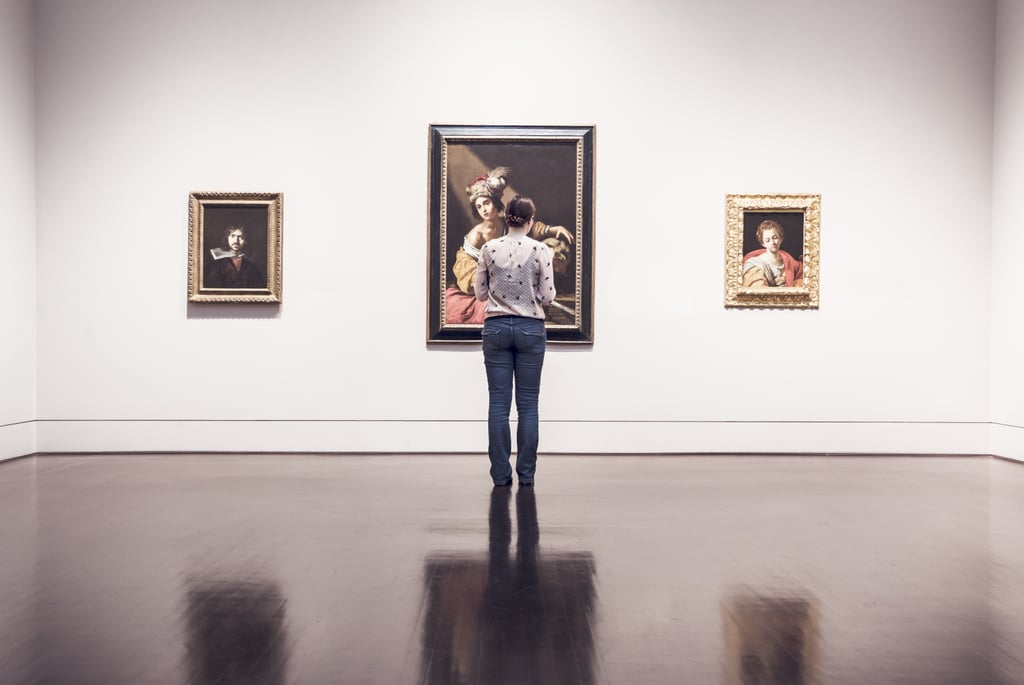
(Imagine a photograph) A well-lit interior shot of the International Center of Photography. In the foreground, a young woman (Sarah) is intently studying a large-scale black and white photograph. Her expression is thoughtful and focused. In the background, other exhibits are visible, showcasing a range of photographic styles and techniques. Soft natural light filters through the gallery windows, highlighting the artworks.
The overall impression is one of calm, focused contemplation and a deep appreciation for the art. A subtle hint of a laptop bag can be seen on the floor next to her, suggesting that she has taken some time to thoroughly appreciate the exhibits.
Summary
In conclusion, enjoying a museum or art gallery solo can be a deeply enriching experience. By thoughtfully planning your visit, effectively navigating the space, engaging with the art, and reflecting on the experience, you can transform a solitary outing into a meaningful encounter with the world of art. This guide has provided a roadmap to ensure that your solo exploration is not only enjoyable but also impactful and personally fulfilling.