Navigating the complexities of foreign currency and exchange rates is crucial for anyone engaging in international transactions, whether for travel, business, or investment. This guide provides a comprehensive overview of the key concepts, practical strategies, and essential tools necessary to confidently handle foreign currency and exchange rates effectively.
From understanding the factors that influence exchange rates to managing currency risk and making international payments, this resource equips you with the knowledge and skills to confidently navigate the global financial landscape. We’ll cover everything from simple currency conversions to sophisticated investment strategies, offering practical insights and actionable advice for your specific needs.
Understanding Exchange Rates
Exchange rates are the prices at which one currency is traded for another. They play a crucial role in international trade, finance, and investment. Understanding how exchange rates are determined and the factors that influence their fluctuations is essential for anyone dealing with foreign currencies.
Determination of Exchange Rates
Exchange rates are primarily determined by the forces of supply and demand in the foreign exchange market. Demand for a currency arises from individuals and businesses seeking to purchase goods, services, or assets denominated in that currency. Conversely, supply is driven by those seeking to sell the currency. The interplay of these forces establishes the prevailing exchange rate.
Several factors contribute to the dynamism of this market.
Factors Influencing Exchange Rate Fluctuations
Numerous factors influence the fluctuations of exchange rates. Economic conditions in the respective countries, such as inflation, interest rates, and economic growth, significantly impact the demand and supply of currencies. Government policies, including monetary and fiscal policies, also exert substantial influence. Political stability and investor sentiment play a key role as well. Events such as natural disasters, wars, and major geopolitical shifts can dramatically affect exchange rates.
Speculation by market participants also influences short-term fluctuations.
Spot Exchange Rates vs. Forward Exchange Rates
Spot exchange rates represent the current exchange rate for immediate delivery of one currency for another. Forward exchange rates, on the other hand, are agreed-upon exchange rates for future delivery of one currency for another. These rates are established in advance and reflect market expectations about future exchange rate movements.
Methods for Tracking Exchange Rate Movements
Numerous methods are available for tracking exchange rate movements. Financial news outlets, specialized websites, and financial data providers offer real-time exchange rate information. Spreadsheet software can be used to track changes over time. Dedicated currency trading platforms provide detailed charts and graphs for monitoring exchange rate trends. Professional traders and investors often employ sophisticated statistical analysis tools and technical indicators to predict and manage exchange rate risks.
Impact of Exchange Rate Fluctuations on Different Currencies
Exchange rate fluctuations can have a significant impact on various currencies. The following table illustrates how fluctuations can affect the relative value of different currencies. Note that this is a simplified representation and the impact on each currency can be more complex.
| Currency | Exchange Rate Change (USD) | Impact on Value (USD) |
|---|---|---|
| Euro (EUR) | +5% | EUR becomes more expensive relative to USD |
| Japanese Yen (JPY) | -3% | JPY becomes cheaper relative to USD |
| British Pound (GBP) | +2% | GBP becomes slightly more expensive relative to USD |
| Canadian Dollar (CAD) | -1% | CAD becomes slightly cheaper relative to USD |
Foreign Currency Transactions
Effectively managing foreign currency transactions is crucial for international trade, travel, and investments. Understanding the various methods available, the associated costs, and the potential risks is essential for making informed decisions. This section details the different avenues for exchanging foreign currency, highlighting the advantages and disadvantages of each.
Methods for Exchanging Foreign Currency
Several avenues facilitate the exchange of foreign currency, each with its own set of characteristics. These include banks, currency exchange bureaus, and online platforms.
Bank Exchange
Banks are a traditional and widely accessible method for exchanging foreign currency. They offer a range of services, including personal and business accounts for managing foreign currency transactions. Their services often come with access to various financial instruments, potentially providing more comprehensive financial solutions for international dealings.
Banks typically have established exchange rates, which are often competitive. However, bank exchange rates can vary between different banks. Transaction fees are often applied, which can be variable based on the amount exchanged, the type of account, and other factors. Moreover, the processing time can vary depending on the bank and the transaction volume.
Currency Exchange Bureaus
Currency exchange bureaus are specialized businesses dedicated to foreign currency exchange. They often offer readily available exchange services, particularly for travelers. These bureaus frequently operate with a broader range of exchange options, accommodating various foreign currencies. They are often located in convenient locations, such as airports or tourist areas. However, currency exchange bureaus typically have higher exchange fees compared to banks, especially for larger transactions.
Their exchange rates are often less favorable than those offered by banks, and the lack of oversight can make them more susceptible to fluctuations in the market. Consequently, currency exchange bureaus might not be the most cost-effective option for frequent or large-scale transactions.
Online Platforms
Online platforms have emerged as a convenient alternative for exchanging foreign currency. These platforms often leverage technology to provide real-time exchange rates, enabling users to monitor and execute transactions at any time. They frequently offer competitive exchange rates, with a potential for greater cost savings compared to traditional methods.
The cost structure of online platforms often involves lower transaction fees, but they may charge for other services. Security and fraud protection measures are critical when choosing online platforms, especially for large transactions. However, the security of online platforms is crucial for protecting funds and data, and it’s vital to choose reputable and well-established providers.
Comparative Analysis of Currency Exchange Services
A comparative analysis of currency exchange services reveals distinct characteristics. Banks generally offer competitive rates and comprehensive financial solutions but may have higher transaction fees. Currency exchange bureaus are convenient for travelers but often have less favorable rates and higher fees. Online platforms present real-time exchange rates and lower fees but require careful consideration of security protocols.
Costs Associated with Each Method
Transaction fees and commissions are significant considerations in choosing a currency exchange method. Banks often have fees tied to the account type and transaction volume. Currency exchange bureaus typically have fixed commissions that can add up for larger transactions. Online platforms frequently have lower transaction fees but may have hidden costs or additional charges. Therefore, a comprehensive evaluation of fees and commissions is necessary for each transaction.
For example, a transaction of $10,000 might incur a 2% commission at a bank, while a similar transaction with a currency exchange bureau could have a 5% commission. Online platforms might have a tiered structure with varying commissions based on the amount exchanged.
Steps Involved in a Foreign Currency Transaction
| Step | Description |
|---|---|
| 1 | Identify the desired currency and the amount required. |
| 2 | Research and compare exchange rates from various providers. |
| 3 | Select the most favorable exchange rate and provider. |
| 4 | Complete the transaction through the chosen method, adhering to the provider’s procedures. |
| 5 | Confirm the transaction details and receipt. |
Following these steps helps ensure a smooth and efficient foreign currency transaction.
Currency Risk Management
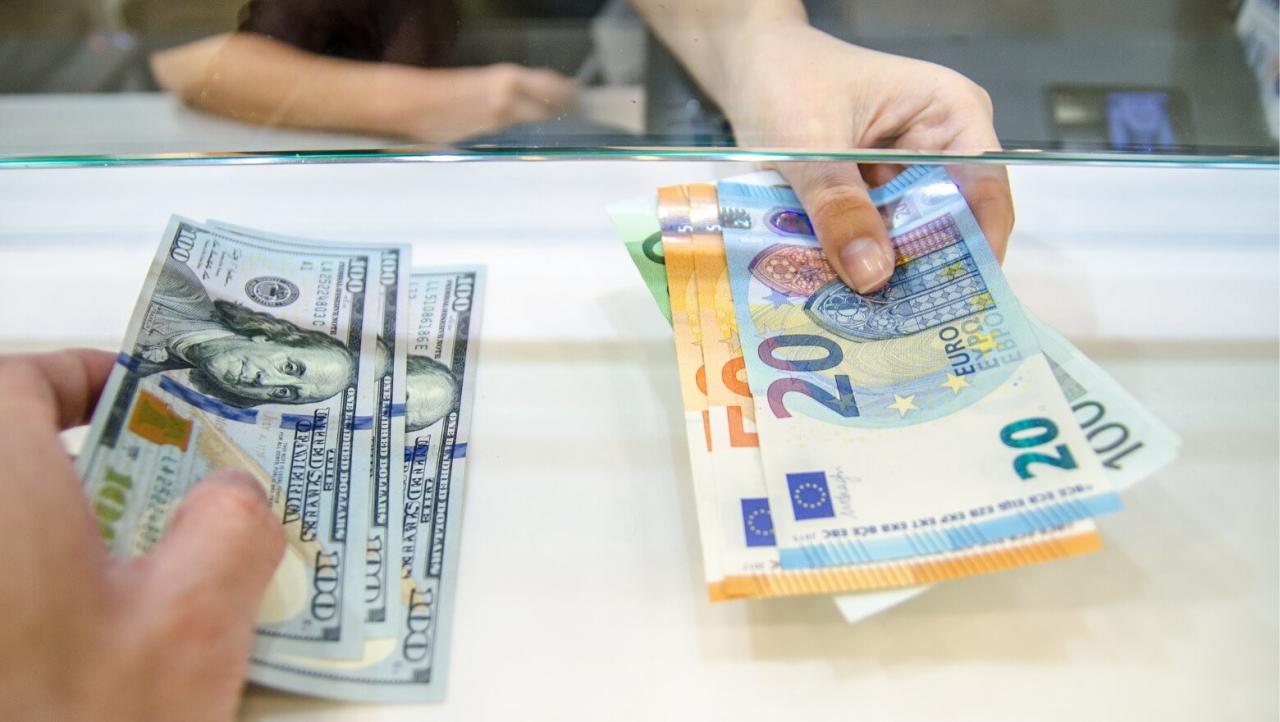
Currency risk, also known as exchange rate risk, is the potential for financial losses due to fluctuations in foreign exchange rates. This risk is inherent in any transaction involving multiple currencies, and its impact can range from minor inconveniences to significant financial losses for businesses and individuals. Understanding and managing this risk is crucial for successful international financial operations.Managing currency risk effectively involves anticipating and mitigating potential losses from adverse exchange rate movements.
Proactive strategies are essential for preserving capital and achieving desired outcomes in global transactions. By understanding the various risk management tools available, businesses and investors can navigate the complexities of international finance with greater confidence and control.
Identifying Potential Impacts of Currency Risk
Fluctuations in exchange rates can directly impact the value of assets and liabilities denominated in foreign currencies. For example, if a company has a significant outstanding debt in a foreign currency and the exchange rate depreciates, the debt’s value in the domestic currency increases, potentially leading to a financial burden. Conversely, if a company has receivables in a foreign currency and the exchange rate appreciates, the receivables’ value in the domestic currency increases, potentially leading to a positive impact.
Furthermore, fluctuating exchange rates can affect the profitability of international transactions, potentially reducing returns or increasing costs. This risk extends to individuals who invest in foreign currencies or assets.
Strategies for Mitigating Currency Risk
A range of strategies can help minimize the impact of currency fluctuations. These strategies typically involve using financial instruments to offset potential losses. Implementing a robust risk management framework is essential to minimize financial exposure and protect against adverse exchange rate movements.
Forward Contracts
Forward contracts are agreements to exchange a specific amount of currency at a predetermined exchange rate on a future date. This allows businesses to lock in an exchange rate today for a future transaction, effectively eliminating the uncertainty associated with fluctuating exchange rates. For instance, a company exporting goods to a foreign country can use a forward contract to fix the exchange rate for receiving payment in the future, ensuring a predictable income stream.
Forward contracts provide a clear and definite outcome, protecting against potential exchange rate fluctuations.
Options
Options provide a more flexible approach to currency risk management. They allow the buyer to purchase or sell a specific currency at a predetermined price (strike price) within a certain timeframe. If the exchange rate moves unfavorably, the option holder can choose not to exercise the option, limiting potential losses. For example, an importer can purchase a currency option to mitigate the risk of a significant increase in the price of the imported goods due to an unfavorable exchange rate movement.
Options provide a safeguard against potential losses while maintaining some flexibility.
Swaps
Currency swaps involve exchanging cash flows in different currencies. These are frequently used to manage the interest rate and currency risks associated with borrowing in foreign currencies. For instance, a company can enter into a currency swap to convert its debt from one currency to another to better manage its debt obligations. This allows companies to reduce the risk associated with fluctuations in both interest rates and exchange rates.
Swaps offer a dynamic way to manage exposure to various forms of financial risk.
Diversification
Diversifying international transactions and investments can also mitigate currency risk. By spreading investments or transactions across multiple currencies, the impact of unfavorable movements in any single currency is reduced. This is particularly important for businesses involved in trading with multiple countries or investors who are looking to diversify their international portfolios. This strategy is based on the principle that the losses from a negative performance in one currency might be offset by the gains in another.
Factors to Consider When Choosing a Strategy
The best strategy for managing currency risk depends on various factors, including the size and nature of the transaction, the anticipated time horizon, and the level of risk tolerance. Factors such as the company’s financial situation, the specific market conditions, and the complexity of the transaction should all be considered before deciding on a strategy. A careful evaluation of the individual circumstances and potential risks involved is crucial for selecting the appropriate risk management approach.
Currency Conversion Tools
Currency conversion tools are essential for anyone dealing with foreign exchange. They provide quick and convenient ways to determine the equivalent value of one currency in another, facilitating transactions and financial planning across borders. These tools are indispensable for businesses engaging in international trade, travelers, and individuals managing international investments.
Common Currency Conversion Tools
Various tools are available for currency conversion, each with its own strengths and weaknesses. These tools include online converters, dedicated financial software, and mobile applications. The choice of tool often depends on individual needs and preferences, considering factors such as ease of use, accuracy, and features.
Features and Functionalities of Conversion Tools
Online currency converters typically display the current exchange rate between two specified currencies. They often update exchange rates in real-time, providing dynamic information crucial for immediate transactions. Many also offer historical exchange rate data, allowing users to track trends and patterns over time. Advanced tools might include calculators for calculating the total cost of goods and services in a different currency, along with conversion options for multiple currencies simultaneously.
Financial software often integrates currency conversion into their broader portfolio of financial management tools, offering more extensive reporting and analysis capabilities. Mobile apps are designed for portability, allowing users to access real-time conversion information on the go. These apps frequently include features like favorite currency lists, conversion history, and customizable settings for preferred display formats.
Accuracy and Reliability of Conversion Tools
The accuracy of currency conversion tools is heavily dependent on the source of their exchange rate data. Reliable tools typically obtain their data from reputable financial data providers, ensuring the accuracy and timeliness of the information. It’s essential to scrutinize the data source to ensure that the tool is using a credible and up-to-date exchange rate. The reliability of a conversion tool is also influenced by its algorithm and the frequency of its data updates.
Real-time updates are crucial for accuracy, particularly for transactions requiring immediate conversions. While many tools offer real-time updates, discrepancies can occur, especially when dealing with volatile markets. Therefore, users should be cautious and confirm the information with other sources if necessary.
Using a Currency Converter to Calculate Exchange Amounts
To calculate exchange amounts, the user typically enters the amount in one currency and selects the target currency. The converter then displays the equivalent amount in the selected currency. For example, to convert 100 US Dollars to Euros, a user would input 100 in the USD field and select EUR as the target currency. The converter will display the corresponding Euro amount, based on the current exchange rate.
Users should pay close attention to the displayed exchange rate and the date/time of the conversion, as these factors directly influence the final calculation.
Comparison of Currency Conversion Tools
| Tool | Strengths | Weaknesses |
|---|---|---|
| Online Converter A | User-friendly interface, real-time updates, and comprehensive data | Limited advanced features, potential for discrepancies in volatile markets |
| Financial Software B | Integrates with broader financial management tools, detailed reporting, and historical data analysis | Requires a subscription or software purchase, potentially less user-friendly for simple conversions |
| Mobile App C | Portability, convenient access on the go, and user-friendly interface | May have limited features compared to other tools, potentially less comprehensive data |
International Payments
International payments are a critical aspect of global commerce, facilitating transactions between businesses and individuals across borders. Understanding the various methods and associated considerations is essential for successful international trade and investment. Efficient and secure international payment processes minimize risks and ensure timely settlement of transactions.The process of making international payments involves several steps, including initiating the transfer, selecting the appropriate payment method, verifying the recipient’s details, and monitoring the transaction status until funds are received.
Choosing the most suitable method depends on factors like transaction value, urgency, and the recipient’s location.
Methods of International Money Transfers
Various methods exist for transferring funds internationally, each with its own advantages and disadvantages. These methods are crucial for ensuring the smooth and secure flow of money across borders.
- Wire Transfers (Telegraphic Transfers): These are traditional methods involving electronic instructions to transfer funds from one bank account to another. Wire transfers are often used for large sums and require specific bank details for the recipient. They are generally secure but can be slower than other methods, especially during peak periods. Fees vary depending on the banks involved and the amount transferred.
Wire transfers are commonly used for large-scale business transactions.
- Bank Transfers (Domestic or International): Similar to wire transfers, bank transfers involve instructions for fund transfer between accounts held at different banks. They can be domestic or international, depending on the location of the recipient’s bank. Bank transfers are often faster than wire transfers, but the timeliness depends on the banks involved. Fees may apply, and it’s essential to clarify these charges with the relevant banks.
- Money Orders and Checks: These methods are less common for large-value international transactions, often used for smaller amounts. They are slower than electronic methods and involve physical documents, increasing the risk of delays or loss. Fees and processing times vary greatly depending on the institution and the destination country.
- Electronic Funds Transfers (EFTs): These transfers involve the electronic transfer of funds from one account to another, often through a network or intermediary. EFTs are faster and more efficient than traditional methods, suitable for frequent or recurring transactions. Fees and processing times can vary based on the specific system used.
- Payment Gateways: These online payment platforms facilitate international transactions by handling the complexities of currency conversion, transaction security, and international payment processing. They are popular for online businesses handling international customers, providing a convenient and often secure way to receive payments.
International Payment Systems and Fees
Various international payment systems facilitate the transfer of funds. Understanding these systems and associated costs is vital for cost-effective transactions.
- SWIFT (Society for Worldwide Interbank Financial Telecommunication): SWIFT is a global network that facilitates secure international financial transactions. It’s used primarily for wire transfers between banks. Fees are typically charged by the banks involved in the transaction. SWIFT is widely used for large-value transactions and high-volume international trade.
- Western Union, MoneyGram: These companies provide international money transfer services to individuals and businesses. Fees are often higher compared to bank transfers and are typically based on the amount being transferred. These services are common for smaller transactions, such as remittances.
Factors to Consider When Selecting a Payment Method
Choosing the right payment method for international transactions involves several key considerations. Careful evaluation of these factors is essential for minimizing costs and risks.
- Transaction Value: Larger transactions might benefit from wire transfers or bank transfers, while smaller ones might be handled efficiently by payment gateways or alternative methods. The cost per transaction should be considered relative to the value being transferred.
- Speed of Transfer: The urgency of the transaction impacts the chosen method. If speed is critical, EFTs or payment gateways are preferable. Traditional methods might take longer.
- Security Concerns: Methods with robust security measures should be prioritized, especially for sensitive transactions. The reputation and security protocols of the payment provider are crucial.
- Fees and Charges: Fees vary significantly between methods. Scrutinizing fees and charges associated with each option is essential to minimize costs.
- Recipient’s Location and Bank: The recipient’s location and banking infrastructure may influence the suitable payment method. Different countries have different payment preferences.
International Payment Instruments
Different payment instruments are used for international transactions, each with specific characteristics and implications.
| Instrument | Description | Advantages | Disadvantages |
|---|---|---|---|
| Wire Transfer | Electronic funds transfer between banks | Secure, large-value transactions | Slow, potentially high fees |
| Bank Transfer | Funds transfer between bank accounts | Relatively faster than wire transfer | Fees may apply, variable speed |
| Money Order | Prepaid order for funds | Simple for smaller transactions | Slower, less secure |
| Check | Written order for funds | Simple for smaller transactions | Slower, less secure |
| EFT | Electronic funds transfer | Faster, more efficient | Fees may vary, system dependence |
| Payment Gateway | Online payment platform | Convenient, secure for online transactions | Fees may apply, dependent on platform |
Travel and Foreign Currency
Traveling internationally often involves navigating different currencies. Understanding how to exchange currency efficiently and manage your finances effectively during your trip can significantly impact your overall experience and your budget. This section provides practical guidance on exchanging currency, using ATMs, and avoiding common pitfalls to help you travel smarter.
Best Practices for Exchanging Currency
Proper planning is crucial when exchanging currency for travel. Before your trip, research the current exchange rates and fees associated with various exchange services. This pre-trip preparation allows you to make informed decisions at the destination. Consider exchanging a portion of your currency before departure and the rest when you arrive, depending on your needs and the exchange rates.
Using reputable exchange services or banks often provides more favorable rates compared to street vendors or less-established providers.
Advantages and Disadvantages of Using ATMs Abroad
ATMs offer a convenient way to access cash while traveling. A key advantage is the ease of access, often found in many locations. However, consider that ATM fees can add up quickly, so choosing ATMs with low or no fees is essential. Additionally, exchange rate markups can impact your spending. International transaction fees can further decrease your return on investment, depending on your bank’s policies and the ATM’s location.
Understanding the potential costs associated with using ATMs abroad is vital for effective financial planning.
Avoiding Common Pitfalls When Exchanging Currency
Several common mistakes can lead to unnecessary financial losses when exchanging currency. One such mistake is exchanging currency at unfavorable rates, such as those offered by informal exchange bureaus. Avoid impulse decisions and compare exchange rates before committing to an exchange. Similarly, be cautious of exchange services promising exceptionally high rates; these might hide significant fees. Be vigilant about the exchange rates and fees before you exchange currency.
Tips for Saving Money on Currency Exchange During Travel
Saving money on currency exchange requires proactive planning. A significant portion of savings can be gained by using your bank’s international transaction capabilities. Some banks offer favorable exchange rates and reduced fees for transactions made through their systems. Furthermore, using credit cards with no foreign transaction fees can help minimize the impact of exchange rate fluctuations. Additionally, consider utilizing online comparison tools to identify the best exchange rates before your trip.
Pre-trip preparation is key to making informed decisions and saving money on currency exchange.
Strategies for Managing Cash Flow While Traveling Abroad
Effective cash flow management during travel requires careful planning and execution. A pre-determined daily or weekly budget can help maintain control of your spending. This pre-planned budget will help you stay within your allocated funds. Employing budgeting apps or dedicated travel finance tools can be helpful. Furthermore, using a combination of credit and debit cards, along with cash, can provide flexibility and backup options.
It’s wise to familiarize yourself with local payment methods and ensure your cards are activated for international use.
Investment Considerations

Foreign exchange plays a significant role in modern investment strategies, impacting returns and risk profiles. Understanding the dynamics of foreign exchange markets is crucial for investors seeking to diversify their portfolios and potentially capitalize on global opportunities. A nuanced understanding of currency risk management is essential for mitigating potential losses and maximizing gains.The inclusion of foreign currencies in investment portfolios presents both attractive opportunities and inherent risks.
Profits can arise from favorable exchange rate movements, while losses can stem from adverse shifts. A well-structured approach, incorporating appropriate risk management strategies, can help investors navigate these complexities and potentially enhance overall returns.
Role of Foreign Exchange in Investment Strategies
Foreign exchange significantly influences investment strategies by enabling access to global markets and diverse asset classes. Investors can diversify their portfolios across different countries, potentially reducing exposure to domestic economic downturns and benefiting from varying market conditions. This diversification can be a key element in risk mitigation and potentially improving long-term returns. Moreover, foreign exchange plays a vital role in international trade, enabling companies to conduct transactions across borders.
Potential Risks and Rewards of Investing in Foreign Currencies
Investing in foreign currencies presents both potential rewards and inherent risks. Favorable exchange rate movements can lead to substantial gains, while adverse movements can result in significant losses. Currency fluctuations can impact the value of foreign investments, and investors must carefully assess the risks associated with these fluctuations. Furthermore, investors need to consider geopolitical factors and economic conditions in the target countries when evaluating foreign currency investments.
Strategies for Incorporating Foreign Exchange into Investment Portfolios
Several strategies can help investors incorporate foreign exchange into their portfolios. Hedging strategies, such as using currency forwards or options, can mitigate the risk of adverse exchange rate movements. Diversification across different currencies can also reduce exposure to specific currency risks. Investors should also conduct thorough research on the economic and political landscape of the countries in which they are investing.
A well-researched strategy is crucial for success in this area.
Impact of Exchange Rate Fluctuations on Investment Returns
Exchange rate fluctuations can significantly impact investment returns, both positively and negatively. Appreciating domestic currencies relative to foreign currencies can boost returns on foreign investments, while depreciating domestic currencies can reduce returns. Investors must consider these potential fluctuations when making investment decisions and develop strategies to mitigate the associated risks. A strong understanding of currency correlations is important for creating a balanced and well-diversified portfolio.
Investment Instruments Involving Foreign Currency
| Investment Instrument | Description | Example |
|---|---|---|
| Foreign Stocks | Shares of publicly traded companies in foreign markets. | Investing in Apple (US) shares on the NYSE and simultaneously investing in Toyota (Japan) shares on the Tokyo Stock Exchange. |
| Foreign Bonds | Debt securities issued by foreign governments or corporations. | Purchasing German government bonds (Bund) or a corporate bond from a French energy company. |
| International Mutual Funds/ETFs | Investment funds that invest in a diversified portfolio of foreign assets. | A fund specializing in emerging market equities or an ETF tracking the FTSE 100 index. |
| Currency Futures Contracts | Contracts to buy or sell a specific currency at a predetermined price and date. | A contract to buy 100,000 USD at a specific price on a future date. |
| Currency Options | Contracts that give the holder the right, but not the obligation, to buy or sell a specific currency at a predetermined price and date. | An option to buy 100,000 EUR at a specific price within a specific time frame. |
Government Regulations
Governments worldwide implement regulations to manage foreign exchange transactions and international payments. These regulations aim to maintain financial stability, prevent illicit activities, and protect national interests. Understanding these regulations is crucial for businesses and individuals engaging in cross-border transactions.
Foreign Exchange Transaction Regulations
Various countries have specific guidelines and regulations concerning foreign exchange transactions. These regulations often cover aspects such as the permitted amounts of foreign currency transactions, reporting requirements, and exchange controls. The complexity of these regulations can vary significantly depending on the specific country and its economic policies.
- Exchange Controls: Many countries impose exchange controls to manage their currency’s value and flow. These controls can involve limitations on the amount of foreign currency that can be bought or sold, restrictions on the use of foreign currency for specific purposes, or requirements for obtaining government approvals for certain transactions. For example, some countries restrict the export of their currency to limit speculative activity or maintain currency stability.
- Reporting Requirements: Regulations often mandate the reporting of foreign exchange transactions exceeding certain thresholds. This reporting is crucial for monitoring capital flows and detecting potential financial irregularities. Failure to comply with these reporting requirements can lead to penalties or legal consequences.
- Authorized Dealers: In many jurisdictions, foreign exchange transactions must be conducted through authorized dealers. This ensures that the transactions are conducted through licensed entities that are subject to regulatory oversight, promoting transparency and financial stability.
Legal Frameworks Governing International Payments
International payments are governed by a complex web of legal frameworks, often incorporating elements of domestic and international law. These frameworks are designed to ensure the safety, security, and efficiency of cross-border transactions while mitigating risks.
- Payment Systems Regulation: Regulations are often in place to ensure the integrity and security of payment systems, especially for international transfers. This involves establishing standards for payment processing, security protocols, and dispute resolution mechanisms. Regulations also often cover the use of specific payment instruments and procedures.
- Anti-Money Laundering (AML) Regulations: International payments are frequently scrutinized for potential money laundering activities. AML regulations require financial institutions to implement measures to identify and report suspicious transactions. This can involve verifying the identity of parties involved in transactions and monitoring for unusual patterns.
- Sanctions and Embargoes: Governments frequently impose sanctions and embargoes on specific countries or individuals. These measures affect international payments by restricting transactions with sanctioned entities or jurisdictions. Businesses must be acutely aware of these restrictions and ensure compliance.
Examples of Government Regulations
Government regulations vary considerably across countries. For instance, some countries may require licenses for foreign exchange dealers, while others may impose stricter controls on currency exchange for certain individuals or businesses. Regulations also often differ based on the nature of the transaction, whether it’s for trade, investment, or personal use.
- Capital Controls: Certain countries may impose capital controls to manage capital inflows and outflows. These controls can include restrictions on foreign investment or the repatriation of profits. For example, China has implemented capital controls to maintain currency stability and manage financial risks.
- Currency Exchange Restrictions: In some countries, restrictions are placed on the amount of foreign currency that individuals can exchange or the rates at which they can exchange. These restrictions can be aimed at protecting the national currency or managing currency reserves.
Role of International Organizations
International organizations play a crucial role in regulating foreign exchange. Their standards and guidelines help harmonize regulations across countries, promote transparency, and facilitate international cooperation in managing currency risks.
- The International Monetary Fund (IMF): The IMF provides guidance and support to member countries in managing their foreign exchange policies. It encourages the adoption of sound policies and promotes financial stability.
- The Bank for International Settlements (BIS): The BIS plays a significant role in fostering cooperation among central banks and promoting international financial stability. Its work often includes the development of standards and best practices for managing foreign exchange risk.
Key Regulations in Specific Regions
The following table summarizes key foreign exchange regulations in different regions.
| Region | Key Regulations |
|---|---|
| Europe | EU regulations often involve harmonization of policies and guidelines for international payments and foreign exchange. |
| Asia | Regulations in Asia vary considerably across countries. Some countries have strict controls, while others have more relaxed policies. |
| North America | North American countries generally have well-developed financial systems with robust regulatory frameworks for foreign exchange transactions. |
Technological Advancements
Technological advancements have profoundly reshaped the foreign exchange market, transforming how currencies are traded and managed. The integration of technology has streamlined processes, enhanced efficiency, and broadened access to global financial markets. This evolution has also introduced new challenges, particularly concerning security and compliance in online transactions.
Impact of Technology on Foreign Exchange Transactions
Technology has significantly impacted foreign exchange transactions by automating processes, reducing transaction costs, and expanding market access. The adoption of electronic trading platforms has allowed for 24/7 trading, enabling individuals and institutions to participate in the market at any time. This accessibility, coupled with lower transaction fees and increased transparency, has democratized currency trading to a greater extent than ever before.
Role of Online Platforms and Mobile Applications in Currency Exchange
Online platforms and mobile applications have become indispensable tools for currency exchange. These platforms provide real-time exchange rate information, facilitating quick and efficient conversions. Users can compare rates from various providers, execute transactions, and manage their foreign currency holdings with ease. Mobile applications have further simplified this process, allowing users to access currency exchange services on their smartphones, making it more convenient than ever before.
Security Measures Associated with Online Currency Transactions
Security is paramount in online currency transactions. Robust security measures are essential to protect sensitive financial data and prevent fraudulent activities. These measures include encryption of data transmissions, multi-factor authentication, and regular security audits. Financial institutions and platforms employ advanced fraud detection systems to identify and mitigate potential threats. For example, many platforms utilize algorithms to detect unusual transaction patterns and flag them for review.
Summary of Emerging Technologies in the Foreign Exchange Market
Emerging technologies are poised to further revolutionize the foreign exchange market. These include blockchain technology, artificial intelligence (AI), and machine learning (ML). Blockchain has the potential to enhance transparency and security in cross-border payments. AI and ML can be used to predict exchange rates more accurately and optimize trading strategies. These advancements are still in development but hold significant promise for the future of foreign exchange.
Table Demonstrating How Technology is Revolutionizing Currency Exchange
| Technology | Impact on Currency Exchange | Example |
|---|---|---|
| Online Platforms | Provide real-time exchange rates, facilitate quick conversions, and compare rates from various providers. | A trader can use a platform to compare exchange rates for USD to EUR and execute a transaction instantly. |
| Mobile Applications | Enhance accessibility and convenience by allowing users to access currency exchange services on their smartphones. | A traveler can use a mobile app to convert currency and make payments abroad. |
| Blockchain Technology | Enhance transparency and security in cross-border payments by creating a secure and immutable record of transactions. | International payments using cryptocurrencies based on blockchain technology can be faster and more secure. |
| Artificial Intelligence (AI) | Predict exchange rates more accurately and optimize trading strategies. | AI algorithms can analyze market trends to provide more precise predictions of exchange rate movements. |
Case Studies
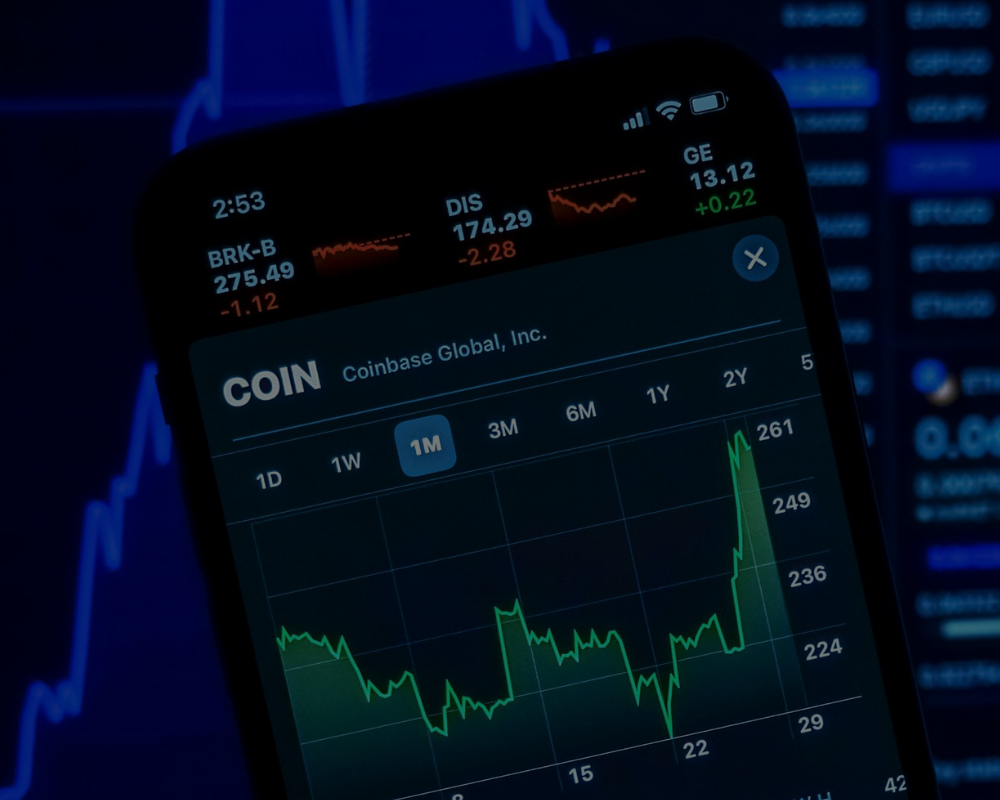
Examining real-world scenarios provides valuable insights into the complexities and potential ramifications of currency exchange. Understanding how businesses and individuals have navigated currency fluctuations, both successfully and unsuccessfully, allows for informed decision-making in managing foreign exchange risk. This section explores various case studies, highlighting successful strategies, the impact of currency risk, and the consequences of poor management.Successful currency management strategies often hinge on careful planning, proactive risk mitigation, and a deep understanding of market trends.
Conversely, inadequate planning or a lack of understanding can lead to significant financial losses.
Successful Currency Exchange Strategies
Effective currency management involves anticipating and mitigating potential losses due to fluctuations in exchange rates. This often entails a combination of hedging techniques and a thorough understanding of market dynamics. Successful strategies often involve forward contracts or options to lock in exchange rates, reducing the impact of unexpected volatility.
- A multinational corporation, anticipating a significant increase in revenue from sales in the Eurozone, used forward contracts to lock in an advantageous exchange rate for their anticipated Euro receipts. This approach effectively mitigated the risk of unfavorable exchange rate fluctuations, securing predictable revenue streams and contributing to the company’s overall financial stability.
- A small business importing goods from Japan proactively hedged against currency risk by purchasing currency options. This strategy allowed the business to manage potential losses from a weakening Japanese Yen against the US Dollar. The business could adjust their import strategy in response to market changes while mitigating potential financial losses.
Impact of Currency Risk on Businesses
Currency fluctuations can significantly impact businesses, particularly those with substantial international operations. Unfavorable exchange rate movements can diminish profitability, complicate financial planning, and lead to unexpected losses.
- A US-based company heavily reliant on exports to the UK experienced a substantial decline in profitability due to a weakening US dollar against the British pound. The company’s revenue, denominated in pounds, decreased in value when converted back to US dollars. This highlighted the importance of considering currency risk when setting prices and managing international transactions.
- A German company exporting goods to the United States faced reduced profits due to a strengthening US dollar. The company’s revenues, denominated in US dollars, were worth less in German currency when converted back. This underscores the necessity for companies to actively monitor exchange rate movements and develop strategies to mitigate the potential adverse effects.
Currency Management Strategies Yielding Favorable Outcomes
Implementing robust currency management strategies can lead to significant financial benefits. Careful planning and risk mitigation can protect profits, ensure predictable cash flows, and promote long-term financial stability.
- A travel agency specializing in international trips implemented a currency exchange policy that minimized losses associated with currency fluctuations. The agency hedged exchange rates when booking flights and accommodations to ensure favorable exchange rates for their clients. This resulted in a considerable increase in customer satisfaction and profitability.
- A portfolio manager employing a diversified investment strategy across multiple currencies experienced positive returns due to strategic allocation of funds in various currency pairs. The portfolio’s resilience during periods of volatility was a result of the manager’s effective currency diversification.
Consequences of Poor Currency Management
Failing to effectively manage currency risk can have severe repercussions, leading to significant financial losses and jeopardizing a company’s or individual’s financial well-being.
- A small exporter, unfamiliar with currency exchange, experienced substantial losses due to a sudden depreciation of the local currency. The company failed to hedge against currency risk, resulting in reduced profits and even potential insolvency.
- An investor, unaware of currency exchange dynamics, lost a substantial portion of their investment due to a currency crisis in a foreign market. The investor’s lack of awareness about currency risk resulted in a significant loss of capital.
Comparative Analysis of Case Studies
Comparing various case studies reveals the different approaches and outcomes associated with managing currency exchange. The analysis highlights the importance of understanding market conditions, risk tolerance, and the various available strategies for hedging currency risk.
| Case Study | Strategy | Outcome |
|---|---|---|
| Multinational Corporation | Forward Contracts | Mitigated risk, predictable revenue |
| Small Business | Currency Options | Managed potential losses, adjusted import strategy |
| US-based Company | Lack of Hedging | Reduced profitability, increased volatility |
| German Company | Lack of Hedging | Reduced profitability, currency risk |
| Travel Agency | Hedged exchange rates | Increased customer satisfaction, profitability |
| Portfolio Manager | Diversified investments | Positive returns, resilience |
| Small Exporter | Lack of Hedging | Significant losses, potential insolvency |
| Investor | Lack of Awareness | Significant loss of capital |
Resources and Further Learning
Expanding your knowledge of foreign exchange requires accessing diverse resources. This section provides a curated selection of reliable materials, from reputable websites and books to relevant online courses and government publications. These resources will enhance your understanding of the complexities of foreign exchange and empower you to make informed decisions.Furthering your understanding of foreign exchange requires a multi-faceted approach, encompassing theoretical frameworks, practical applications, and real-world case studies.
This section offers a comprehensive overview of the resources available to support your learning journey.
Reputable Websites and Online Resources
A multitude of websites offer valuable information on foreign exchange. These resources provide up-to-date market data, analysis, and expert commentary, allowing you to stay abreast of the ever-changing landscape.
- Central banks’ websites (e.g., the Federal Reserve, Bank of England, European Central Bank): These institutions are central to the global financial system and provide crucial data, publications, and insights into monetary policy and exchange rate movements.
- Financial news websites (e.g., Bloomberg, Reuters, The Wall Street Journal): These platforms offer real-time market updates, expert analysis, and in-depth reports on foreign exchange markets.
- Academic journals and research papers: Peer-reviewed publications provide a deeper dive into theoretical aspects and empirical research on foreign exchange markets. These resources often contain intricate models and methodologies used by researchers and academics.
Books and Articles
Books and articles provide a structured and in-depth exploration of foreign exchange concepts. They offer valuable insights into the history, theories, and practical applications of this complex field.
- Foreign Exchange Markets by [Author Name]: This book offers a comprehensive overview of the foreign exchange market, including its structure, participants, and instruments.
- International Finance by [Author Name]: This book provides a broader perspective on international finance, including foreign exchange, and can be valuable for understanding the broader context.
- Articles in academic journals such as the Journal of International Economics, The Review of Financial Studies, and The Economic Journal provide detailed analyses of various aspects of foreign exchange markets.
Online Courses and Educational Materials
Numerous online platforms offer courses and educational materials specifically focused on foreign exchange. These resources often combine theoretical knowledge with practical application, equipping learners with essential skills.
- Coursera, edX, and other online learning platforms offer courses on international finance, international trade, and financial markets. These courses often incorporate practical exercises and real-world case studies.
- Educational institutions often provide courses on foreign exchange, including introductory and advanced courses. These resources frequently offer detailed explanations of concepts and practical application methods.
Government Resources
Government agencies play a significant role in regulating and overseeing the foreign exchange market. Their publications provide valuable insights and regulations.
- The US Treasury Department’s website provides information on US foreign exchange policy and regulations. Other countries’ treasury departments provide similar resources.
- Government agencies publish reports on international trade and economic data, offering valuable context for understanding foreign exchange movements. This includes data on trade balances and economic growth.
Closing Notes

In conclusion, mastering foreign currency and exchange rates requires a multifaceted approach encompassing understanding exchange rate dynamics, managing risk, and leveraging technology. By carefully considering the various methods for currency exchange, the associated costs, and the potential impact on your transactions, you can make informed decisions and maximize your returns. This comprehensive guide has equipped you with the knowledge to confidently handle foreign currency and exchange rates in diverse situations, from everyday travel to complex investment strategies.