Navigating unwanted attention, whether online or in person, can be challenging. This guide provides a comprehensive framework for understanding the various forms of unwanted attention, identifying triggers, and developing effective coping mechanisms. From setting healthy boundaries to managing online interactions, we’ll explore practical strategies to navigate these situations with grace and maintain your well-being.
This guide will delve into the psychological impact of unwanted attention, offering insights into the emotional responses and potential consequences. We will also explore the importance of self-care and seeking support when needed.
Understanding Unwanted Attention
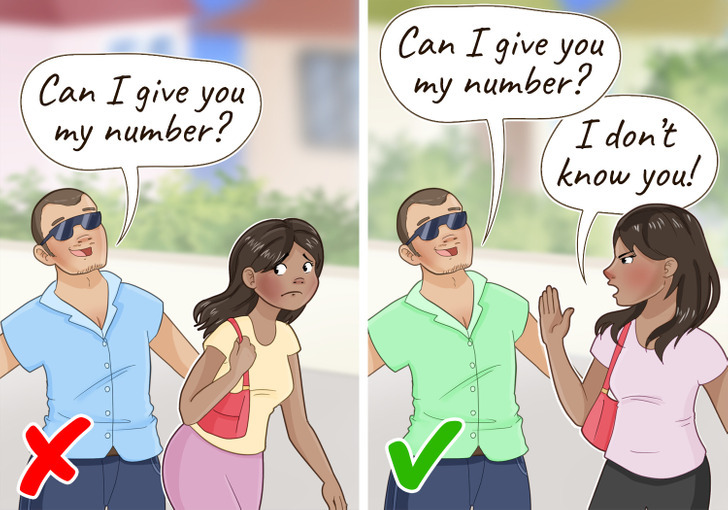
Unwanted attention can manifest in various forms, impacting individuals in diverse ways. Recognizing these forms and their psychological consequences is crucial for developing effective coping strategies. This section delves into the different types of unwanted attention, exploring their impact on emotional well-being and potential long-term consequences.
Different Types of Unwanted Attention
Unwanted attention encompasses a broad spectrum of experiences, ranging from mild social discomfort to severe online harassment. Understanding the diverse forms of this attention is vital for developing appropriate responses.
- Social Media Interactions: Negative comments, unwarranted criticisms, or unwanted social media contact can significantly affect an individual’s self-esteem and mental health. These interactions can manifest as public shaming, targeted bullying, or unwanted friend requests, potentially leading to feelings of isolation and anxiety. For example, constant public criticism of a person’s appearance or lifestyle on social media platforms can cause significant distress.
- In-Person Interactions: Unwanted attention in person can range from persistent requests for information or attention to unwanted advances. This can include unsolicited compliments, unwanted romantic interest, or attempts to engage in conversations that make the recipient feel uncomfortable. A constant barrage of questions or attempts to engage in conversation, even if seemingly harmless, can be emotionally draining for the individual.
- Online Harassment: This encompasses a wide range of online behaviors intended to cause distress or harm, such as cyberbullying, stalking, or threats. Online harassment can be particularly damaging due to its pervasiveness and potential for anonymity. This can involve sending hateful messages, spreading rumors, or creating fake profiles to target and abuse an individual.
Psychological Impact of Unwanted Attention
Unwanted attention can exert a profound impact on mental well-being. The experience can trigger a range of emotional responses, potentially leading to long-term consequences.
- Emotional Responses: Feelings of anxiety, depression, and low self-esteem are common responses to unwanted attention. The experience can lead to feelings of isolation, fear, and vulnerability. This can significantly impact a person’s ability to function effectively in social and professional settings.
- Potential Consequences: Chronic exposure to unwanted attention can lead to a decline in mental and emotional well-being. The individual might experience increased stress levels, sleep disturbances, and difficulty concentrating. In extreme cases, it can contribute to serious mental health conditions such as post-traumatic stress disorder (PTSD).
Comparison of Unwanted Attention Types
The table below provides a comparative overview of various forms of unwanted attention, considering their intensity and frequency.
| Type of Unwanted Attention | Intensity | Frequency | Examples |
|---|---|---|---|
| Social Media Interactions | Moderate | Variable | Negative comments, unwanted friend requests, public shaming |
| In-Person Interactions | Low to Moderate | Variable | Persistent requests for information, unwanted romantic interest, unwanted advances |
| Online Harassment | High | Variable | Cyberbullying, stalking, threats, spreading rumors, creating fake profiles |
Identifying Triggers and Patterns
Understanding the triggers and patterns of unwanted attention is crucial for developing effective coping mechanisms. Recognizing these elements allows individuals to anticipate potential situations and proactively manage their responses. By identifying recurring themes and sources, individuals can better navigate these challenging social dynamics and maintain their well-being.Identifying the specific situations, behaviors, and individuals that tend to elicit unwanted attention is a significant step towards managing such encounters.
This involves careful self-reflection and observation, noting the context, frequency, and intensity of the attention. Understanding the underlying causes of these patterns can provide valuable insights for personal growth and improved social interactions.
Common Triggers of Unwanted Attention
Identifying the specific triggers that lead to unwanted attention is essential for developing effective coping mechanisms. Common triggers often involve behaviors, situations, or personal attributes that inadvertently draw unwanted attention. These triggers can be subtle and difficult to pinpoint without conscious effort and self-reflection.
- Certain personal characteristics, such as attire, physical appearance, or social status, can inadvertently attract unwanted attention.
- Specific behaviors, such as outspokenness, assertiveness, or unconventional viewpoints, may attract unwanted attention from those who disagree or feel challenged.
- Certain social situations, such as public speaking engagements, gatherings with large groups of unfamiliar people, or participation in controversial discussions, can heighten the likelihood of unwanted attention.
- Specific interactions with individuals who have pre-existing biases or negative intentions towards the person experiencing unwanted attention can lead to such interactions.
Examples of Unwanted Attention Situations
Recognizing unwanted attention requires understanding the various contexts in which it can occur. The examples below illustrate a range of situations where individuals might experience unwanted attention.
- A student might experience unwanted attention from classmates who find their academic achievements or personal interests to be a source of envy or provocation.
- A professional might experience unwanted attention from colleagues who find their assertiveness or success to be a threat or a source of conflict.
- An individual might experience unwanted attention from strangers who perceive their appearance or demeanor as a source of fascination or curiosity.
- A social media influencer might experience unwanted attention from online trolls or individuals who disagree with their opinions or actions.
Recognizing Patterns in Unwanted Attention
Identifying patterns in unwanted attention is crucial for proactive management. This involves analyzing the frequency, timing, and source of the attention.
- Frequency: Regularity of unwanted attention provides insight into potential triggers or recurring situations.
- Timing: The time of day or specific situations when unwanted attention arises may highlight underlying patterns or triggers.
- Source: Determining the source of the unwanted attention (e.g., specific individuals, social media accounts, or particular situations) helps identify recurring themes or individuals.
Table of Unwanted Attention Patterns and Possible Causes
The table below presents various patterns of unwanted attention and potential underlying causes. Understanding these patterns can be helpful in developing strategies to manage and address unwanted attention effectively.
| Pattern of Unwanted Attention | Possible Underlying Causes |
|---|---|
| Recurring attention from a specific individual | Prejudice, envy, personal conflict, or an attempt to manipulate. |
| Attention focused on personal appearance or attire | Social pressure, insecurity, or judgmental attitudes. |
| Attention during social gatherings or public events | Fear of conflict, negative judgments, or attention-seeking behaviors from others. |
| Attention from online platforms or social media | Cyberbullying, trolling, or negative feedback. |
Managing Online Interactions
Navigating the digital world often brings unexpected attention, both positive and negative. Understanding how to manage online interactions is crucial for maintaining well-being and safety. This section will explore strategies for controlling unwanted attention on social media platforms, protecting your online privacy, and effectively addressing online harassment and cyberbullying.
Strategies for Managing Unwanted Attention on Social Media
Effective management of unwanted online attention begins with proactive steps on social media platforms. Limiting the visibility of your profile and content to specific audiences can mitigate potential issues. Using privacy settings, controlling who can comment or message you, and adjusting post visibility are all valuable tools. Regular review and adjustment of these settings is essential to ensure your online presence aligns with your comfort level.
Best Practices for Online Privacy and Security
Robust online privacy and security practices are vital in mitigating unwanted attention. Strong passwords, enabled two-factor authentication, and regular software updates are fundamental safeguards. Being cautious about sharing personal information and avoiding suspicious links or requests are also crucial. Recognizing and avoiding phishing attempts is critical in maintaining your digital security.
Addressing Unwanted Online Interactions
Dealing with unwanted online interactions, including harassment and cyberbullying, requires a multi-faceted approach. Documenting the interactions, saving screenshots of messages or comments, and reporting the behavior to the platform are vital steps. Understanding that the platform’s terms of service might Artikel procedures for reporting is crucial. In cases of severe harassment or threats, contacting law enforcement is an essential step.
Table of Online Platform Boundary Setting Methods
| Online Platform | Methods for Setting Boundaries |
|---|---|
| Adjust privacy settings for posts, comments, and friend requests. Use blocking and reporting features. | |
| Utilize blocking and muting options. Report tweets that violate Twitter’s terms of service. | |
| Control who can view your profile and posts. Use blocking and reporting features for inappropriate interactions. | |
| YouTube | Adjust privacy settings for videos and comments. Use blocking and reporting features for harassment. |
| TikTok | Utilize blocking and reporting features for unwanted interactions. Adjust privacy settings for profile and content. |
| Use blocking and reporting features for inappropriate comments or messages. Adjust privacy settings on subreddits. |
Seeking Support and Resources
Navigating unwanted attention can be challenging, and it’s crucial to recognize that you are not alone. Seeking support from others is a vital step in managing the situation effectively and fostering well-being. Understanding available resources can provide a sense of empowerment and guidance.Effective support systems, whether personal or professional, can offer invaluable assistance in coping with the emotional and practical implications of unwanted attention.
This section details how to identify and leverage these networks, and Artikels readily available resources for those facing this issue.
Importance of Seeking Support
Seeking support is a proactive and essential step in managing unwanted attention. This support can take many forms, from empathetic listening and understanding from friends and family to professional guidance from therapists or counselors. Acknowledging the need for support demonstrates strength and a commitment to well-being, enabling individuals to address the challenges more effectively. It provides a safe space to share experiences, process emotions, and develop coping mechanisms.
Identifying and Utilizing Support Networks
Identifying suitable support networks involves recognizing individuals or groups who can offer empathy, understanding, and practical assistance. These networks can include trusted friends, family members, or support groups. It is important to choose individuals who demonstrate empathy and are willing to listen without judgment. Building a strong support network involves open communication and actively seeking out these individuals.
A crucial aspect is fostering trust and open communication with these people.
Available Resources
Numerous resources are available to provide support and guidance for those experiencing unwanted attention. These resources range from online platforms and helplines to community support groups and mental health professionals. The right resource can offer personalized guidance and strategies for managing unwanted attention effectively. It is essential to explore these options to find one that aligns with personal needs and preferences.
Table of Organizations and Helplines
| Organization/Hotline | Description | Contact Information |
|---|---|---|
| National Domestic Violence Hotline | Provides confidential support and resources for victims of domestic violence, including unwanted attention, stalking, and harassment. | 1-800-799-SAFE (7233) |
| The Rape, Abuse & Incest National Network (RAINN) | Offers support for survivors of sexual violence, including individuals experiencing unwanted attention, and provides resources for reporting and support. | 1-800-656-HOPE |
| The Trevor Project | Provides crisis intervention and suicide prevention services specifically for LGBTQ youth, recognizing that unwanted attention can disproportionately affect this population. | 1-866-488-7386 |
| National Alliance on Mental Illness (NAMI) | Offers support and resources for individuals experiencing mental health challenges, which can be exacerbated by unwanted attention. | 1-800-950-NAMI (6264) |
Self-Care and Emotional Well-being
Cultivating a strong sense of self-worth and emotional resilience is crucial in navigating unwanted attention. Prioritizing self-care practices allows individuals to develop coping mechanisms and maintain a healthy emotional equilibrium amidst challenging situations. This involves recognizing personal needs, setting boundaries, and engaging in activities that promote mental and emotional well-being.Effective self-care is not a one-size-fits-all approach; rather, it’s a personalized journey of discovery and adaptation.
Finding activities that genuinely rejuvenate and energize you is key. Consistency in these practices, even in small doses, significantly contributes to long-term emotional health and overall well-being.
Strategies for Practicing Self-Care
Self-care encompasses a wide range of activities, from physical relaxation to mental stimulation. Understanding the various facets of self-care enables individuals to tailor their approach to their specific needs and preferences.
Examples of Activities Promoting Emotional Well-being and Resilience
Numerous activities contribute to emotional well-being and resilience. Engaging in hobbies, connecting with loved ones, or pursuing creative endeavors are all effective strategies. Engaging in activities that foster a sense of accomplishment, whether large or small, contributes to a positive self-image. These activities help build emotional strength and the ability to bounce back from challenging situations. Examples include listening to music, spending time in nature, journaling, practicing mindfulness, or pursuing a creative outlet like painting or writing.
Importance of Maintaining a Positive Self-Image
A positive self-image is essential for navigating life’s challenges with confidence and resilience. A healthy self-image fosters a sense of self-worth, allowing individuals to set healthy boundaries and reject negative influences. It allows for a more balanced perspective, and a greater ability to manage potentially stressful situations.
Self-Care Practices Categorized by Type
A comprehensive self-care approach recognizes the interconnectedness of physical, mental, and emotional well-being. Maintaining a balanced routine across these categories is essential for overall health.
- Physical Self-Care: Physical well-being is fundamental to overall health. Regular exercise, a balanced diet, and sufficient sleep are crucial. Activities such as yoga, stretching, and meditation promote physical relaxation and stress reduction. Regular physical activity, like a brisk walk or a gym session, releases endorphins, which have mood-boosting effects. A healthy diet rich in fruits, vegetables, and lean protein provides the necessary nutrients for optimal physical and mental functioning.
- Mental Self-Care: Mental self-care focuses on cognitive well-being. Activities such as reading, engaging in hobbies, and learning new skills promote mental stimulation and intellectual growth. Engaging in puzzles, playing board games, or pursuing a new hobby can help to improve focus and cognitive function. Taking time for quiet reflection and journaling can help to process thoughts and emotions, reducing stress and anxiety.
- Emotional Self-Care: Emotional self-care involves recognizing and managing emotions effectively. Activities such as spending time in nature, practicing mindfulness, or engaging in creative pursuits can help regulate emotions and promote emotional well-being. Seeking support from friends, family, or a therapist can also provide a crucial outlet for emotional processing. Practicing gratitude and expressing appreciation for the positive aspects of life fosters emotional positivity.
Responding to Specific Situations
Navigating unwanted attention requires a nuanced approach, tailored to the specific context and intensity of the situation. Understanding the source of the attention and your own comfort level is paramount. This section details strategies for responding to various scenarios, from de-escalating hostile interactions to disengaging from harmful situations.
Responding to Public Displays of Unwanted Attention
Public displays of unwanted attention, such as persistent following or unwanted comments, can be distressing. Developing a plan for managing these encounters is crucial. A key element is maintaining composure and avoiding escalation. Remain calm and assertive, but avoid confrontation. If possible, discreetly remove yourself from the situation.
If you feel threatened, seek help from bystanders or security personnel. Remember, your safety and well-being are paramount.
Addressing Online Comments and Interactions
Online platforms can unfortunately become breeding grounds for unwanted attention. Strategies for managing online interactions include clearly defining boundaries. If possible, use the platform’s reporting mechanisms to flag inappropriate content. Avoid engaging in arguments or responding to inflammatory comments. Focus on maintaining your emotional well-being.
Block or mute individuals who repeatedly make unwanted contact. Consider seeking professional help if online harassment becomes severe or persistent.
De-escalating Potentially Hostile Interactions
De-escalating potentially hostile interactions requires a proactive and measured response. Active listening is vital. Try to understand the other person’s perspective, even if you disagree. Maintain a calm and respectful tone, even when faced with aggression. Avoid mirroring hostile behavior.
Set clear boundaries and communicate your needs assertively. If the interaction becomes too intense, disengage.
Disengaging from Situations Causing Harm
Disengaging from situations causing harm is a crucial step in self-preservation. Identify the source of the harm and create a plan for minimizing future contact. If possible, remove yourself from the environment. If necessary, change your routine or location. Document any instances of harassment or abuse for your own protection.
Remember, you have the right to protect yourself and your well-being.
Comparison of Response Strategies by Source
| Source of Unwanted Attention | Strategies for Responding | Example |
|---|---|---|
| Public Interactions |
|
A stranger repeatedly follows you down a street. You calmly walk to a nearby store and call a friend. |
| Online Interactions |
|
Someone posts offensive comments on your social media. You report the comments and block the user. |
| Personal Interactions |
|
A friend becomes overly critical and demanding. You politely set boundaries, document the behavior, and seek support from a trusted friend. |
Maintaining Personal Space and Privacy

Protecting personal space and privacy is crucial in mitigating unwanted attention. Establishing clear boundaries and consistently upholding them is key to fostering a sense of security and well-being. Respecting one’s own space and the space of others allows for healthier interactions and reduces the likelihood of intrusive behaviors.Maintaining personal space and privacy is a proactive measure against unwanted attention.
By understanding and actively safeguarding these elements, individuals can create a more comfortable and controlled environment for themselves, reducing the potential for discomfort and distress. This involves not only physical space but also emotional and informational boundaries.
Significance of Personal Space and Privacy
Personal space and privacy are essential for mental and emotional well-being. They provide a sense of control and autonomy, allowing individuals to regulate their interactions and experiences. When these are violated, it can lead to feelings of vulnerability, stress, and anxiety. Maintaining these spaces allows for self-reflection, personal growth, and healthy relationships.
Protecting Personal Space in Different Environments
Maintaining personal space requires adaptability and awareness of the context. Different environments demand different approaches. In public spaces, maintaining a comfortable distance from others is vital. For example, standing further away from a person in a crowded bus or queue demonstrates respect for personal space. In a shared workspace, a closed door or a designated area can signal a need for privacy.
Using headphones or earplugs can also be effective in limiting unwanted interactions.
Establishing and Maintaining Personal Boundaries
Clear personal boundaries are the foundation of respecting personal space and privacy. These boundaries encompass physical, emotional, and informational limitations. They are not rigid, but flexible enough to adjust to various situations and individuals. When boundaries are not clearly established, it opens the door for unwanted attention and intrusions. Defining personal boundaries and consistently enforcing them is vital in managing unwanted attention.
Personal Space Boundaries and Their Application
| Boundary Type | Description | Application Examples |
|---|---|---|
| Physical Space | Maintaining a physical distance from others. | Standing away from others in a queue, avoiding physical contact when not desired, using a personal space in a shared workspace. |
| Emotional Space | Setting limits on emotional vulnerability and responsiveness. | Avoiding overly emotional conversations when not comfortable, declining requests for help or support that exceed personal capacity, maintaining composure in challenging situations. |
| Informational Space | Controlling the sharing of personal information. | Refusing to share sensitive details with strangers, being mindful of what is shared online, using privacy settings on social media accounts. |
| Time Space | Setting limits on time spent with others. | Saying “no” to requests for time commitments when feeling overwhelmed, prioritizing personal activities, creating time for self-reflection. |
Closure

In conclusion, handling unwanted attention effectively requires a multifaceted approach. By understanding the different types of attention, identifying triggers, developing coping strategies, setting boundaries, and seeking support, you can navigate these challenging situations with greater confidence and maintain your emotional well-being. This comprehensive guide provides a roadmap to empower you in managing unwanted attention in various contexts, whether social, online, or personal.