Traveling light and organized is key to a smooth and enjoyable trip. This comprehensive guide provides essential strategies for packing, choosing the right luggage, and maximizing space within your chosen bags. From packing essentials to preventing damage, we’ll cover everything you need to know to conquer the art of luggage organization.
Learn how to select the perfect luggage size and type for your needs and trips. Discover packing techniques that maximize space and protect fragile items. We’ll also cover crucial aspects of labeling, managing valuables, and maintaining the condition of your luggage throughout your journeys. This comprehensive guide will empower you to travel with confidence and ease.
Packing Essentials
Packing efficiently is crucial for a smooth and enjoyable trip. Careful planning ensures you have everything you need while minimizing the weight and bulk of your luggage. This section details essential items, packing strategies for different trip types, and climate-specific packing lists to aid in your next adventure.Packing for a trip requires a strategic approach. Understanding the specific needs of the trip, from its duration to the climate, is vital for successful packing.
This will help you pack smarter and avoid unnecessary items.
Packing Essentials for Clothing
Planning your clothing selections is a critical step in packing. The types of clothing you choose will vary greatly based on the duration and type of trip. Consider the activities you’ll be engaging in, the climate, and the overall style you wish to maintain.
- Tops: Include a variety of tops, such as t-shirts, blouses, sweaters, or jackets, considering the weather conditions. Choose versatile options that can be mixed and matched. For example, a light, breathable cotton t-shirt is a practical choice for warm weather, while a fleece or lightweight sweater is essential for cooler evenings.
- Bottoms: Pack versatile bottoms like jeans, chinos, skirts, or shorts, considering the activities and the climate. Jeans are suitable for both casual outings and more formal settings. Shorts are appropriate for warm weather, while skirts are a stylish option for a more formal or feminine style.
- Shoes: Pack appropriate footwear for the activities you plan. Comfortable walking shoes are essential for sightseeing and exploring. Consider adding dress shoes for formal occasions or athletic shoes for workouts.
Packing Strategies for Different Trip Types
Effective packing strategies depend heavily on the type of trip you are planning. Different trip types require different levels of clothing and accessories.
- Weekend Getaways: For weekend trips, focus on packing lightweight, versatile clothing items. Choose clothing that can be mixed and matched to create different outfits. Prioritize comfort and convenience, as you’ll likely be on the move. A few pairs of comfortable shoes, along with basic tops and bottoms, should suffice.
- Long Vacations: Long vacations necessitate more extensive packing. Consider the variety of activities you plan on doing and the different climates you might encounter. Pack clothing in layers to adapt to fluctuating temperatures. Don’t forget to account for laundry options available during your trip. Also, consider packing versatile items that can be used for various occasions.
- Business Trips: Business trips demand professional attire. Pack formal wear, such as suits or dress pants, along with appropriate tops and shoes. Consider packing a few pairs of dress shoes and versatile tops that can be styled for both meetings and informal gatherings.
Packing Checklist for Various Climates
The climate significantly impacts packing choices. Understanding the weather conditions will ensure you are prepared for the conditions and avoid discomfort.
| Climate | Essentials |
|---|---|
| Hot and Humid | Lightweight, breathable clothing, such as cotton t-shirts and shorts. Sun protection is crucial, including hats, sunglasses, and sunscreen. |
| Cold and Snowy | Layers of warm clothing, including fleece jackets, sweaters, and waterproof outerwear. Waterproof boots and gloves are also essential. |
| Temperate | A mix of light and medium-weight clothing, depending on the specific temperatures. Pack layers for varying weather conditions. |
Toiletries and Personal Care Items
Packing toiletries and personal care items requires careful consideration of size restrictions for carry-on luggage. Always check airline guidelines for permissible sizes and weights.
- Liquids: Pack liquids in travel-sized containers to comply with airline regulations. Keep them in a clear, resealable plastic bag. Examples include shampoos, conditioners, lotions, and toothpaste.
- Size Recommendations: For carry-on luggage, adhere to airline restrictions on liquid containers, typically capped at 3.4 ounces (100ml) per item. Ensure all containers are within the allowed dimensions. Consider travel-sized bottles and containers.
- Other Essentials: Don’t forget essential items like medications, a first-aid kit, and any necessary personal care items.
Luggage Selection and Sizing
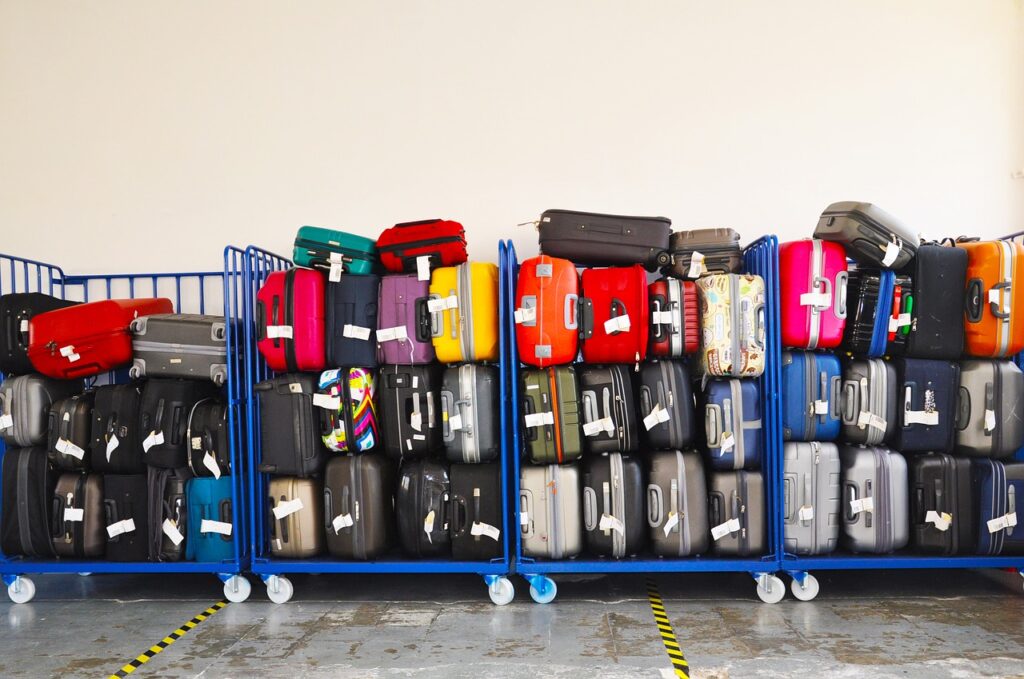
Choosing the right luggage is crucial for a smooth and enjoyable trip. Properly sized and selected luggage caters to the specific needs of your journey, from short weekend getaways to extended international adventures. This section explores the diverse types of luggage, considering their suitability for various trips and the essential factors to consider when making your selection.Selecting the appropriate luggage size and type is critical for ensuring a comfortable and efficient travel experience.
Different types of luggage cater to different needs, and knowing which is best suited for your trip will significantly enhance your journey. Furthermore, understanding airline and transportation regulations regarding luggage size and weight is paramount to avoiding potential issues at the airport or during transit.
Suitability of Different Luggage Types
Luggage types vary significantly, each with unique features and advantages. Suitcases, backpacks, and duffel bags are common choices, each designed for different travel styles and trip durations.
- Suitcases are typically preferred for longer trips due to their spacious interiors and sturdy construction. They are often equipped with wheels for easy maneuverability, making them ideal for navigating airports and crowded spaces. They also generally offer more compartments and organizational features than other types of luggage.
- Backpacks are a popular choice for travelers who prioritize portability and freedom of movement. Their design allows for hands-free carrying, making them well-suited for hiking, backpacking, or city explorations. Backpacks are especially practical for trips where you need to carry personal items and equipment easily and comfortably. They are also a better option when you anticipate carrying heavy items.
- Duffel bags are characterized by their large, open-top design. They are versatile and suitable for weekend trips or shorter vacations, allowing for easy packing and unpacking. Duffel bags are often more affordable than suitcases and backpacks, making them a cost-effective choice for short trips. They may be less structured and provide less compartmentalization than other options.
Airline and Transportation Size and Weight Restrictions
Understanding airline and transportation regulations regarding luggage size and weight is essential to avoid penalties or issues during travel. Oversized or overweight luggage can lead to extra fees or delays.
- Airline restrictions vary significantly between airlines and destinations. It’s crucial to check the specific size and weight limits for your chosen airline and destination. Websites of airlines and transportation companies often publish detailed information on luggage allowance.
- Transportation regulations differ for different modes of transportation, such as trains or buses. It is essential to be aware of the specific luggage policies of the chosen mode of transportation to avoid potential issues during travel. Checking the official website of the transportation company will provide precise information about their luggage policies.
Features to Consider When Choosing Luggage
Choosing the right luggage often involves considering specific features that enhance the travel experience. These features can range from maneuverability to security.
- Wheels and handles: Consider the type of wheels (spinner or standard) and the handle design. Spinner wheels allow for easy maneuverability in tight spaces, while standard wheels might be less convenient. A comfortable handle system is essential for carrying luggage over longer distances.
- Compartments and organization: The number and arrangement of compartments can significantly improve packing efficiency. Features like interior dividers or packing cubes can further optimize space utilization.
- Locks and security: Choosing luggage with a reliable lock system is vital for preventing theft or damage during travel. A combination lock or a TSA-approved lock are often recommended.
Rolling Luggage vs. Backpacks
The choice between rolling luggage and backpacks depends largely on the type of trip and personal preferences.
- Rolling luggage offers convenience for traveling long distances or through airports, as it allows for hands-free carrying and is generally more suitable for larger trips with numerous items. It’s an ideal option for carrying a significant amount of luggage.
- Backpacks are often preferred for shorter trips, hiking, or city exploration. They offer portability and freedom of movement, making them suitable for individuals who want to be more mobile during travel. They are also beneficial for carrying less bulky items or for trips where you need to have your hands free.
Packing Techniques
Packing efficiently is crucial for a smooth and stress-free trip. Proper packing techniques can save space, prevent items from shifting, and safeguard fragile items from damage. These methods are equally important for solo travelers and families, ensuring a well-organized and comfortable journey for everyone.Effective packing techniques are vital for optimizing luggage space and preventing potential travel hassles. By strategically arranging items, travelers can ensure their belongings remain secure and readily accessible throughout their journey.
This is particularly important when traveling with children or multiple people, where organization is paramount to maintain order and avoid chaos.
Maximizing Space
Careful planning and arrangement are essential for maximizing space in your luggage. The ‘roll’ method is a particularly effective way to save space and prevent items from shifting. Rolling clothes tightly into cylinders eliminates wrinkles and significantly reduces the amount of space they occupy. This is a highly practical method for maximizing packing space.
Packing Fragile Items
Fragile items require special care to prevent damage during travel. Enclosing these items in protective materials is paramount. Soft clothing or fabric can be used as cushioning between fragile items, ensuring they are adequately protected from impacts and shocks. Using sturdy boxes or containers can also provide additional protection. These items should be placed at the bottom of the luggage, surrounded by packing materials like bubble wrap or soft cloth, for extra safety.
Packing for Multiple People
Packing for multiple people, especially families with children, necessitates a methodical approach. A color-coded system can be incredibly helpful. Designate specific areas of the luggage for each person or type of item. This makes finding belongings easier and prevents mixing of items. Packing cubes can also be invaluable, dividing the luggage into sections for each person or type of item, which helps in maintaining organization.
Labeling these cubes further enhances the organization process.
Packing Shoes and Bulky Items
Shoes and bulky items can be challenging to pack without compromising space. Shoes can be placed at the bottom of the suitcase to utilize the space effectively. Consider using packing cubes or compression bags to minimize the space occupied by bulky clothing. Rolling or folding bulky clothing into compact shapes also helps to maximize space. These techniques can significantly reduce the amount of space needed for these items, which will make packing much easier.
Organization Inside the Luggage
Effective luggage organization is crucial for a smooth and enjoyable trip. Properly arranging items inside your luggage not only saves time but also prevents damage to fragile belongings and ensures everything is easily accessible. This section details strategies for maximizing space and minimizing stress during your travels.
Utilizing Packing Cubes
Packing cubes are invaluable tools for organizing clothing and other items. They offer a structured approach to packing, allowing you to compartmentalize clothing by type (e.g., shirts, pants, underwear) or use, (e.g., formal wear, casual wear). This method promotes efficient space utilization and minimizes the risk of clothing items getting wrinkled or mixed up. Packing cubes also aid in the quick retrieval of specific items, simplifying your travel experience.
- Compartmentalization: Packing cubes allow you to categorize clothes, separating items like shirts, pants, and underwear. This prevents mixing and ensures that items stay organized.
- Space Optimization: They significantly reduce wasted space within your luggage. Rolling clothing items into the cubes further maximizes space, especially when packing smaller bags.
- Damage Prevention: The cubes act as protective barriers, preventing clothing from getting wrinkled or damaged during transit. This is particularly helpful for delicate garments.
- Easy Retrieval: Locating specific items becomes much simpler, as you can quickly identify and retrieve what you need without rummaging through your luggage.
Organizing Toiletries and Electronics
Maintaining the organization of toiletries and electronics is essential to prevent spills and damage. Invest in small, airtight containers for liquids and gels. These containers not only keep your toiletries organized but also prevent leaks during transit. For electronics, use protective cases and packing materials to prevent scratches and breakage. Strategically placing these items within your luggage, potentially in designated pouches or compartments, is recommended to keep them readily accessible while preventing them from being jostled around.
- Liquid Container Organization: Employing small, airtight containers is a vital step in keeping toiletries organized and preventing spills. This method ensures that your toiletries remain contained during travel.
- Electronic Protection: Utilize protective cases and packing materials to guard electronics from scratches and damage. These measures will protect your valuable devices from potential harm.
- Designated Compartments: Designate specific areas or compartments for your toiletries and electronics within your luggage. This will make it easier to locate these items when you need them.
Packing Shoes, Accessories, and Electronics
Packing shoes, accessories, and electronics requires careful consideration to prevent damage and maintain easy access. Place shoes at the bottom of your luggage to provide a stable base and protect other items from being crushed. Use packing paper or other cushioning materials to protect delicate accessories from scratches or breakage. Electronic devices should be placed in protective cases to prevent damage from jostling.
- Shoe Placement: Placing shoes at the bottom of your luggage creates a stable foundation and prevents other items from being damaged by the pressure of the shoes.
- Accessory Protection: Use packing paper or soft cloths to cushion delicate accessories, such as jewelry or watches, preventing them from getting scratched or damaged during travel.
- Electronic Safety: Use protective cases or wrapping to ensure electronics are safe from damage during travel.
Utilizing Dividers, Pouches, and Organizers
Dividers, pouches, and other organizers are valuable for optimizing luggage space and keeping items separated. These accessories enhance organization and make it easier to locate specific items. For example, a set of dividers can separate different clothing categories, while pouches can be used for small accessories like jewelry. These methods ensure efficient use of space and easy retrieval of items during the trip.
- Segregating Items: Dividers and pouches facilitate the separation of different types of items within your luggage. This method will improve your ability to locate specific items quickly.
- Space Efficiency: These organizers help in optimizing the space within your luggage by preventing items from shifting or getting mixed up.
- Enhanced Accessibility: Easy access to specific items is facilitated through designated spaces, making it simpler to locate what you need.
Labeling and Identifying Items
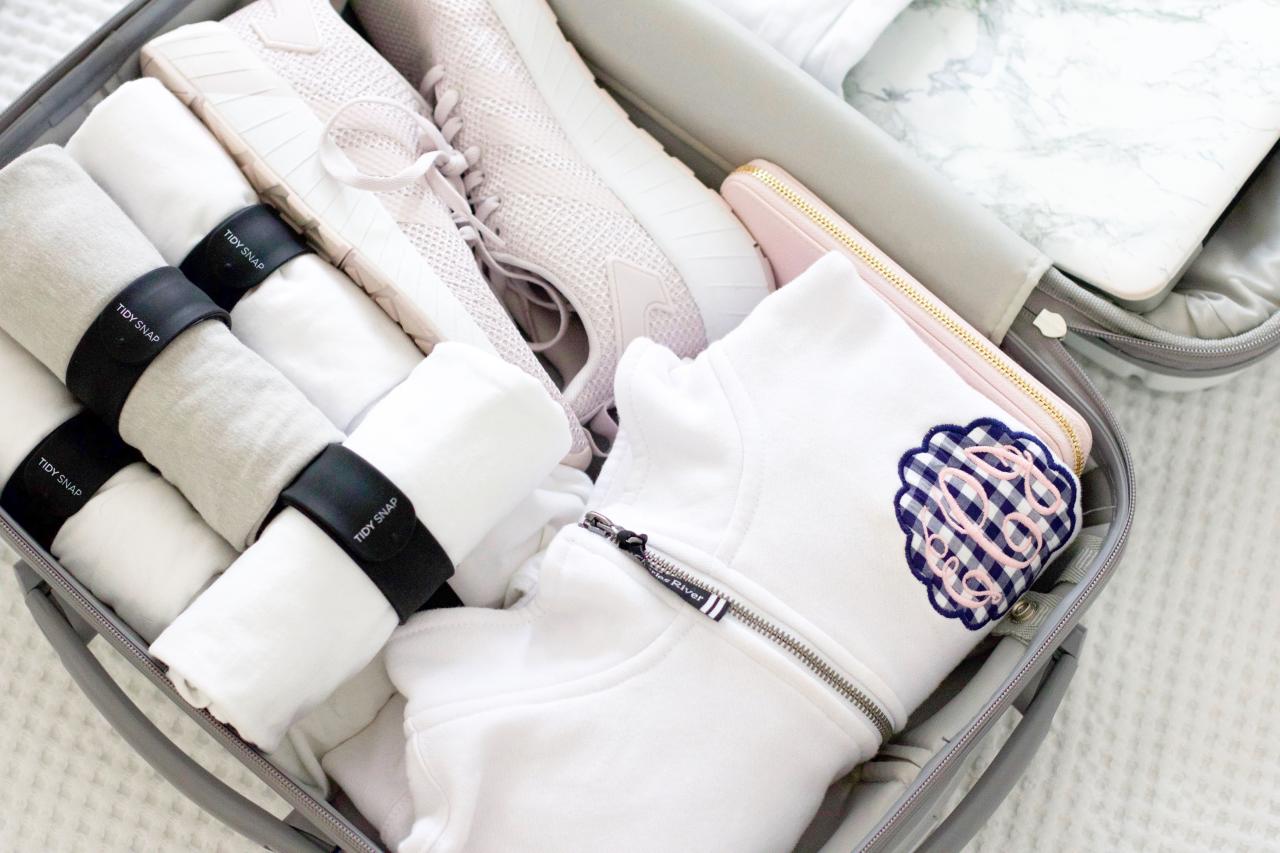
Properly labeling luggage and its contents is crucial for avoiding misplaced items and ensuring a smooth travel experience. A well-organized system for labeling will reduce stress and frustration, especially during busy travel periods. Clear identification of items will facilitate faster retrieval and prevent mix-ups, particularly when traveling with others.
Luggage Labeling System
A consistent labeling system for luggage is essential. This includes not only the luggage itself but also each item within. This will streamline the process of identifying your luggage and contents. Using a consistent method for labeling prevents confusion and ensures that your belongings are easily retrieved.
- Luggage Tags: Use durable, waterproof luggage tags with your full name, address, and contact information. For international travel, include your passport number. These tags should be affixed securely to the luggage handle and visible from all angles. Consider adding a brightly colored tag with a unique identifier for easy visual recognition, such as a small sticker with a unique symbol.
This helps distinguish your luggage from others, particularly in crowded environments.
- Item Identification: Label each item of clothing, accessories, and personal care products with a sticker or tag containing a brief description (e.g., “Black dress,” “Wallet,” “Laptop”). This will help you quickly locate items within your luggage. Using a color-coded system for different categories (e.g., red for electronics, blue for documents) can further enhance the identification process.
- Clear and Visible Labels: Ensure that all labels are clear, legible, and waterproof. Use a permanent marker or stickers to create durable labels that withstand travel conditions. If using stickers, choose ones with strong adhesive to prevent them from detaching during travel. Avoid using labels that can easily tear or fade.
Identifying Clothing and Accessories
A structured approach to labeling clothing and accessories is crucial for quick retrieval and organization. A visual system that can be implemented quickly and effectively, without extensive preparation, is highly recommended. Using a color-coded system, for instance, helps identify clothing items quickly and efficiently.
- Color-Coding: Assign a color to each category of clothing or accessory. For example, red for tops, blue for bottoms, and green for shoes. Use these colors consistently on labels or stickers for each item.
- Item Descriptions: Include brief descriptions with each item’s label. For example, instead of simply labeling “Dress,” include “Black knee-length dress,” “silk.” This provides more information for faster retrieval and minimizes confusion.
- Location Markers: Using a system of small markers, labels, or stickers on specific areas within the luggage (e.g., “Top Drawer,” “Middle Compartment”) can help locate items more quickly. This is especially beneficial for larger suitcases with multiple compartments.
International Travel Labeling
When traveling internationally, the labeling of luggage and items requires extra care. Accurate and comprehensive labeling is vital for smooth customs procedures and efficient baggage handling. Consider the specific requirements of your destination and airline.
- Passport Information: Include your passport number on your luggage tags and any important documents. This information is crucial for customs officials. Be aware that some countries may require specific information on luggage labels.
- Contact Information: Ensure that your contact information is easily visible and includes both your home phone number and a local phone number if available. This will assist in case of lost luggage.
- Customs Declarations: If applicable, include any required customs declarations or forms on your luggage tags or within your luggage.
- Airline Requirements: Familiarize yourself with the specific luggage labeling requirements of the airline you are using. Follow their guidelines carefully for international travel. Some airlines may have specific instructions for labeling luggage.
Preventing Damage During Travel
Protecting your belongings during travel is crucial for a smooth and enjoyable journey. Careful packing techniques and the right materials can significantly reduce the risk of damage to fragile items like electronics, glasses, and even clothing. This section details strategies to ensure your luggage arrives safely at your destination.Careful packing is essential to prevent damage during travel. Packing with a methodical approach and understanding how different items react to impact and jostling will help you maintain the integrity of your belongings.
This involves using appropriate packing materials to cushion and protect fragile items. Also, choosing the right packing techniques and understanding the potential hazards during transport is critical.
Protecting Fragile Items
Careful handling of fragile items, like electronics and glasses, is paramount. These items are susceptible to damage from impact and jostling. Enclosing them in protective cases, preferably with cushioned interiors, is highly recommended. For example, wrapping electronics in bubble wrap or soft cloth before placing them in a hard-shell case will prevent them from shifting around during travel.
Packing to Prevent Impact Damage
Properly packing items to prevent damage from impact and jostling is essential. Use packing materials like bubble wrap, packing peanuts, or soft cloth to create a protective layer around fragile items. This technique creates a buffer between your items and the inside of your luggage, reducing the risk of impact damage. Place heavier items at the bottom of your luggage, and distribute weight evenly.
Cushioning Delicate Items with Packing Materials
Selecting the appropriate packing materials for delicate items is vital. Bubble wrap, packing peanuts, or soft cloth offer excellent cushioning. For example, wrapping delicate glassware in several layers of bubble wrap and placing it inside a sturdy box will protect it from damage. Consider the specific fragility of the item when selecting packing materials.
Protecting Clothing from Wrinkles
Wrinkles are a common problem when traveling, especially with clothing. Using garment bags or rolling clothes instead of folding them is an effective technique. Rolling clothes tightly reduces the space they occupy and minimizes the opportunity for them to wrinkle. Placing clothes in a garment bag also protects them from dust, dirt, and other environmental factors.
Managing Documents and Valuables
Properly managing documents and valuables is crucial for a smooth and secure travel experience. Mishandling important papers or losing valuable items can lead to significant stress and inconvenience. This section Artikels strategies for organizing and securing these items, ensuring they are readily accessible and protected throughout your journey.Careful planning and organization are essential for keeping travel documents and valuable items safe.
This includes not only storing them securely but also making sure they are easily retrievable when needed. By following these tips, you can mitigate risks and ensure a more relaxed and enjoyable trip.
Organizing Important Documents and Travel Papers
Thorough organization of documents and travel papers prevents misplacement and facilitates quick retrieval. A dedicated, easily accessible area within your luggage is key to maintaining control.
- Passport and Visas: These are paramount. Keep them in a separate, easily accessible, and secure pocket or compartment within your luggage. Avoid placing them in the main compartment, where they could be easily lost or damaged. Consider using a transparent, zippered pouch or sleeve to quickly locate them.
- Tickets and Reservations: Store all flight, train, and accommodation tickets together in a dedicated folder or envelope. Keep digital copies of these in a separate location (cloud storage, email) for backup in case of loss or damage to your physical tickets. This can help expedite re-booking or rescheduling if necessary.
- Insurance Information: Keep copies of your travel insurance documents readily available. Include contact information for your insurance provider. Store this alongside your tickets and reservations for quick access in case of an emergency.
- Emergency Contacts: Create a list of emergency contacts and store it alongside your other documents. Consider a waterproof pouch or sleeve to ensure it stays dry.
Securing Valuable Items
Protecting valuable items is paramount during travel. This includes not just expensive jewelry but also items like electronics and cash.
- Dedicated Compartments: Use internal pockets or compartments in your luggage specifically designed for valuables. Ensure these compartments are locked or zipped for added security.
- Hidden Pockets: Internal pockets are often well-hidden, and can offer a layer of security against theft. These are great for smaller, high-value items like jewelry or electronics.
- Security Measures: Consider using travel-safe locks or security pouches to further enhance the security of valuable items. This extra layer of security is particularly important when checking luggage.
- Travel-Sized Containers: Employ small, travel-sized containers or pouches for smaller valuables, ensuring they are readily available for immediate access. This helps to prevent them from being misplaced within the luggage.
Keeping Documents and Information Readily Accessible
Quick access to crucial documents during travel is vital for a stress-free journey.
- Clear Labeling: Clearly label compartments containing important documents, such as “Passport,” “Tickets,” or “Valuables.” This improves the ease of locating them.
- Dedicated Folder: Use a dedicated folder or envelope for all travel documents, making them easily identifiable and accessible. This helps you avoid rummaging through your luggage.
- Quick-Retrieval System: Develop a quick-retrieval system for essential documents, for example, a dedicated luggage compartment or designated pocket, to improve accessibility during travel.
- Backup Copies: Creating backup copies of important documents, like passport details or flight information, on a secure device or online storage is highly recommended. This provides a safeguard against loss or damage to the original documents.
Securing Passports and Other Vital Documents
Passports and other vital documents should be treated with the utmost care.
- Secure Storage: Store your passport in a secure, separate pocket or compartment within your luggage, preferably in an easily accessible area. Avoid storing it in the main luggage compartment.
- Avoid Overcrowding: Prevent crowding within your luggage, as this can increase the risk of damage to your passport and other documents.
- Proper Handling: Handle your passport with care, avoiding any unnecessary bending or folding. This protects its integrity and prevents damage.
- Check Policies: Familiarize yourself with the security and storage guidelines for passports, as this can vary by country.
Maintaining Luggage Condition
Proper luggage care is essential for extending its lifespan and ensuring smooth travel experiences. Regular maintenance prevents premature wear and tear, preserving its structural integrity and functionality. By following these guidelines, you can keep your luggage looking its best and ready for your next adventure.Luggage, like any other item, deteriorates over time. The frequent handling, exposure to various weather conditions, and the constant stress of travel take a toll on its material.
Implementing simple cleaning and care routines significantly increases its longevity and reduces the need for costly replacements. This section Artikels effective strategies for maintaining luggage in optimal condition, from cleaning techniques to repair methods.
Cleaning Luggage
Maintaining cleanliness is crucial for preventing the build-up of dirt, grime, and stains that can damage the material and compromise the appearance of your luggage. Regular cleaning will also help to prevent the growth of mold and mildew, especially in humid climates.
- Soft-sided luggage: Soft-sided luggage, typically made of fabric or plastic, requires a different cleaning approach than hard-sided luggage. For fabric luggage, use a damp cloth or sponge with mild soap and water. Avoid harsh chemicals or abrasive cleaners that could damage the fabric. Allow the luggage to air dry completely before storing. For plastic luggage, use a damp cloth or sponge with mild soap and water.
Wipe clean and dry thoroughly. Avoid using abrasive materials, which could scratch the surface.
- Hard-sided luggage: Hard-sided luggage, often made of polycarbonate or ABS plastic, can be cleaned with a damp cloth or sponge and mild soap and water. For tougher stains, a mild dish soap solution might be effective. Ensure thorough drying to prevent water damage and mold growth. Avoid using abrasive cleaners or scouring pads, as they could scratch the surface.
Never submerge hard-sided luggage in water.
- Leather luggage: Leather luggage requires specialized care. Use a leather cleaner and conditioner specifically designed for the type of leather used. Follow the product instructions carefully. A soft cloth should be used for application and buffing. Avoid excessive moisture.
Maintaining Luggage Over Time
Proper storage and handling practices are crucial for prolonging the lifespan of your luggage. These strategies will help to prevent damage and ensure your luggage remains in top condition for years to come.
- Storage: Store luggage in a cool, dry place away from direct sunlight and excessive heat. Avoid storing it in damp areas or places where it might be exposed to extreme temperatures, as this can lead to warping or cracking. When storing luggage, ensure it is completely dry to prevent mold or mildew growth.
- Handling: Avoid dragging or dropping your luggage, as this can cause damage to the handles, wheels, and other components. Always lift your luggage using both hands and distribute the weight evenly to avoid strain on specific parts.
- Weight Management: Avoid overfilling your luggage. Overloading can strain the zippers, handles, and other structural components, leading to premature wear and tear. Distribute the weight evenly inside the luggage for better balance and handling.
Repairing Minor Damages
Minor damages to luggage can often be repaired, extending its lifespan and preventing the need for replacement. Address these issues promptly to maintain the functionality and aesthetic appeal of your luggage.
- Zipper Repair: A stuck or broken zipper can be a significant problem. If the zipper is partially broken, you can try using a zipper repair kit. If the zipper is completely broken, you may need to replace the zipper.
- Handle Repair: If a luggage handle is damaged, you can use a handle repair kit to fix the problem. If the handle is severely damaged, consider replacing the entire handle.
- Scratch Repair: Minor scratches on the surface of luggage can often be addressed with a touch-up kit designed for the specific material of the luggage. Avoid using abrasive materials or harsh chemicals that could worsen the damage.
Tips for Traveling with Specific Items

Traveling with specific items, such as sports equipment, musical instruments, or delicate electronics, requires careful planning and consideration. Proper packing techniques can significantly enhance your travel experience by ensuring the safety and security of these items throughout your journey. This section will detail how to pack for various items, keeping them secure, and maintaining their condition throughout the trip.
Packing Sports Equipment
Careful planning is essential when packing sports equipment. Ensuring that your gear is protected and organized within your luggage is crucial. Consider using specialized packing cubes or compression sacks to maximize space and prevent damage to your equipment. Use packing straps or other secure methods to keep the equipment from shifting during transit. For example, tennis rackets should be placed in a padded compartment or case.
- Sports Equipment Cases: Employing protective cases or bags for equipment like golf clubs, skis, or hockey sticks will safeguard them from scratches and dents during transport. Consider using a durable, waterproof case to provide an extra layer of protection.
- Proper Securing: Utilize straps or bungee cords to secure the equipment within your luggage, preventing it from shifting or damaging other items during travel. This is particularly important for items like surfboards or bicycles.
- Space Optimization: Employ packing cubes or compression sacks to compress items like clothing or towels. This will create more space for larger sporting equipment. For example, if you are traveling with a surfboard, a compression sack can reduce its size.
Packing Musical Instruments
Protecting delicate musical instruments during travel requires specialized care. Using appropriate cases, padding, and securing methods will safeguard your instrument from damage. Transporting instruments in dedicated cases, padded with soft materials, will protect them from impacts and vibrations. For example, a cello or violin should be carefully packed in its hard case, ensuring all the necessary parts are secured.
- Instrument Cases: Invest in a hard-shell case specifically designed for your instrument to protect it from impacts and vibrations. Consider padding the case with soft materials or blankets to further safeguard the instrument.
- Secure Storage: Use straps, clips, or other secure methods to fasten the instrument case inside your luggage, preventing it from shifting during transport.
- Prioritize Safety: If traveling with a fragile instrument, such as a flute or a saxophone, place it in the most secure area of your luggage to avoid potential damage during transit.
Packing Bulky Electronics
Packing bulky electronics requires careful consideration of both space and protection. Utilizing appropriate packaging materials will protect electronics from damage during transit. Use sturdy boxes, packing peanuts, or bubble wrap to cushion your electronics. Securely fasten the electronics within the luggage to prevent shifting during transport.
- Protective Packaging: Utilize packing materials such as bubble wrap or packing peanuts to prevent damage to electronics during transport. Use sturdy boxes or cases for extra protection.
- Secure Placement: Securely place bulky electronics within the luggage using straps or other securing methods. This will prevent them from shifting and causing damage to other items during transport.
- Consider Climate Control: For delicate electronics, such as laptops or tablets, consider placing them in a climate-controlled area of your luggage to prevent damage from extreme temperatures.
Packing Temperature-Sensitive Items
Temperature-sensitive items, such as medications or perishable food, require careful consideration of their storage during travel. Maintaining the appropriate temperature for these items is crucial to their safety and efficacy. Use insulated containers or coolers to maintain the required temperature for these items. Employ ice packs or cooling gels to maintain the temperature. For example, if traveling with perishable food, consider using a cooler with ice packs.
- Insulated Containers: Use insulated containers or coolers to maintain the appropriate temperature for medications or perishable food.
- Ice Packs/Cooling Gels: Use ice packs or cooling gels to maintain the required temperature for temperature-sensitive items. This will prevent spoilage or deterioration.
- Proper Labeling: Clearly label temperature-sensitive items with their required temperature range to ensure proper handling by airport staff.
Packing for Specific Events
Packing for specific events, such as a conference or sporting event, requires anticipating the necessary items. Plan your packing based on the specific requirements of the event. For a conference, pack appropriate attire, documents, and technology. For a sporting event, pack sports attire, equipment, and necessary accessories.
- Conference: Pack professional attire, any necessary documents, and technology such as laptops or tablets.
- Sporting Event: Pack appropriate sports attire, equipment, and any necessary accessories. Check if there are specific requirements for the event.
- Check Event Guidelines: Before packing, ensure you have reviewed all event guidelines and requirements.
Accessibility and Efficiency
Maximizing the efficiency of your packing and luggage organization is crucial for a smooth and stress-free travel experience. By strategically arranging your belongings, you can quickly access essential items without fumbling through your luggage. This section details strategies for quick access to frequently used items, methods for easily locating specific items, and a packing method that allows for quick retrieval.Efficient luggage organization allows for effortless retrieval of necessary items when needed.
By prioritizing accessibility, you can spend less time searching and more time enjoying your journey. This includes considering the layout of your luggage, the placement of items, and the overall packing technique.
Strategies for Quick Access to Frequently Used Items
Prioritizing the placement of frequently used items in easily accessible locations within your luggage is key. This approach ensures that you can quickly retrieve these items without extensive searching. A well-organized packing strategy can minimize travel stress.
- Place toiletries, medications, and electronics in a dedicated pouch or compartment near the top of the luggage. This facilitates quick access when needed.
- Keep frequently used clothing items, such as underwear and socks, near the top or in a separate easily accessible compartment. This simplifies getting ready for the day.
- Organize documents and important papers in a transparent file or folder that is easily visible within the luggage. This approach minimizes the time spent locating necessary documents.
Methods for Easily Locating Specific Items in Luggage
Implementing clear labeling and compartmentalization can significantly improve the efficiency of locating specific items in your luggage. A well-labeled system reduces the risk of misplacing items and makes retrieval a breeze.
- Use clear and visible labeling for different sections of your luggage. Labeling can be done with luggage tags, markers, or even sticker labels for various compartments or areas.
- Organize similar items together within specific compartments. This allows for easy identification and retrieval. For example, keeping all toiletries in one section of your luggage.
- Utilize color-coding or other visual cues to differentiate different types of items. This helps you quickly identify items based on their appearance. For instance, you can use colored packing cubes for different clothing categories.
A Packing Method for Quick Retrieval of Items
A systematic packing approach allows for quick retrieval of essential items. The correct packing strategy ensures that you can quickly locate items when needed, thus saving time and minimizing stress.
- Fold clothing items neatly and arrange them in a specific order, placing less frequently used items towards the back or bottom of your luggage. This helps to prevent items from being lost or tangled during travel.
- Use packing cubes or containers to organize different clothing categories and items. This approach ensures that each item is easily identifiable and accessible.
- Place frequently used items, such as medications and personal care items, in a dedicated section that is easily accessible.
Organizing Luggage for Easy Access to Essentials
Efficient organization of your luggage ensures that essentials are easily accessible when needed. This method allows for stress-free retrieval of necessary items during travel.
- Use clear containers or pouches to keep similar items together. This approach enhances organization and makes it easy to find what you need.
- Place frequently used items near the top or side of your luggage, such as toiletries, medications, or electronics. This facilitates quick retrieval when needed.
- Utilize the space within your luggage effectively by stacking items or using vertical space for compartmentalization.
Troubleshooting and Problem Solving
Luggage organization is a multifaceted process, and unexpected challenges can arise during travel. This section details common problems and provides practical solutions to ensure a smooth and stress-free journey. Understanding how to address these issues can prevent frustration and allow you to focus on enjoying your trip.Effective problem-solving during travel often hinges on proactive planning and adaptability. Recognizing potential issues and having strategies in place can significantly mitigate the impact of unexpected events.
This section will address issues from insufficient packing space to lost luggage, equipping travelers with tools to overcome these hurdles.
Identifying Common Luggage Organization Problems
Common luggage organization problems often stem from inadequate planning or improper packing techniques. Recognizing these issues early on can help to prevent them from escalating into major problems. Poorly organized luggage can lead to wasted space, damaged items, and difficulty finding necessary belongings.
- Insufficient Space: Overpacking is a frequent cause of space constraints. This can lead to items being crushed, folded awkwardly, or even becoming lost within the luggage. Using packing cubes or compression bags can significantly improve space utilization, making it easier to fit everything needed while minimizing damage.
- Damaged Items: Rough handling during transport or improper packing can lead to items getting damaged. Using appropriate packing materials, such as packing paper or bubble wrap, to cushion delicate items can significantly reduce the risk of damage.
- Lost or Misplaced Items: If luggage is mishandled or transferred incorrectly during transport, items may become misplaced or lost. This can be avoided by carefully labeling and organizing items within the luggage, using packing cubes or dividers for compartmentalization.
Resolving Packing Challenges
Addressing packing challenges requires a flexible approach and an understanding of the specific problem. Overcoming packing challenges like insufficient space or damage to items requires proactive planning and efficient packing strategies.
- Insufficient Space: If you find yourself running out of space, consider carefully evaluating what items are truly essential. Discard non-essentials, or if you must bring them, use packing cubes or compression bags to maximize space. Folding clothes strategically can also free up extra space.
- Damage to Items: Protecting delicate items during packing is crucial. Soft, flexible packing materials like packing paper, bubble wrap, or even old socks can cushion items and prevent them from being damaged. Wrapping fragile items in multiple layers of paper can add extra protection.
Addressing Lost or Misplaced Items
Losing or misplacing items during travel can be frustrating, but several steps can help mitigate the impact. Proper labeling and careful tracking of luggage are essential in reducing the likelihood of such issues.
- Lost Items: In the event of lost luggage, promptly file a claim with the airline or transportation company. Document the lost items and provide detailed information to facilitate recovery efforts. If possible, take photos or videos of the items before packing to assist with the claim process.
- Misplaced Items: If an item is misplaced within your luggage, carefully search all compartments and pockets. Thorough checks of the luggage can lead to the discovery of misplaced items. Consider using luggage dividers to keep items organized and prevent them from shifting or getting lost.
Handling Damaged or Lost Luggage
Dealing with damaged or lost luggage requires a systematic approach to ensure the appropriate steps are taken to resolve the issue. Understanding the process involved can help mitigate potential financial and logistical challenges.
- Damaged Luggage: If luggage is damaged, immediately report it to the airline or transportation company. Document the damage with photographs and obtain a damage report. This documentation will be vital for filing a claim and initiating the repair or replacement process.
- Lost Luggage: If luggage is lost, contact the airline or transportation company as soon as possible. Follow their instructions carefully and keep detailed records of all communications. Filing a claim, providing accurate information, and keeping track of communications are essential for recovering lost luggage.
Conclusion
In conclusion, this comprehensive guide to luggage organization provides practical tips and strategies to streamline your packing process and ensure a stress-free travel experience. By understanding packing essentials, luggage selection, packing techniques, and organization within your bags, you can effectively manage your belongings and prioritize efficiency and peace of mind during your travels. Remember, meticulous preparation translates to a more enjoyable and less stressful trip.