Traveling offers incredible opportunities for personal growth and exploration, but effective time management is crucial for maximizing your experiences. This guide delves into practical strategies for planning, executing, and adapting your travel schedule, ensuring you make the most of every moment, from pre-trip preparation to post-trip reflection. We’ll cover everything from crafting detailed itineraries to utilizing technology for efficiency and adapting to unexpected circumstances, all while prioritizing your well-being and respecting local cultures.
By mastering the art of time management, you can transform your travel experience from a series of rushed activities into a journey filled with rich memories, meaningful connections, and profound personal development. This comprehensive guide provides a roadmap for creating an itinerary that balances adventure with relaxation, efficiency with spontaneity, and personal well-being with cultural understanding.
Planning & Preparation
Effective travel planning is crucial for a smooth and enjoyable experience. It involves meticulous preparation, research, and organization to maximize your time and minimize stress. A well-structured plan allows you to focus on the journey’s highlights and ensures you’re well-prepared for any potential challenges. This section will delve into the key elements of planning and preparation, from detailed itineraries to essential pre-trip checklists.Careful planning helps you make the most of your time, ensuring that you experience the destinations you visit in the most enriching way.
Seven-Day Trip Itinerary
A well-defined itinerary for a 7-day trip is essential for efficient time management. The following example focuses on maximizing your time and balancing activities with rest.
- Day 1: Arrival and City Exploration: Arrive at the destination, check into your accommodation, and then explore the city center. Allow 2-3 hours for travel, 2 hours for check-in, and 4-5 hours for exploration, including lunch. Rest time: 1 hour.
- Day 2: Historical Sites and Local Cuisine: Visit significant historical sites, followed by a culinary exploration of local cuisine. Allow 3-4 hours for historical sites, 1-2 hours for lunch, and 2 hours for local food experiences. Rest time: 1 hour.
- Day 3: Nature or Cultural Immersion: Choose between a nature-based excursion or a cultural immersion experience. Allow 4-5 hours for the activity, 1-2 hours for lunch, and 1 hour for travel. Rest time: 1 hour.
- Day 4: Day Trip or Relaxation: Take a day trip to a nearby town or enjoy a relaxing day at your accommodation. Allow 4-5 hours for a day trip, or dedicate the entire day to relaxation. Rest time: 1-2 hours.
- Day 5: Shopping and Souvenir Hunting: Spend the day exploring local markets, shopping for souvenirs, and experiencing the local shopping scene. Allow 3-4 hours for shopping and 2-3 hours for souvenir hunting. Rest time: 1 hour.
- Day 6: Preparation for Departure: Enjoy a leisurely breakfast and prepare for your departure. Allow 1-2 hours for packing, 1 hour for breakfast, and 2-3 hours for final activities. Rest time: 1 hour.
- Day 7: Departure: Depart from the destination, considering travel time. Allow 2-3 hours for travel to the airport.
Solo Backpacking Trip Itinerary
A solo backpacking trip requires a more adaptable itinerary. This example prioritizes flexibility and cost-effectiveness.
- Day 1: Arrival and Orientation: Arrive at the destination, find your accommodation, and familiarize yourself with the area. Possible challenges: navigating unfamiliar public transport or dealing with lost luggage.
- Day 2: City Exploration: Explore the city’s highlights, including museums, historical sites, or local markets. Possible challenges: language barriers, dealing with crowds.
- Day 3-5: Hiking or Local Experiences: Explore hiking trails or immerse yourself in local experiences like cooking classes or visiting local villages. Possible challenges: finding suitable accommodation and transport, adapting to unexpected weather.
- Day 6: Preparation for Departure: Pack and finalize your plans for the departure. Possible challenges: last-minute issues with booking or travel arrangements.
- Day 7: Departure: Depart from the destination, considering travel time.
Packing Light
Packing light is essential for efficient travel. It minimizes the burden and allows for more spontaneity.
- Choose versatile clothing items: Choose clothing that can be mixed and matched to create different outfits. For example, a neutral-colored t-shirt can be worn with multiple bottoms.
- Roll your clothes: Rolling clothes saves space and prevents wrinkles compared to folding them.
- Pack only essential items: Make a list of essential items before packing to avoid overpacking.
- Use packing cubes: Packing cubes organize clothes and keep them separate.
Destination Research
Thorough destination research is crucial for planning a successful trip.
- Budgeting: Create a detailed budget that includes accommodation, food, activities, and transportation costs. Research the average prices of accommodations, meals, and activities to create a realistic budget.
- Transportation: Research the most efficient and cost-effective transportation options, such as public transportation, ride-sharing services, or rental cars.
- Local Customs: Research local customs and etiquette to avoid misunderstandings and show respect for the local culture.
Pre-Trip Checklist
A pre-trip checklist ensures you have all the necessary documents and preparations in place.
- Visa requirements: Check visa requirements for your destination and apply for necessary visas well in advance.
- Vaccinations: Consult your doctor about necessary vaccinations and ensure you are up to date on your vaccinations.
- Essential documents: Ensure you have copies of your passport, visa (if required), and other essential documents.
Travel Styles Comparison
Different travel styles have varying implications for time management.
| Travel Style | Time Management Implications |
|---|---|
| Backpacking | Requires flexibility and adaptability to changing schedules and unexpected events. |
| Luxury Travel | Often involves pre-booked tours and activities, allowing for a more structured schedule. |
| Family Travel | Requires meticulous planning for the needs of all family members, including children. |
Time Management Techniques
Effective time management is crucial for a productive and enjoyable travel experience. Understanding how to allocate your time wisely allows you to maximize your experiences and minimize stress, enabling you to fully appreciate the destination and avoid feeling rushed or overwhelmed. By employing proven strategies, you can create a schedule that caters to your needs and preferences, optimizing your travel experience.Successful time management during travel hinges on the ability to set realistic goals, prioritize tasks, and incorporate flexibility.
This involves careful planning, understanding local customs and time zones, and adapting to unexpected delays. By implementing these strategies, you can maintain a sense of control and purpose, ensuring a smoother and more rewarding journey.
Setting Realistic Daily Goals
Establishing realistic daily goals is paramount for a stress-free travel experience. These goals should be specific, measurable, achievable, relevant, and time-bound (SMART). Avoid over-scheduling your days, allowing room for spontaneity and unexpected events. For example, a goal of “explore the city center” is less effective than “visit the city hall, explore the main square, and have lunch at a local restaurant by 2 PM.” This breakdown provides clear objectives and a sense of accomplishment as you complete each step.
Prioritizing Tasks and Activities
Prioritizing tasks and activities is a key aspect of effective time management. The Eisenhower Matrix, a popular tool, categorizes tasks based on urgency and importance. Urgent but not important tasks should be delegated or minimized if possible. Important but not urgent tasks should be scheduled in advance. This helps focus on activities that contribute to the overall travel goals.
Time-Blocking Methods for Optimizing Travel Time
Time-blocking is a powerful technique for maximizing travel time. It involves allocating specific time slots for different activities in your daily schedule. This approach ensures you dedicate adequate time for each task and minimizes wasted time. For instance, dedicating two hours for exploring a museum, followed by one hour for lunch, and another two hours for visiting nearby attractions, provides a structured framework.
Incorporating Buffer Time
Buffer time is crucial for unexpected delays. Incorporating buffer time into your itinerary is essential to maintain flexibility and avoid feeling rushed. These buffer periods can be used for unforeseen circumstances, such as traffic jams, unexpected closures, or simply relaxing. For example, adding a 30-minute buffer between appointments allows for travel time and unexpected delays.
Learning Local Time and Adapting Your Schedule
Understanding the local time zone is essential for effective time management. Adjusting your schedule to the local time allows you to engage with local activities and customs more seamlessly. This adaptation can also help you avoid missing important events or deadlines. For example, if you are traveling to a country with a different time zone, ensure your schedule reflects the local time.
Staying Productive While on the Go
Maintaining productivity while traveling requires adaptability and strategic planning. Utilize travel-friendly tools, such as mobile apps for scheduling and communication. Break down tasks into smaller, more manageable chunks. This allows for focused work sessions and prevents feeling overwhelmed by the totality of the task. Employing these strategies, you can stay productive even while on the go.
Balancing Activities & Relaxation

Maintaining a healthy balance between exciting activities and well-deserved relaxation is crucial for a fulfilling travel experience. Over-scheduling can lead to stress and diminish the enjoyment of your journey. Planning for downtime allows you to fully appreciate the destination and its unique offerings.Effective travel planning involves incorporating both stimulating activities and opportunities for rest and rejuvenation. This approach ensures a more balanced and enjoyable experience, preventing burnout and maximizing the potential for memorable moments.
By strategically incorporating relaxation into your itinerary, you can avoid feeling overwhelmed and appreciate the nuances of your destination.
Scheduling Downtime and Relaxation
Integrating relaxation into your travel itinerary is essential for a positive experience. Allocate specific time slots for rest, reflection, and rejuvenation. This could involve a leisurely morning stroll, a quiet afternoon at a café, or simply finding a peaceful spot to unwind. These moments of tranquility can be incorporated into your daily schedule, alongside planned activities.
Relaxation Techniques
A variety of relaxation techniques can be incorporated into your travel routine. These techniques can enhance your well-being and contribute to a more enriching travel experience. Mindfulness exercises, such as deep breathing and meditation, are easily adaptable to various settings. Yoga poses can be practiced in hotels, hostels, or even on the beach. The following table Artikels various relaxation techniques, including examples of how to implement them while traveling:
| Technique | Description | Implementation while traveling |
|---|---|---|
| Mindfulness Meditation | Focusing on the present moment without judgment. | Find a quiet spot, close your eyes, and focus on your breath. Practice this daily, even for a few minutes. |
| Deep Breathing Exercises | Consciously regulating your breath to reduce stress. | Practice deep breaths in various locations, especially before and after activities. Consider using a guided meditation app. |
| Yoga | Physical postures and breathing techniques for flexibility and mental clarity. | Look for yoga classes at your hotel or in local studios. Many hostels offer yoga sessions. Even simple stretches in your room can be beneficial. |
| Progressive Muscle Relaxation | Tensing and releasing different muscle groups to relieve physical tension. | Practice this technique in your hotel room or during a layover. |
| Nature Walks | Spending time in nature to reduce stress and improve mood. | Explore local parks or nature trails. |
Incorporating Spontaneous Activities
Spontaneity can enrich a travel experience. Allowing for flexibility in your itinerary allows for unexpected discoveries. This can include wandering through a local market, taking a different route, or engaging in a local activity you stumble upon. Building buffer time into your schedule can create space for these spontaneous adventures.
Avoiding Over-Scheduling and Burnout
Over-scheduling can lead to burnout, diminishing the joy of travel. Prioritize activities that truly excite you, and be realistic about your energy levels. Avoid overfilling your itinerary with back-to-back activities. Allow for downtime and flexibility to adjust to unexpected circumstances. Learn to say “no” to commitments that don’t align with your goals.
Prioritizing experiences over sheer quantity is key to avoiding burnout.
Incorporating Local Experiences
Local experiences can significantly enhance your travel experience. Engage with local communities by visiting local markets, taking cooking classes, or attending cultural events. However, it’s crucial to respect local customs and traditions. Engage with locals respectfully, ask for guidance from locals, and be mindful of cultural norms. Researching local customs and traditions beforehand can foster meaningful interactions and contribute to a richer travel experience.
Utilizing Technology for Efficiency
Leveraging technology can significantly enhance your travel experience, allowing for smoother planning, seamless communication, and optimized resource management. From meticulously scheduling activities to effortlessly navigating unfamiliar terrains, technology provides invaluable tools for effective time management during your journey. This section will detail how to use mobile apps, online resources, and digital tools to maximize your travel efficiency and minimize stress.
Mobile Apps for Trip Planning, Scheduling, and Communication
Mobile applications offer comprehensive tools for trip organization, streamlining the planning and execution phases. Dedicated travel apps often provide functionalities for creating itineraries, managing bookings, and facilitating communication with travel companions. These apps can integrate seamlessly with other services, ensuring all necessary information is accessible in a single location. For instance, many apps allow you to book flights, hotels, and activities directly through the platform, minimizing the need for multiple logins and portals.
Online Resources for Research and Booking Travel Arrangements
Numerous online resources offer extensive information for travel research and booking. Websites specializing in travel aggregators and comparison tools allow users to quickly compare prices and services across various providers. This facilitates a more informed decision-making process, ensuring you secure the best possible deals. For example, websites like Kayak, Expedia, or Google Flights provide a centralized platform to search for flights, hotels, and rental cars, empowering you to compare options from different providers.
Managing Digital Devices While Traveling
To avoid distractions and maintain focus during your trip, strategies for managing digital devices are essential. Prioritize tasks and allocate specific time slots for checking emails or social media. Set clear boundaries between work or personal time and travel time. Employ features like airplane mode or specific app restrictions to minimize interruptions.
Utilizing Mobile Apps for Navigation and Local Information
Mobile navigation apps provide accurate and real-time directions, making navigation in unfamiliar areas easier. Apps like Google Maps or Waze offer detailed maps, turn-by-turn directions, and traffic updates, allowing you to navigate efficiently. Many apps also integrate with local information sources, providing real-time insights into local events, restaurants, and attractions. This comprehensive approach can ensure a seamless and enjoyable travel experience.
Creating a Digital Travel Journal
Digital travel journals provide a convenient and organized way to document your trip. Dedicated apps or even a simple note-taking app on your phone can serve as a platform for capturing memories, reflections, and experiences. Use features like photos, videos, and voice memos to enrich your journal entries. This method ensures you can effortlessly relive your adventures upon returning home.
Using a Digital Calendar to Track Travel Plans and Deadlines
A digital calendar is an indispensable tool for tracking travel plans and deadlines. Use it to schedule appointments, flights, activities, and other important events. Setting reminders and alerts can prevent missed connections or crucial deadlines. By using a centralized digital calendar, you can stay organized and informed throughout your trip, reducing the risk of unforeseen complications. For instance, you can schedule meeting times with local contacts, ensuring efficient communication and prompt follow-up.
Adapting to Unexpected Circumstances
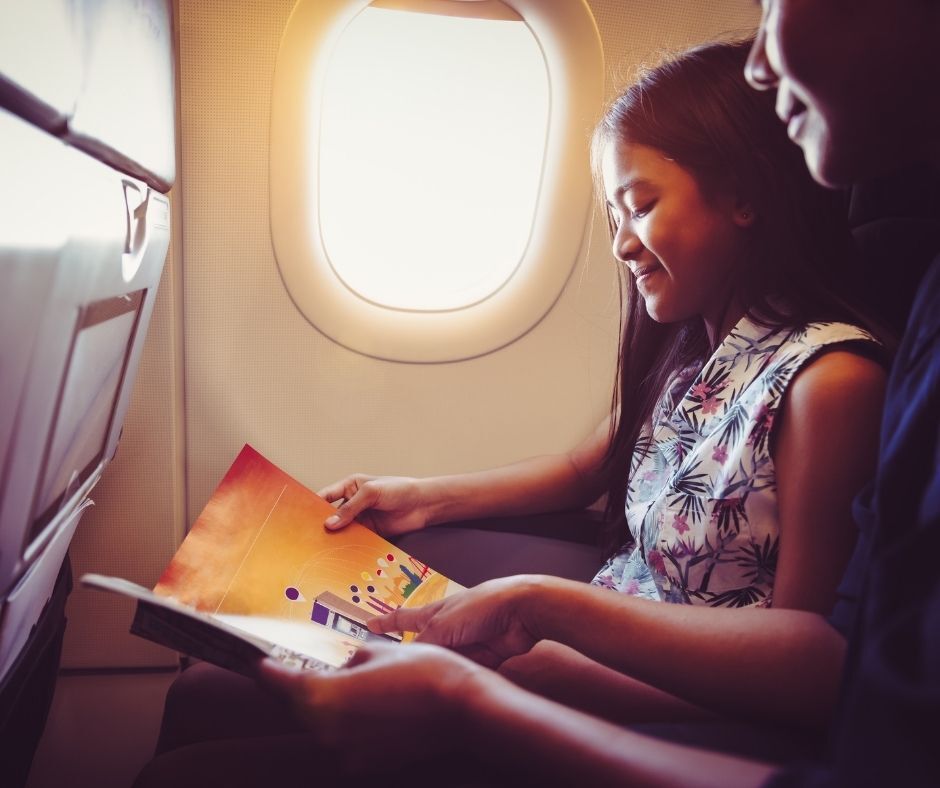
Effective time management during travel hinges on flexibility and adaptability. Unforeseen delays, changes in plans, and unexpected opportunities are inevitable. Developing strategies to navigate these situations empowers travelers to maintain their composure and achieve their travel goals, even when the itinerary deviates from the original plan.Unexpected events, from flight cancellations to sudden attractions, can disrupt the best-laid travel plans.
However, proactive preparation and a flexible mindset are key to maintaining a positive experience. This section Artikels crucial strategies for adapting to unforeseen circumstances, ensuring travelers can remain productive and enjoy their journeys despite unforeseen challenges.
Handling Unexpected Delays and Changes in Plans
Adapting to delays and plan changes requires a proactive approach. Acknowledging the inevitability of disruptions allows travelers to anticipate potential problems and develop coping mechanisms. Prioritize essential tasks and maintain a flexible schedule, recognizing that adjustments may be necessary. Having a backup plan for transportation, accommodation, and activities can significantly reduce stress during unforeseen circumstances.
Adapting Your Schedule to Unexpected Opportunities
Unexpected opportunities often arise during travel. Remaining open to new experiences and adapting your schedule to accommodate them can enrich the journey. A flexible approach allows travelers to seize spontaneous chances for exploration and discovery. By maintaining a balance between pre-planned activities and adaptability, travelers can optimize their travel experience. For example, a sudden opening for a local cooking class can be incorporated into a revised schedule if it aligns with interests and time constraints.
Maintaining a Positive Attitude in Challenging Travel Situations
Maintaining a positive attitude in challenging travel situations is crucial. Adopting a problem-solving mindset and focusing on solutions rather than dwelling on the problem can significantly improve the experience. Remembering the purpose of the trip and focusing on the positive aspects of the journey, even in adverse conditions, fosters resilience. Practicing mindfulness and stress-reduction techniques can further enhance emotional well-being.
Seeking Help and Support During a Trip
Knowing how to seek help and support is essential. Familiarize yourself with local emergency services and embassy contacts before departure. Share your itinerary with trusted contacts and inform them of your location. Establish a plan for contacting support if needed. Utilizing mobile communication and local assistance services can provide valuable support in unexpected situations.
Importance of Backup Plans
Developing backup plans for transportation, accommodation, and activities is vital for mitigating potential disruptions. Consider alternative transportation options in case of delays or cancellations. Research and identify backup accommodation choices if your primary lodging becomes unavailable. Have a list of alternative activities in case your preferred choices are unavailable. These measures allow for seamless transitions and help maintain the flow of the travel experience.
Common Travel Emergencies and Appropriate Responses
| Emergency | Immediate Actions | Further Actions |
|---|---|---|
| Lost Passport | Contact local embassy/consulate. File a police report. | Apply for a temporary passport or travel document. |
| Flight Cancellation | Check for alternative flights or transportation. Contact your travel agent or airline. | Re-book flights or accommodations if necessary. Seek compensation if entitled. |
| Medical Emergency | Seek immediate medical attention. Contact your insurance company. | Follow doctor’s advice. Arrange for necessary medical care. |
| Theft | File a police report. Notify your bank and credit card companies. | Obtain necessary documents for insurance claims. Arrange for replacement items. |
| Natural Disaster | Follow instructions from local authorities. | Seek safe shelter and assistance from authorities. |
Budgeting & Financial Management
Effective financial management is crucial for a smooth and enjoyable travel experience. Understanding your spending habits and developing a plan can prevent unexpected financial stress and allow you to make the most of your trip. This section Artikels strategies for budgeting, tracking expenses, prioritizing spending, and managing cash flow while traveling.Careful planning and execution of your financial strategy will greatly enhance your overall travel experience, minimizing financial worries and maximizing the enjoyment of your adventures.
Strategies for Budgeting Travel Expenses
A well-defined budget is essential for managing finances effectively while traveling. Establish a realistic budget that considers accommodation costs, transportation, food, activities, and any other potential expenses. Research prices in advance to get an accurate estimate. Use online tools or spreadsheets to create a detailed budget, outlining your anticipated spending for each category. Consider various scenarios and allocate a contingency fund for unforeseen circumstances.
Methods for Tracking Spending While Traveling
Maintaining a record of your spending is crucial for staying on budget. A simple notebook and pen can be effective, or consider using mobile apps designed for tracking expenses. These apps often offer features to categorize expenses and visualize spending patterns. Record each transaction meticulously, noting the date, amount, description, and location. Regularly reviewing your spending log will help you stay informed about your financial status and identify areas where you might be overspending.
Prioritizing Spending on Essential Items and Experiences
Differentiating between essential and non-essential expenses is key to effective budgeting. Identify the core experiences you want to have during your trip and allocate a budget for them. Prioritize accommodations, transportation, and food to ensure your basic needs are met. Allocate funds for experiences that align with your travel goals, whether it’s exploring local markets, visiting museums, or trying regional cuisine.
Managing Cash Flow Effectively While on the Road
Efficient cash flow management involves careful planning and consistent monitoring. Create a spending plan that aligns with your budget. Withdraw a predetermined amount of cash from your bank account to use throughout the trip. Use credit cards strategically, keeping track of balances and paying them off promptly. Establish a system for transferring funds to your travel account regularly, ensuring you have access to necessary funds.
Avoiding Overspending While Traveling
Avoiding overspending requires discipline and a clear understanding of your budget. Set daily or weekly spending limits and stick to them. Be mindful of impulse purchases and resist temptations to spend more than planned. Compare prices and seek out cost-effective alternatives. Avoid unnecessary expenses and prioritize experiences that align with your budget.
Comparison of Budgeting Methods for Various Travel Styles
Different travel styles require different budgeting approaches. For budget travelers, a highly detailed and itemized budget, with emphasis on cost-effective accommodations and transportation, is necessary. For luxury travelers, a more flexible approach, with a significant portion of the budget allocated to premium experiences, is advisable. The ideal budgeting method will depend on individual travel preferences and financial circumstances.
Communication & Connectivity
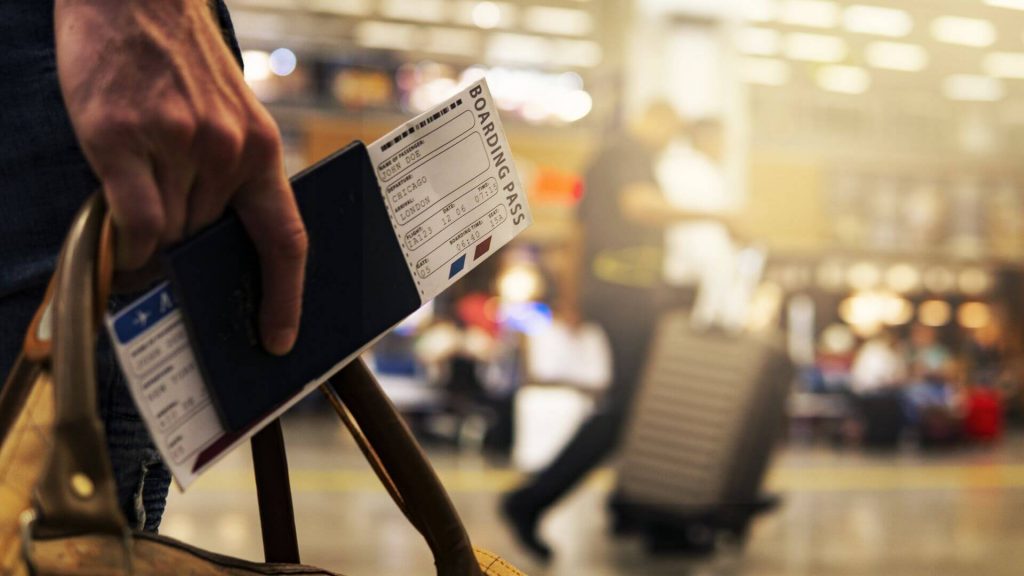
Maintaining connections with loved ones, work colleagues, and social circles is crucial while traveling. Effective communication strategies ensure you stay informed and engaged, even when miles apart. This section explores methods for maintaining contact, setting boundaries, and scheduling communication effectively, both with and without internet access.
Maintaining Contact with Loved Ones
Staying connected with family and friends is vital for a positive travel experience. Pre-planning communication strategies helps reduce stress and ensures you’re not constantly worrying about missing important events or updates. Establish regular communication schedules, such as daily phone calls or video chats, to maintain a sense of closeness. Utilizing messaging apps for quick updates and sharing experiences can also be a valuable tool.
Consider sending postcards or letters for a more personalized touch.
Staying Connected to Work or Other Commitments
Maintaining professional connections while traveling is important for productivity and project management. Designate specific times for work-related calls or emails, and utilize time management tools to prioritize tasks. Establish clear communication protocols with colleagues, ensuring they know how to reach you and what to expect during your travel period. Utilize cloud-based applications and project management software to access and update files remotely.
Consider setting up automatic email responses to manage inquiries and provide updates.
Managing Social Media and Other Online Activities
Social media can be a valuable tool for staying connected and sharing experiences. However, it’s important to manage time effectively and avoid over-engagement. Designate specific times for checking social media, and limit the amount of time spent on each platform. Utilize social media scheduling tools to plan posts and engage with followers in advance. Be mindful of potential distractions and avoid getting caught in lengthy online discussions or scrolling through feeds.
Setting Boundaries with Communication
Setting boundaries with communication is crucial for maintaining mental well-being and preventing burnout during travel. Define specific times for checking emails, messages, or social media, and stick to the schedule. Establish clear boundaries with work colleagues, friends, and family regarding response times and availability. Don’t feel obligated to respond to every message or notification immediately. Recognize that you deserve downtime and relaxation.
Scheduling Communication Time Effectively
Scheduling communication time is essential for managing commitments and maintaining personal relationships. Create a daily or weekly schedule outlining designated times for calls, emails, or other communication. Utilize digital calendars or scheduling apps to track and manage these appointments. Prioritize communication needs and allocate time accordingly. Consider creating a communication schedule based on local time zones to ensure you are reachable when needed.
Staying Connected Without Internet Access
Travel often involves periods without reliable internet access. Planning for these scenarios is crucial. Download offline maps, important documents, and contact information before traveling. Invest in portable Wi-Fi devices or data plans for areas with limited internet access. Utilize satellite phones or messaging apps with offline functionality to maintain communication during these times.
Pre-arrange backup plans for urgent communications.
Cultural Sensitivity

Traveling broadens our horizons and allows us to connect with diverse cultures. However, navigating unfamiliar customs and traditions requires sensitivity and respect. Understanding local norms and demonstrating cultural awareness enriches the travel experience and fosters positive interactions with the communities you visit.Respecting local customs and traditions is paramount to a positive travel experience. It demonstrates your consideration for the host culture and builds bridges of understanding.
By showing respect, you contribute to a more harmonious and enjoyable experience for everyone involved.
Respecting Local Customs and Traditions
Respecting local customs and traditions is crucial for a positive and enriching travel experience. Understanding and adhering to local norms demonstrates consideration and fosters positive interactions. This involves recognizing and respecting differences in etiquette, social behavior, and religious practices.
Learning Basic Phrases in the Local Language
Learning basic phrases in the local language demonstrates your willingness to engage with the local community. Simple greetings, thank-you’s, and apologies go a long way in showing respect. This effort to communicate in the local tongue demonstrates your appreciation for the culture and fosters better connections with locals. Even basic phrases like “hello,” “thank you,” and “please” can significantly enhance interactions.
Interacting with Local People Respectfully
Interacting respectfully with local people is essential for a positive and enriching experience. Observe local customs regarding personal space, greetings, and communication styles. Be mindful of nonverbal cues and avoid behaviors that might be considered offensive or disrespectful. For example, some cultures may have different norms surrounding physical touch or eye contact. Understanding and adapting to these norms is vital.
Avoiding Cultural Misunderstandings
Misunderstandings can arise from differing cultural norms and expectations. Preparation and awareness are key to mitigating these issues. Researching local customs and etiquette before your trip can help you anticipate potential differences and navigate them effectively. Also, be open to learning from others and engaging in respectful dialogue to clarify any potential misinterpretations.
Mindfulness of Environmental and Community Impact
Be mindful of your environmental impact while traveling. Support local businesses, choose eco-friendly accommodations, and minimize your waste. Respect local environments and wildlife by adhering to park regulations and avoiding activities that could harm the natural world. Similarly, be mindful of your impact on the local community, such as purchasing souvenirs from local vendors and avoiding activities that may exploit or harm local people.
Comparing Cultural Norms and Practices Related to Time Management
Different cultures have varying perceptions of time. In some cultures, punctuality is highly valued, while in others, time is viewed as more flexible. Understanding these variations is important for avoiding misunderstandings. For example, a delay in a meeting in one culture might be considered perfectly acceptable, while in another, it could be perceived as disrespectful. Recognizing these differences is essential for successful cross-cultural interactions.
A well-planned approach and a flexible mindset can bridge the gap in time management expectations.
Post-Trip Reflection & Planning
Taking the time to reflect on your travels is crucial for maximizing their impact and ensuring future journeys are even more fulfilling. A well-structured post-trip review process allows you to identify what worked well, what could be improved, and how to apply those lessons to future adventures. This focused approach helps refine your travel strategies and transform your experiences into valuable learning opportunities.Thorough documentation and thoughtful analysis are essential for converting travel memories into lasting learning experiences.
By meticulously reviewing your plans and experiences, you can pinpoint areas for improvement and leverage insights from previous journeys to enhance future trips. This proactive approach empowers you to refine your travel approach and make the most of each adventure.
Documenting Your Experiences
Thorough documentation is key to capturing the essence of your travels. This process goes beyond simply snapping photos; it involves recording observations, insights, and reflections. Detailed notes, including specific locations, dates, and personal impressions, are invaluable for future reference and storytelling. This meticulous record-keeping is critical for ensuring that the memories are preserved and accessible for years to come.
Reviewing Travel Plans & Identifying Areas for Improvement
Evaluating your travel plans post-trip allows for valuable self-assessment. Critically examining your itinerary, budget, and chosen activities provides a framework for identifying areas where adjustments could lead to a more fulfilling experience. For instance, if a particular activity fell short of expectations, adjusting the itinerary for future trips to include alternative experiences or different locations might be a useful adjustment.
Incorporating Lessons Learned into Future Plans
Drawing lessons from previous trips is a cornerstone of continuous improvement in travel planning. By noting what worked well and what could have been better, you can refine your strategies for future adventures. For example, if you discovered a new favorite packing technique, implement it on your next trip. If a specific type of accommodation proved more convenient than anticipated, consider similar options for future trips.
Organizing Photos and Travel Memories
Organizing your travel photos and memories is vital for preserving the precious moments captured. Employing a consistent naming convention and categorizing photos by location or event helps create a cohesive narrative. Utilizing digital photo albums or dedicated travel memory apps allows for easy access and sharing of these treasured moments.
Creating a Personalized Travel Journal or Scrapbook
A personalized travel journal or scrapbook provides a tangible record of your adventures. This tangible record allows you to chronicle your experiences, jot down reflections, and incorporate mementos. A scrapbook, for example, can include photographs, ticket stubs, postcards, and handwritten entries, all carefully arranged to create a lasting visual record. Adding personal reflections and insights elevates the scrapbook to a powerful tool for reminiscing.
Preserving Travel Experiences for Future Enjoyment
Preserving your travel experiences for future enjoyment involves creating a comprehensive record that goes beyond simple photo albums. A detailed travel journal, including maps, sketches, and written descriptions of each location, can transform into a treasured keepsake. By meticulously documenting your adventures, you ensure that these experiences remain vivid and accessible long after your trip concludes. This comprehensive approach creates a lasting legacy, preserving your travels for future enjoyment.
Final Summary
In conclusion, this comprehensive guide provides a roadmap to effectively manage your time while traveling. From meticulous planning and utilizing technology to adapting to unexpected challenges and prioritizing well-being, you’ll gain valuable insights and practical strategies. By embracing these techniques, you can not only optimize your travel experiences but also develop valuable skills for future endeavors. Remember to prioritize your well-being, respect local customs, and embrace the unexpected—these elements will elevate your journey from ordinary to extraordinary.