Embarking on a solo adventure in a new city can be an incredibly rewarding experience. This guide provides a roadmap for navigating unfamiliar urban landscapes with confidence and ease. From meticulous pre-trip planning to mastering local transportation, we’ll equip you with the essential tools and strategies to make the most of your independent exploration.
This comprehensive guide covers a wide array of essential aspects, including essential pre-trip planning, understanding transportation options, navigating local environments, prioritizing safety, and immersing yourself in the local culture. We’ll also discuss managing finances effectively and utilizing technology for seamless navigation, as well as handling unexpected situations with grace and preparedness.
Introduction to Navigating a New City Independently
Embarking on a journey to a new city, venturing out on your own, can be an exhilarating experience. Navigating a new city confidently by yourself involves more than just finding your way from point A to point B. It encompasses a blend of practical skills, mental fortitude, and a certain degree of preparedness. This article will guide you through the essentials of confidently exploring a new urban environment.The concept of independent city exploration has evolved significantly.
In the past, venturing out alone was often associated with hardship and risk, particularly for women. However, today’s interconnected world and increased opportunities for solo travel have transformed this perspective. Now, independent city exploration is increasingly seen as a valuable personal growth experience, fostering self-reliance, adaptability, and a deeper appreciation for different cultures.
Defining Confident City Navigation
Navigating a new city confidently by yourself means possessing the knowledge, skills, and mindset to explore its various facets independently, feeling secure and capable in handling potential challenges. This includes practical aspects like using public transportation, finding your way around unfamiliar streets, and accessing essential services. Crucially, it also encompasses a proactive approach to staying safe and informed, fostering a positive and engaging experience.
Potential Challenges in Solo City Exploration
Navigating a new city solo presents a range of potential challenges. These range from the logistical to the psychological. A keen awareness of these difficulties is the first step to overcoming them.
- Disorientation and Getting Lost: Navigating unfamiliar streets, recognizing landmarks, and understanding local transport systems can be daunting. This can lead to feelings of frustration and anxiety. For example, relying on outdated maps or incorrect directions can easily lead to disorientation.
- Safety Concerns: Feeling vulnerable or exposed in a new environment is a valid concern. Understanding local safety protocols, being aware of your surroundings, and choosing well-lit and populated areas can significantly mitigate these anxieties. For example, avoiding walking alone in secluded areas at night is a crucial precaution.
- Language Barriers: Communication difficulties, whether with locals or service providers, can be frustrating and potentially lead to misunderstandings. Basic knowledge of the local language or having translation apps ready can greatly enhance interactions and resolve issues.
- Cultural Differences: Being unfamiliar with local customs and etiquette can lead to unintentional misunderstandings or social awkwardness. A respectful attitude and a willingness to learn about the local culture can prevent such issues.
- Financial Concerns: Managing finances effectively, budgeting for unexpected expenses, and understanding local payment systems is essential for a smooth and worry-free trip. For example, having a limited amount of cash on hand and utilizing local payment apps or cards can alleviate potential financial issues.
Essential Pre-Trip Planning
Thorough pre-trip planning is crucial for a smooth and enjoyable solo journey. Careful consideration of your destination, logistics, and personal needs ensures a confident and stress-free experience. This stage involves researching the city, creating a realistic itinerary, and addressing practical matters like accommodation, food, and travel documents.A well-organized approach to pre-trip planning will allow you to maximize your time and minimize any potential issues.
This proactive step will enable you to confidently navigate your new surroundings and truly embrace the experience.
Destination Research: Unveiling the City
Understanding your destination city is paramount. This involves a deep dive into the city’s layout, key attractions, and transportation options. Researching local customs and etiquette can also enhance your experience. Detailed knowledge of potential safety concerns, such as specific neighborhoods or times of day, is also essential for a secure trip.
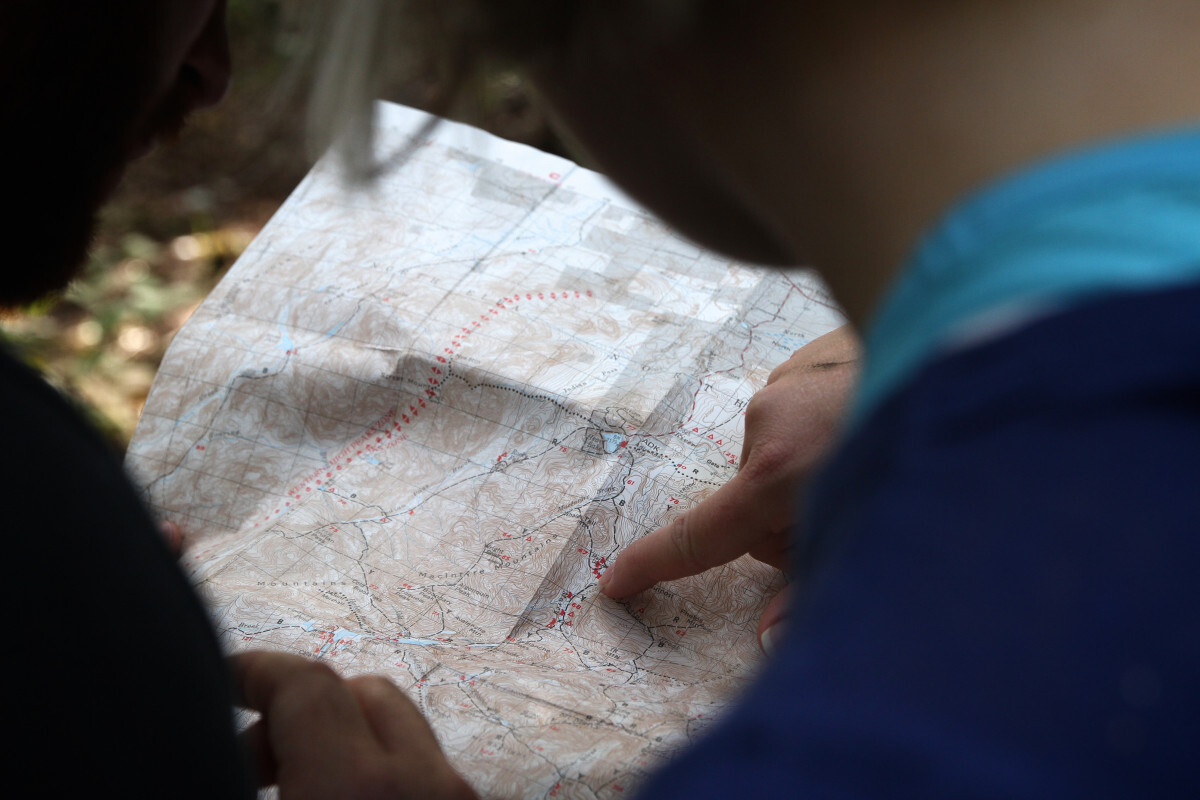
- City Layout: Use online maps, city guides, and travel blogs to familiarize yourself with the city’s geographical structure. Identify key landmarks, major streets, and public transportation hubs. This visual understanding will greatly aid your navigation. For example, studying a city map before your trip can help you anticipate travel times and routes.
- Attractions and Activities: Explore popular attractions, museums, parks, and cultural events. Research opening hours, ticket prices, and potential booking requirements. A list of potential activities allows you to tailor your itinerary to your interests.
- Transportation: Understand the various transportation options, including public transport (buses, trams, subways), taxis, ride-sharing services, and walking routes. Consider the cost and frequency of each option, factoring in travel times. For instance, if a city has a reliable subway system, it might be a more efficient way to navigate than relying solely on taxis.
- Safety: Research potential safety concerns, such as crime rates in specific areas, scams, and any unusual local customs. This proactive approach will help you stay alert and safe throughout your trip. For example, researching local customs about personal space or greetings will help avoid misunderstandings.
Crafting a Realistic Itinerary
Balancing exploration with relaxation is key to a fulfilling solo trip. A structured itinerary provides a framework, allowing you to experience the city’s highlights without feeling overwhelmed. Be sure to incorporate flexibility for spontaneous adventures and downtime.
- Prioritize Activities: Identify your must-see attractions and activities. Consider the time required for each and schedule accordingly. A well-organized schedule helps you stay on track without feeling rushed.
- Allocate Downtime: Schedule time for relaxation, reflection, and simply enjoying the atmosphere. Unplanned downtime is crucial to absorbing the ambiance and culture of the destination.
- Build in Flexibility: Allow for unexpected delays, spontaneous encounters, or changes in plans. A flexible itinerary helps you adapt to unforeseen circumstances and stay adaptable.
Accommodation Options
Finding suitable accommodation is a crucial aspect of pre-trip planning. Consider both budget-friendly and luxury options to find the best fit for your needs.
- Budget-Friendly Options: Hostels, guesthouses, and budget hotels are excellent options for those seeking cost-effective accommodation. Research options in central locations for easy access to attractions.
- Luxury Accommodations: Hotels with a variety of amenities, spas, and exceptional services can create a luxurious and comfortable experience. Look for options offering convenient locations near attractions.
- Specific Needs: Consider any special needs or preferences. If you require accessibility features, ensure the accommodation meets your requirements. This ensures comfort and ease during your stay.
Food and Drink Expenses
Plan for food and drink expenses by researching diverse culinary options and budgeting accordingly.
- Local Cuisine: Explore local restaurants and street food vendors to experience the city’s culinary scene. Research different cuisines and price ranges to match your budget.
- Budgeting: Estimate daily food and drink costs, and allocate a portion of your budget accordingly. Look for affordable dining options to help stay within your budget. For example, a meal at a local cafe or a picnic in a park can be more affordable than a fancy restaurant.
- Grocery Options: Investigate grocery stores or markets for affordable options. If you plan on preparing some meals, this can save you money.
Travel Documents, Tickets, and Local SIM Cards
Ensure you have all the necessary travel documents, tickets, and local SIM cards.
- Travel Documents: Verify your passport, visa requirements, and any necessary travel insurance documentation. Double-check expiry dates to avoid any complications.
- Tickets and Bookings: Book flights, accommodation, and any necessary tours or activities in advance. Confirm your bookings to avoid any surprises.
- Local SIM Card: Research local SIM card options for affordable and convenient mobile data access. Ensure the SIM card meets your data needs and has a reasonable cost structure.
Transportation Strategies
Navigating a new city efficiently relies heavily on understanding its transportation options. Knowing how to utilize public transit, ride-sharing services, or taxis can significantly impact your travel time and budget. This section will provide insights into each method, highlighting their advantages and disadvantages.Effective use of public transportation is often the most cost-effective way to explore a new city. It also provides a unique opportunity to observe the city’s dynamics and lifestyle.
Understanding the local transit system is crucial for a smooth and enjoyable experience.
Public Transportation Systems
Public transportation systems, encompassing buses, trains, and subways, are generally economical and environmentally friendly. They often offer extensive coverage, connecting various parts of the city.
- Buses are frequently used for shorter distances and can provide access to areas not served by other forms of public transportation. They are usually affordable but can be less reliable in terms of schedule adherence. For example, unexpected traffic or maintenance issues can cause delays.
- Trains, particularly metro systems or subways, offer a fast and efficient way to traverse larger distances. Trains are generally more reliable than buses, with scheduled departures and arrivals. They can be a better option for longer commutes.
- Subways are a highly efficient form of rapid transit, ideal for navigating densely populated areas. They offer direct routes between major destinations, but coverage might be limited in some areas.
Ride-Sharing Services and Taxis
Ride-sharing services and taxis can offer convenience, especially for short trips or when public transportation is not readily available. However, they often come with a higher cost compared to public transit.
- Ride-sharing services are generally more affordable than taxis for longer trips. They provide flexibility in terms of pickup and drop-off locations, which can be beneficial for exploring less-centralized areas. However, the availability of drivers and potential surge pricing can be unpredictable.
- Taxis provide immediate transportation and are often a good choice for short trips or when a specific time constraint exists. They are typically reliable, but the cost can quickly escalate, especially during peak hours or in tourist areas.
Cost and Convenience Comparison
A comprehensive understanding of the costs and convenience associated with each transportation method is essential. A comparison table can illustrate the practical implications.
| Transportation Method | Cost (estimated) | Travel Time (estimated) | Convenience |
|---|---|---|---|
| Public Bus | $1-3 per trip | 30 minutes – 2 hours | Moderate; dependent on route and traffic |
| Subway | $2-5 per trip | 15 minutes – 1 hour | High; efficient and direct routes |
| Train | $5-10 per trip | 30 minutes – 2 hours | Moderate; good for longer distances |
| Ride-sharing | $5-20 per trip | 20 minutes – 1 hour | High; flexible pickup and drop-off |
| Taxi | $10-30 per trip | 15 minutes – 1 hour | High; immediate transportation |
“Careful planning and research regarding transportation options are crucial for an efficient and cost-effective trip.”
Local Navigation & Communication
Navigating a new city confidently requires more than just knowing how to get from point A to point B. Effective communication and understanding local customs are equally important. This section details essential strategies for interacting with locals, utilizing local resources, and fostering a positive experience during your travels.Learning basic local phrases and greetings can significantly enhance your interactions with residents.
This fosters a sense of respect and encourages reciprocal engagement. Furthermore, understanding local customs and etiquette demonstrates consideration for the host culture, leading to a more enjoyable and seamless experience.
Learning Basic Local Phrases and Greetings
Knowing basic phrases like “hello,” “thank you,” “please,” and “excuse me” is crucial for smooth interactions. Learning essential greetings and farewells demonstrates respect for local customs and makes a positive impression. These simple phrases can open doors to valuable conversations and potentially unexpected opportunities.
- Common greetings and farewells are readily available in language learning apps and online resources.
- Learning basic phrases, such as “hello,” “thank you,” and “please,” can be accomplished in a short amount of time through dedicated study and practice.
- Local language learning apps, like Duolingo or Babbel, can help you learn essential phrases quickly and efficiently.
Using Maps, GPS Apps, and Local Navigation Tools
Utilizing maps, GPS apps, and local navigation tools effectively is vital for navigating unfamiliar territory. These resources offer clear directions, visual representations of the area, and real-time updates, ensuring efficient travel.
- Download offline maps of the city to access directions when internet connectivity is limited.
- Utilize GPS apps that offer turn-by-turn directions, voice guidance, and visual displays of the route.
- Explore local transportation apps and consider using them to navigate public transport routes.
The Role of Local Guides
Engaging with local guides can provide invaluable insights into the city’s history, culture, and hidden gems. Their expertise can offer unique perspectives and help you discover aspects of the city that might otherwise be missed. Guides can also assist with navigating complex situations or provide crucial insights into local customs and traditions.
Asking for Directions from Locals
Asking for directions politely and efficiently can be a valuable resource. A respectful approach ensures a positive interaction and often leads to helpful information. Consider these points:
- Speak clearly and slowly, using simple and direct language.
- Be specific about your destination, providing landmarks or recognizable points.
- Offer a small thank you, if applicable.
Utilizing Local Language Learning Apps or Resources
Language learning apps and online resources offer efficient and effective ways to learn basic phrases and enhance communication skills. These tools provide a practical method for gaining essential vocabulary and improving conversational abilities. Numerous apps and websites are available, offering tailored learning experiences.
Staying Safe and Aware
Embarking on a solo adventure in a new city requires a proactive approach to personal safety. Understanding potential risks and implementing preventative measures is crucial for a positive and secure experience. This section will Artikel essential safety precautions to help you navigate unfamiliar environments with confidence and peace of mind.Personal safety is paramount when exploring a new city independently.
A proactive approach to safety involves recognizing and mitigating potential dangers, rather than simply reacting to them. This includes being aware of your surroundings, understanding local customs, and making informed decisions that minimize your vulnerability.
Importance of Situational Awareness
Maintaining a heightened awareness of your surroundings is vital for personal safety. This involves actively observing your environment, noting potential hazards, and adapting your behavior accordingly. Constant vigilance allows you to anticipate and avoid dangerous situations, rather than reacting to them.
Avoiding Unsafe Situations
Several strategies can help you avoid potentially hazardous situations. Walking alone at night or in isolated areas should be approached with extra caution. Choosing well-lit and populated paths is essential. If possible, consider traveling with a companion or using ride-sharing services for evening outings. If you must walk alone at night, carry a personal safety device and inform someone of your route and estimated return time.
Itinerary Sharing and Communication
Sharing your itinerary with a trusted contact is an important safety measure. This allows someone to know your plans, including your destination, estimated return time, and any specific activities you anticipate. A simple text message or call to inform a friend or family member about your plans can significantly enhance your sense of security.
Maintaining Connection with Loved Ones
Maintaining communication with loved ones is critical. Utilize your phone’s data or local Wi-Fi to stay connected. This enables you to share updates, address any concerns, and promptly seek assistance if needed. Consider using a messaging app or social media to keep in touch while you explore. Establish a communication plan with your family or friends, outlining how and when you will check in.
This might include specific times for a phone call or text message, as well as a designated contact person in case of an emergency.
Experiencing the Local Culture
Immersing yourself in a new city’s culture is a vital part of the journey. It allows you to connect with the locals, understand their traditions, and appreciate the unique character of the place. This deeper engagement enriches your experience beyond the typical tourist highlights. Embracing the local culture fosters respect and understanding, creating lasting memories.Beyond sightseeing, true cultural immersion involves engaging with the daily life and traditions of the city’s inhabitants.
This section Artikels strategies for effectively experiencing and appreciating the local culture.
Discovering Local Traditions and Activities
Understanding local traditions and activities is key to experiencing a city’s soul. This encompasses a wide array of engaging opportunities.
- Visiting local museums and historical sites provides insights into the city’s past and its evolution. These venues often feature artifacts, exhibits, and stories that reveal important cultural aspects, highlighting the history and values of the region.
- Attending local events and festivals is an excellent way to observe cultural expressions. Festivals typically showcase music, dance, food, and arts unique to the region, offering a vibrant and interactive experience.
- Exploring local markets is a fantastic way to discover regional crafts, cuisine, and daily life. Markets are often bustling hubs of activity, showcasing the ingenuity and creativity of local artisans and producers. The sensory experience of a vibrant market provides a direct connection to the city’s culture.
- Taking a cooking class is an engaging way to understand local culinary traditions. Participating in a cooking class allows participants to not only sample the local cuisine but also learn the preparation techniques, recipes, and stories behind each dish.
Connecting with Local Communities
Building meaningful relationships with locals fosters a deeper understanding of the community.
- Engaging in conversations with locals is a powerful way to learn about their perspectives and experiences. Asking open-ended questions and actively listening to their responses will allow for a more profound understanding of the local community.
- Joining local clubs or groups provides opportunities for interaction and shared experiences. This allows individuals to connect with like-minded people who share similar interests, fostering friendships and a more comprehensive understanding of the city’s culture.
- Volunteering for local organizations can provide valuable insights into community needs and challenges. This form of engagement allows individuals to actively participate in the community’s life, learning about the local population and their concerns firsthand.
Participating in Cultural Events and Festivals
Attending cultural events and festivals is a great way to embrace the city’s vibrant spirit.
- Researching local event calendars provides insight into the various festivals and events taking place during your stay. These calendars usually include details about the schedule, location, and activities planned.
- Checking local listings for community events helps to identify and explore the cultural tapestry of the city. These listings can include information on performances, workshops, and cultural celebrations.
- Visiting local theaters and performance venues allows for experiencing a wider range of artistic expressions. This allows one to observe diverse cultural forms of entertainment, including music, dance, and theater.
Trying Local Cuisine and Exploring Local Markets
Local cuisine and markets offer a rich glimpse into the city’s culture and heritage.
- Visiting local restaurants and food stalls allows for sampling diverse and authentic culinary experiences. This allows visitors to not only appreciate the flavors of the local cuisine but also learn about the ingredients and preparation methods.
- Exploring local markets and food stalls provides a dynamic opportunity to interact with local vendors and learn about regional specialties. This provides the chance to taste local delicacies and understand the preparation methods and ingredients used.
- Trying local street food is an economical and authentic way to experience local culinary traditions. This allows for a taste of the everyday cuisine of the local population.
Respecting Local Customs and Traditions
Respecting local customs and traditions is crucial for positive interactions.
- Researching local customs and etiquette before your trip helps in navigating social situations appropriately. This includes learning about greetings, dress codes, and other cultural nuances.
- Showing respect for religious sites and practices is paramount. This entails adhering to established protocols and guidelines, including dress codes and behaviors.
- Being mindful of local customs and traditions helps foster a positive experience for both visitors and residents. This includes being mindful of local customs and traditions and demonstrating appropriate behavior and respect.
Managing Finances Effectively
A crucial aspect of independent travel is effectively managing your finances. Proper budgeting, understanding local payment systems, and safe handling of currency are paramount to a smooth and enjoyable trip. This section provides practical strategies for maintaining control over your spending and ensuring a comfortable experience throughout your journey.Careful financial planning is key to a stress-free adventure. By creating a realistic budget and understanding the costs associated with your trip, you can avoid unexpected financial pressures and maintain a positive mindset.
This includes anticipating potential expenses, such as transportation, accommodation, food, and activities.
Budgeting Strategies
Careful budgeting is essential for a successful trip. It involves anticipating expenses and allocating funds to different categories. A well-structured budget prevents overspending and ensures you have sufficient funds for all necessary activities.
- Categorize Expenses: Divide your budget into categories like accommodation, food, transportation, activities, and miscellaneous. This allows for a clear picture of where your money is going.
- Estimate Costs: Research the average costs for accommodation, food, and activities in your destination. Use online resources, travel blogs, and forums to gather accurate estimates.
- Set Realistic Limits: Establish daily or weekly spending limits for each category. This helps you stay within your budget and avoid impulsive purchases.
- Track Spending: Utilize a budgeting app or a notebook to meticulously track your expenses. This helps identify areas where you might be overspending.
Using Credit Cards, Debit Cards, and Local Payment Systems
Understanding local payment systems is crucial for a seamless financial experience. Familiarize yourself with the available options before your trip.
- Credit Cards: While widely accepted, be aware of potential foreign transaction fees. Notify your bank about your travel plans to avoid any issues with your card being blocked.
- Debit Cards: Debit cards are linked directly to your bank account. Ensure your bank allows for international transactions. Be aware of potential transaction limits.
- Local Payment Systems: Many countries have their own unique payment systems, such as mobile wallets or local cards. Research and familiarize yourself with these options for convenience.
Using ATMs and Currency Exchange
Using ATMs and exchanging currency safely is important for managing your funds effectively. Follow these guidelines to ensure a smooth process.
- ATM Safety: Choose ATMs located in well-lit and populated areas. Be cautious of suspicious individuals or activities around the ATM. Use strong passwords for online banking and take extra security measures.
- Currency Exchange: Exchange currency at reputable exchange bureaus or banks. Compare exchange rates to get the best deal. Avoid exchanging currency in unregulated markets or from strangers.
Avoiding Overspending
Developing strategies to avoid overspending can significantly enhance your travel experience.
- Prioritize Needs over Wants: Focus on essential expenses like accommodation and transportation. Set aside a specific budget for leisure activities. This approach helps in avoiding impulse purchases.
- Set Daily Spending Limits: Establish reasonable daily spending limits for each category. Sticking to these limits helps maintain control over your finances.
- Plan Activities in Advance: Research and book activities in advance to avoid paying inflated prices at the last minute.
Estimating and Tracking Expenses
Accurately estimating and tracking expenses is essential for a smooth trip. These techniques will assist you in maintaining control of your finances.
- Expense Categories: Create clear categories for your expenses, such as accommodation, food, transportation, and activities. This allows for easy tracking and analysis.
- Expense Tracking Apps: Use budgeting apps to meticulously track your spending. These apps provide real-time summaries and analyses of your expenses.
Utilizing Technology for Navigation

Embarking on a solo journey to a new city can be significantly enhanced by leveraging the power of technology. Smartphones and various apps provide invaluable tools for navigation, communication, and staying connected, allowing for a smoother and more enjoyable experience. Understanding how to effectively utilize these tools can ease the transition and foster a sense of independence and confidence.Technological advancements have streamlined numerous aspects of travel, particularly in navigating unfamiliar urban landscapes.
GPS applications, translation tools, and communication platforms offer a practical and efficient means to navigate, communicate, and stay connected while abroad. By harnessing these resources, travelers can experience the city with a higher degree of confidence and convenience.
Comparing GPS Apps
A multitude of GPS applications cater to diverse needs and preferences. Evaluating their functionalities can aid in selecting the most suitable option. The following table Artikels some popular GPS apps and their key features.
| App | Key Features | Strengths | Potential Drawbacks |
|---|---|---|---|
| Google Maps | Real-time traffic, offline maps, public transport, walking directions, street view | Comprehensive features, widely used, often integrated with other Google services | May have data limitations in certain regions |
| Apple Maps | Offline maps, turn-by-turn directions, public transport, integrated with Apple ecosystem | Seamless integration with other Apple devices, user-friendly interface | May lack certain features compared to Google Maps |
| Waze | Real-time traffic updates, user-submitted information, community-based navigation | Highly accurate traffic information, proactive route adjustments | May not be as user-friendly for first-time users |
Downloading Offline Maps
Navigating areas with limited or no internet connectivity is crucial for preparedness. Downloading offline maps for the specific regions of interest is essential for seamless navigation in areas with unreliable internet access.To download offline maps, utilize the “Offline Maps” feature in GPS apps like Google Maps. Select the desired areas and download them for later use. This ensures uninterrupted access to navigation information even when cellular or Wi-Fi connections are unavailable.
Using Online Resources for Real-time Information
Real-time information about traffic conditions and local events can significantly improve travel efficiency. Leveraging online resources provides up-to-date insights into potential delays or road closures.Check websites or apps such as Google Maps, Waze, and local news sources for real-time traffic updates and event schedules. These resources can help you anticipate potential delays and adjust your travel plans accordingly.
Using Translation Apps for Communication
Effective communication with locals is essential for a richer travel experience. Translation apps facilitate interaction and understanding.Employ translation apps like Google Translate or Apple Translate to translate text, phrases, or even spoken words. These tools can aid in understanding menus, asking for directions, or engaging in basic conversations with locals.
Staying Connected with Loved Ones
Maintaining contact with loved ones during your travels is crucial for peace of mind. Several strategies can help you stay connected.Utilize mobile data, Wi-Fi hotspots, or international calling cards to ensure consistent communication. Consider sharing your itinerary with your contacts, especially for extended stays. This allows them to reach you if necessary and helps you feel more secure and connected.
Handling Unexpected Situations

Navigating a new city independently can sometimes involve unforeseen challenges. Preparation is key to confidently addressing these situations. Knowing how to react to common problems, like getting lost or encountering language barriers, will help you maintain your composure and safety. Furthermore, having a plan for emergencies and knowing the local resources will enhance your peace of mind.Effective problem-solving in unfamiliar environments is crucial.
This involves recognizing the problem, assessing the situation, and implementing a logical solution. This section provides strategies to handle various unexpected scenarios, ensuring you feel empowered and capable during your journey.
Dealing with Common Problems
Understanding potential issues like getting lost, encountering language barriers, or experiencing theft is crucial. A proactive approach can mitigate the impact of these challenges. These problems are common experiences for travelers and can be effectively managed.
- Getting Lost: If you find yourself disoriented, remain calm. Utilize maps or navigation apps to pinpoint your location. Ask locals for directions, remembering to clearly communicate your destination. Returning to a well-known landmark or a public area can help you reorient yourself. It is important to remember to note your surroundings, including streets and buildings.
Using landmarks or public areas as reference points can be very helpful.
- Language Barriers: Download translation apps to facilitate communication. Learn basic phrases in the local language. Gestures and simple visual aids can be very effective, and a smile and patience are very important. Be prepared to use written communication or point to items to convey your needs.
- Experiencing Theft: Take necessary precautions to avoid theft. Be aware of your surroundings, especially in crowded areas. Do not display expensive items or large amounts of cash. If you experience theft, report it to the local authorities immediately. Contact your bank to block any compromised cards.
Responding to Emergencies and Unforeseen Circumstances
Having a plan for emergencies is vital for maintaining safety and well-being. Knowing the appropriate actions in unforeseen circumstances is critical for maintaining your safety. A prepared traveler can handle many situations more effectively.
- Medical Emergencies: Contact local emergency services immediately. Provide your location and the nature of the emergency. If possible, note any pertinent medical information about yourself or anyone you are with.
- Safety Concerns: If you feel threatened or unsafe, seek help from a trusted individual or the nearest authority. Document the details of the situation for later reference. It is vital to remember that safety is always paramount, and you should never hesitate to seek help if needed.
- Natural Disasters: Follow the instructions of local authorities. Seek shelter in a designated area. Contact your family or friends to inform them of your situation. It is also important to monitor news channels for updates on any developing situation.
Emergency Contacts and Local Resources
Knowing the right contacts can be vital in an emergency. Having important local resources readily available is beneficial in unforeseen situations. Emergency contacts can be a lifesaver in many situations.
| Category | Contact Information |
|---|---|
| Emergency Services | 911 (or your local equivalent) |
| Local Police Department | [Local Police Department Phone Number] |
| Local Hospital | [Local Hospital Phone Number] |
| Embassy/Consulate | [Embassy/Consulate Phone Number] |
Contacting the Embassy or Consulate
Knowing how to contact your embassy or consulate is vital for assistance when needed. Your embassy or consulate can provide valuable support during emergencies.
In case of emergency or if you need assistance, contact your embassy or consulate immediately. Provide them with your location and the nature of the problem. Follow their instructions carefully and remain calm.
Problem-Solving Strategies
Developing effective problem-solving strategies is crucial for navigating unfamiliar situations. A logical approach can help you find solutions to unexpected challenges.
- Remain Calm: Maintaining composure allows you to think clearly and rationally.
- Gather Information: Collect all relevant details about the situation.
- Identify Options: Consider different possible solutions.
- Evaluate Options: Assess the pros and cons of each solution.
- Choose the Best Option: Select the solution that seems most effective and appropriate.
Maximizing Your Experience
Embarking on a solo trip to a new city is a fantastic opportunity to immerse yourself in a different culture and create unforgettable memories. This section focuses on strategies to fully leverage your time and experiences, ensuring a journey that is both enriching and enjoyable.A well-planned trip that incorporates both structured activities and spontaneous exploration can lead to a truly memorable experience.
By strategically combining planned adventures with opportunities for serendipity, you can optimize your time and maximize your enjoyment of the new city.
Balancing Relaxation and Exploration
To truly appreciate a new city, it’s crucial to strike a balance between active exploration and moments of relaxation. Scheduling downtime for activities like enjoying a leisurely café visit or a quiet stroll through a park allows your mind to process new information and recharge. This downtime also helps you fully appreciate the nuances of the city’s atmosphere.
For instance, a morning spent exploring a local market can be followed by a quiet afternoon in a park, allowing for reflection and assimilation of new experiences.
Spontaneous Experiences and Unexpected Discoveries
Embracing spontaneity is key to unlocking unexpected discoveries. Allocate a portion of your itinerary for unplanned activities. This might involve following a seemingly random street or taking a different route than anticipated, potentially leading to a hidden gem or a unique perspective. For example, a street performer’s captivating display or a chance encounter with a local could spark an unexpected and deeply enriching experience.
Creating Lasting Memories
Creating lasting memories involves actively engaging with the city and its people. Engage in conversations with locals, participate in local events, and try new foods. These interactions build a deeper connection to the city and its culture, fostering experiences that linger long after you’ve left. Consider attending a local festival or a cooking class to fully immerse yourself in the city’s vibrancy.
Preserving Memories Through Photos and Journaling
Documenting your experiences is vital for preserving memories. Take photos of landmarks, people, and moments that resonate with you. Consider using a dedicated travel journal to record your observations, feelings, and insights. A detailed journal entry about a specific interaction with a local, or a reflection on the atmosphere of a particular street, can enrich your recollection of the experience.
This practice creates a tangible record of your journey and provides a powerful tool for revisiting your memories in the future. For instance, taking a photo of a particular street corner and then writing a reflection on the feeling of the place in your journal will create a more complete and vivid memory.
Closing Summary
In conclusion, confidently navigating a new city solo requires careful preparation, adaptability, and a willingness to embrace the unexpected. By thoughtfully considering the provided steps and strategies, you’ll not only reach your destination safely and efficiently but also create lasting memories and enriching experiences. Remember, the key is to plan ahead, stay aware, and be open to the surprises that await you.