Embarking on a solo adventure requires careful planning, and securing the right travel insurance is paramount. This comprehensive guide details the crucial steps to choosing the ideal solo travel insurance, covering everything from understanding essential coverage types to navigating the claims process. This guide will equip you with the knowledge to make informed decisions and safeguard your trip.
From medical emergencies to trip disruptions, solo travel presents unique risks not always addressed in standard travel insurance plans. This guide will help you navigate these complexities, ensuring you’re prepared for any eventuality. We’ll explore essential factors to consider, like provider reputation and policy exclusions, to help you choose a plan that best suits your individual needs and budget.
Introduction to Solo Travel Insurance
Solo travel offers exhilarating experiences, but it also presents unique risks. Comprehensive travel insurance is crucial for mitigating these risks, ensuring peace of mind during your adventures. Proper coverage protects you against unforeseen events, from medical emergencies to lost luggage and trip cancellations.General travel insurance often covers a broad range of situations, but may not adequately address the specific vulnerabilities faced by solo travelers.
Insurance tailored for solo trips often includes enhanced features and greater flexibility, particularly regarding emergency assistance and evacuation.
Key Differences Between General and Solo Travel Insurance
General travel insurance policies often cover a wide range of scenarios, but may not prioritize the specific needs of solo travelers. Solo travel insurance, however, is meticulously crafted to address the distinct challenges faced by independent travelers. This specialized coverage often includes features designed to facilitate quicker and more efficient assistance in remote locations, as well as expanded emergency evacuation provisions.
Specific Risks for Solo Travelers
Solo travelers encounter risks not typically covered in standard plans. These include, but are not limited to, the higher risk of personal safety incidents, such as assault or theft. The potential for medical emergencies in remote areas, where access to immediate care is limited, also warrants specific consideration. Furthermore, the possibility of encountering travel disruptions, including natural disasters or political instability, while traveling alone requires robust contingency plans.
Coverage Comparison: Solo vs. Group Travel
| Coverage Feature | Solo Travel Insurance | Group Travel Insurance |
|---|---|---|
| Emergency Medical Assistance | Often includes expedited medical evacuation and access to a 24/7 medical assistance hotline. This is frequently tailored to include specific provisions for remote areas. | May cover medical emergencies, but the response time and specific provisions for remote areas may be less prioritized compared to solo travel plans. |
| Personal Safety | Typically includes coverage for assault, theft, and personal injury incidents, often with higher payout limits or special provisions for solo travelers. | May provide coverage for personal safety incidents, but the specific coverage and payout limits might not be as robust as those designed for solo travelers. |
| Travel Interruption | May offer broader coverage for trip disruptions, including natural disasters or political instability, with specific provisions for solo travelers. | May cover trip disruptions, but may not provide as much specific support for solo travelers in these circumstances. |
| Emergency Evacuation | Frequently offers expedited and direct emergency evacuation to a safe location. | May offer evacuation services, but the response time and level of support may be slower and less comprehensive. |
The table above highlights the crucial differences in coverage between solo and group travel insurance, emphasizing the specialized support provided in solo travel policies.
Types of Coverage
Travel insurance policies often include a range of coverages designed to protect travelers from unforeseen circumstances. Understanding these coverages is crucial for selecting a policy that meets your specific needs, particularly if you’re embarking on a solo adventure. Different policies will have varying levels of coverage, so careful consideration is necessary.
Medical Emergencies and Evacuation
Medical emergencies and evacuation coverage are paramount for solo travelers. These provisions cover the costs associated with unexpected medical issues, including hospitalization, doctor visits, and necessary medical procedures. Crucially, evacuation coverage assists with the expenses of airlifting or transporting you to a medical facility, whether in your home country or abroad. This is especially vital for solo travelers who might be far from home or in areas with limited medical resources.
For instance, a traveler experiencing a sudden illness in a remote region may require immediate evacuation to a hospital with advanced care facilities.
Trip Interruption and Cancellation
Trip interruption and cancellation coverage protects against unforeseen events that may prevent you from continuing or starting your trip. This is important for solo travelers, as unexpected events like natural disasters, family emergencies, or even sudden illness can drastically impact travel plans. Such coverage often reimburses prepaid and non-refundable trip costs if the trip has to be cancelled or interrupted.
For example, a solo traveler might have to cancel their trip due to a sudden family emergency or a serious illness, and cancellation coverage would help to recover some of the expenses.
Optional Add-on Coverages
Several optional add-on coverages are often available for solo travelers, tailoring coverage to individual needs and circumstances. These add-ons offer extra layers of protection beyond the basic policy coverage.
| Coverage Type | Description | Typical Coverage Limits |
|---|---|---|
| Lost Luggage | Covers the replacement cost of lost or damaged belongings during your trip. | Typically capped at a few thousand dollars per item or a total amount for all lost items. |
| Personal Liability | Provides coverage if you accidentally injure someone or damage their property during your trip. | Vary widely depending on the policy; some offer up to $1 million in coverage. |
| Emergency Assistance | Provides assistance services for various issues, such as connecting you with local authorities, finding accommodation, or arranging for medical assistance. | Usually, no specific limit. The service is the coverage. |
Essential Factors to Consider
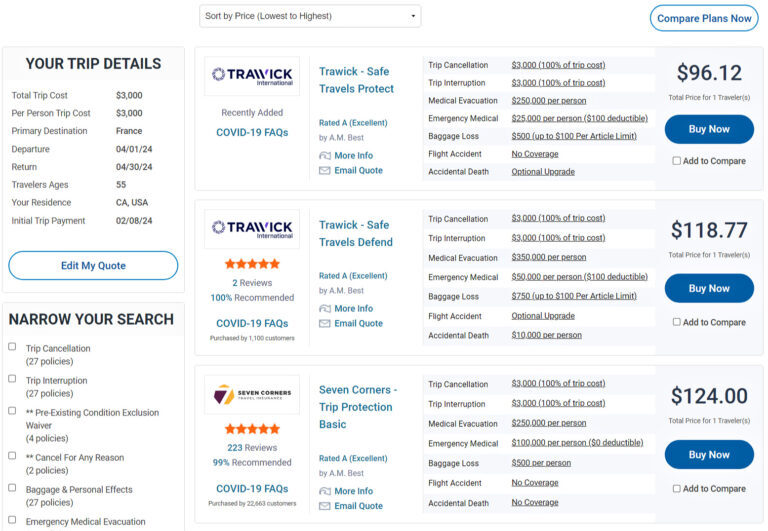
Choosing the right solo travel insurance involves careful consideration of several key factors. Understanding these aspects will help you make an informed decision, ensuring your trip is protected against unforeseen circumstances. A comprehensive understanding of these factors is crucial to navigating the complexities of solo travel insurance and making the most suitable choice.Careful evaluation of different insurance providers, coverage details, and cost structures is vital for securing adequate protection during your solo adventure.
This evaluation process should include an assessment of the insurance provider’s reputation and financial stability, as well as the specifics of the coverage offered, duration, and geographical limitations. Comparing various plans and understanding policy exclusions and limitations are essential steps in making a sound decision.
Provider Reputation and Financial Stability
Insurance providers’ reputation and financial strength are critical considerations. A reputable provider with a proven track record of fulfilling claims demonstrates a commitment to customer satisfaction and financial stability. Reviewing online reviews, ratings, and testimonials from previous policyholders can offer valuable insights into a provider’s reliability. Investigating the company’s financial standing, such as its solvency ratings and financial reports, is also crucial.
A financially stable insurer is more likely to honor claims when needed.
Cost Comparison and Value Proposition
Different travel insurance plans offer varying levels of coverage and cost structures. Comparing costs across multiple providers is essential. Consider the coverage provided for medical emergencies, trip cancellations, lost baggage, and other potential issues. Evaluate the value proposition of each plan by weighing the cost against the comprehensive coverage it offers. A plan that appears more expensive initially might actually offer greater value if it covers a wider range of potential problems.
Coverage Duration and Geographical Limitations
Insurance coverage often has a specific duration. Confirm that the chosen plan covers the entire duration of your solo trip, and review the policy for any limitations on the duration of coverage. Some policies may only cover a specified number of days, weeks, or months. Geographical limitations are another important consideration. Ensure that the coverage extends to the regions you plan to visit.
Some policies may not cover certain countries or regions, or may have different coverage levels for different destinations.
Policy Exclusions and Limitations
Every travel insurance policy includes exclusions and limitations. Carefully review the policy documents to understand what is and isn’t covered. These exclusions and limitations can vary significantly among providers. Understanding these terms and conditions before purchase is critical to avoid any unexpected surprises during your trip. For example, some policies may exclude pre-existing medical conditions, while others may have limits on the amount of coverage for specific medical treatments.
Common exclusions include coverage for activities considered high-risk, such as extreme sports or certain adventurous activities.
Key Considerations Summary
| Factor | Description | Importance |
|---|---|---|
| Price | Cost of the insurance plan | Assess value against coverage |
| Coverage | Types of events covered (medical, trip cancellation, etc.) | Ensure protection against potential risks |
| Provider Reputation | Track record of fulfilling claims and financial stability | Guarantees claim processing and financial reliability |
Understanding Policy Documents
Thorough review of your travel insurance policy is crucial for solo travelers. A clear understanding of the policy’s terms and conditions, coverage specifics, and potential exclusions is vital to ensure protection during your trip. Navigating complex policy language can be daunting, but this section will guide you through the process, empowering you to make informed decisions.Comprehending your travel insurance policy is essential to maximize its benefits.
It’s not just about reading the document; it’s about understanding the implications of its clauses for your specific solo travel plans. This includes recognizing the limitations of coverage, potential costs, and the procedures to follow in case of emergencies. Understanding the policy documents empowers you to make proactive decisions and effectively use your insurance should the need arise.
Reading and Understanding Policy Terms and Conditions
Policy terms and conditions are the legal agreements between you and the insurance provider. They Artikel the specifics of your coverage, including what is and isn’t protected. Carefully reviewing these terms is critical to understanding the scope of your protection. These terms define the boundaries of the insurance contract, explaining what circumstances are covered and those that aren’t.
Understanding Policy Terminology
Precise language is used in insurance policies, and understanding key terms is essential. Familiarize yourself with terms like deductibles, co-pays, and exclusions.
- Deductibles: Deductibles are the amount you pay out-of-pocket before the insurance company begins to pay. For example, a $500 deductible means you pay the first $500 of covered expenses yourself.
- Co-pays: Co-pays are fixed amounts you pay for specific services, like doctor visits or ambulance rides. This amount is usually pre-defined in the policy.
- Exclusions: Exclusions are specific situations or circumstances that are not covered by the policy. Examples include pre-existing medical conditions or certain types of adventurous activities.
Emergency Contact Information and Claim Procedures
Understanding emergency contact information and claim procedures is crucial for a smooth process in case of unforeseen events. Knowing who to contact and how to file a claim can be critical during a difficult situation. This knowledge ensures you can access assistance quickly and effectively.
- Emergency Contact Information: The policy should clearly list emergency contact numbers, including customer service representatives and emergency medical services.
- Claim Procedures: This section Artikels the steps to follow if you need to file a claim. Understanding these procedures will allow you to initiate a claim quickly and efficiently. This includes information about required documentation, deadlines, and notification processes.
Key Policy Clauses and Their Implications
The following table Artikels key policy clauses and their implications for solo travelers. This table provides a concise summary of potential risks and corresponding coverage.
| Policy Clause | Implications for Solo Travelers |
|---|---|
| Medical Expenses | Covers costs of necessary medical care, including hospitalization, doctor visits, and ambulance services. |
| Trip Interruption | Covers expenses if your trip is interrupted due to unforeseen circumstances, such as a natural disaster or illness. |
| Emergency Evacuation | Covers costs of emergency evacuation, which is particularly relevant for solo travelers in remote locations. |
| Lost or Stolen Items | Covers the value of lost or stolen personal belongings, up to the policy limits. |
| Legal Liability | Provides coverage for legal expenses if you’re involved in an accident or incident, protecting you from potential financial repercussions. |
Comparing Insurance Providers
Choosing the right travel insurance provider is crucial for solo travelers, as it protects against unforeseen circumstances. Carefully comparing policies and understanding the nuances of different providers is essential for making an informed decision. Different companies offer varying levels of coverage and pricing, making a thorough comparison a vital step in the planning process.
Policy Coverage Variations Among Providers
Different travel insurance providers cater to various needs and preferences. Policies often differ in their coverage for medical emergencies, trip cancellations, lost luggage, and personal liability. Understanding these nuances is critical for selecting a policy that aligns with your specific solo travel plans.
- Medical Emergency Coverage: Some providers offer comprehensive medical coverage, including emergency evacuation and repatriation, while others may have limited coverage or exclusions for pre-existing conditions. The extent of coverage significantly impacts the financial implications of unexpected medical situations.
- Trip Interruption/Cancellation Coverage: Policies vary in the circumstances that trigger trip interruption or cancellation coverage. This includes factors like natural disasters, illness, or family emergencies. Some providers may offer more lenient terms, while others have strict eligibility criteria.
- Lost Luggage Coverage: The amount of compensation for lost or damaged luggage varies greatly between providers. Consider the value of your belongings and the potential financial impact of a loss when evaluating coverage amounts.
- Personal Liability Coverage: Policies differ in the extent of personal liability coverage. This is crucial for solo travelers, as it can protect against claims related to injuries or damage caused by you during your trip.
Pricing Models and Cost Considerations
Insurance premiums vary considerably among providers. Factors such as the destination, trip duration, and the traveler’s age and health status influence the price. Thorough research into different pricing models is essential to ensure you are getting the best value for your money. Consider not only the base price but also any additional fees or charges.
- Premium Calculation Factors: Providers use various factors to calculate premiums, including destination risk assessments, the traveler’s age, and the length of the trip. The risk assessment for destinations is particularly crucial as it determines the overall cost of the policy.
- Value-Added Services: Some companies offer additional services, such as 24/7 assistance, emergency medical support, or travel assistance. These add-ons may be included at no extra cost or at a supplemental fee.
- Discounts and Promotions: Providers frequently offer discounts and promotions, often tied to specific travel arrangements or affiliations. Be sure to look for any discounts that might apply to your situation.
Customer Reviews and Testimonials
Examining customer reviews and testimonials can offer valuable insights into the quality of service and policy handling by various providers. This information can help you gauge the overall experience and potential issues associated with specific providers.
- Transparency and Accessibility: Check how readily available customer service representatives are, and assess how responsive the company is to customer inquiries and concerns. Transparency in policy terms and conditions is critical.
- Claim Resolution Processes: Research how quickly and efficiently providers handle claims. Real-world examples of claims resolution processes and feedback from past customers provide valuable insight.
- Reputation and Reliability: Look for providers with a strong reputation and a proven track record of providing excellent service. Consider how long the provider has been in business and their overall history in the travel insurance industry.
Comparative Table of Insurance Providers
| Insurance Provider | Features (e.g., Medical, Cancellation) | Pricing (Example Range) | Customer Reviews (Summary) |
|---|---|---|---|
| Example Provider A | Comprehensive coverage, flexible cancellation policies | $100-$250 | Positive feedback on quick claim processing, good customer service |
| Example Provider B | Strong focus on adventure travel, generous baggage coverage | $150-$300 | Mixed reviews; some praise the specific adventure travel support |
| Example Provider C | Emphasis on pre-existing condition coverage | $120-$200 | Positive reviews for accommodating pre-existing conditions |
Claims Process and Procedures
Navigating the claims process can be a crucial aspect of securing the benefits Artikeld in your travel insurance policy. Understanding the steps involved in filing a claim, the necessary documentation, and potential emergency procedures will allow you to handle any unforeseen circumstances with confidence during your solo trip. This section provides a detailed guide to help you through the process.
Filing a Claim
The process of filing a claim varies slightly depending on the specific insurance provider. However, most providers utilize a streamlined online portal or a dedicated claims hotline for ease of access. This often involves reporting the incident promptly and providing all relevant details. Maintaining accurate records of the incident is highly recommended.
Required Documentation
A comprehensive claim requires specific documentation to support the reported event. These documents typically include:
- Policy details, including the policy number and any relevant endorsements.
- Detailed account of the incident, including the date, time, location, and circumstances.
- Supporting evidence such as medical bills, police reports, or flight confirmations, depending on the nature of the claim.
- Photographs or videos of the damage or injury, if applicable.
- Contact information for witnesses, if available.
Thorough documentation is essential for a swift and efficient claim resolution.
Emergency Procedures During a Solo Trip
In the event of an emergency during a solo trip, it is critical to prioritize your safety and well-being. Immediately contact your travel insurance provider using the emergency contact information provided in your policy documents.
- Medical Emergencies: If you experience a medical emergency, seek immediate medical attention and report it to your insurance provider immediately. Document all medical expenses incurred, including hospital bills, doctor’s notes, and prescription details.
- Lost or Stolen Documents: If important documents like your passport or tickets are lost or stolen, report it to the local authorities and contact your insurance provider as soon as possible. Follow the provider’s guidelines for obtaining replacement documents.
- Natural Disasters: If you are affected by a natural disaster, contact your insurance provider as soon as possible. Document the damage to your belongings and gather any supporting documentation from relevant authorities.
Examples of Situations Requiring Claims
- Medical Emergencies: If you require hospitalization due to an unforeseen illness or injury, the claim process involves submitting medical bills, doctor’s reports, and other relevant documentation to your insurer. They will assess the claim based on the policy’s terms and conditions.
- Trip Cancellation: In the event of an unexpected circumstance that necessitates canceling your trip, like a family emergency or unforeseen illness, you can file a claim for any prepaid expenses. Documentation like flight tickets, hotel bookings, and supporting medical records will be needed to substantiate the cancellation request.
- Baggage Loss or Damage: If your checked or carry-on baggage is lost or damaged during transit, provide details of the loss or damage to the airline and file a claim with your travel insurance provider. Provide detailed records of the items lost or damaged, along with their value. Insurance companies will generally require documentation from the airline.
- Personal Liability: If you unintentionally cause damage to another person’s property during your trip, you might need to file a personal liability claim with your insurer. Provide details of the incident and any supporting documents, including police reports, to expedite the process.
Step-by-Step Claim Filing Guide
- Assess the situation: Determine if the event qualifies for coverage under your policy. Review the policy’s terms and conditions to understand the scope of your coverage.
- Gather required documentation: Collect all relevant documents, including policy details, incident reports, medical records, and receipts, as discussed in the previous section.
- Contact your insurance provider: Initiate the claim process by contacting your insurance provider via the designated channel, be it phone or online portal. Follow the provider’s specific instructions for filing a claim.
- Provide detailed information: Accurately report the incident, including date, time, location, and all relevant details. Provide all requested documentation promptly.
- Await claim processing: The insurance provider will assess the claim and notify you of the status.
Practical Tips for Solo Travelers

Traveling solo presents unique opportunities and challenges. Understanding how to leverage travel insurance effectively is crucial for mitigating potential risks and ensuring a smooth and enjoyable experience. This section provides practical tips for solo travelers to make informed insurance decisions, emphasizing preparation and proactive measures.
Making Informed Insurance Decisions
Solo travelers should carefully consider their specific needs and choose a policy that aligns with their travel style and planned activities. Comprehensive coverage is essential for unexpected situations. For instance, a policy covering medical emergencies, trip cancellations, and lost baggage is vital. Policies with higher coverage limits are recommended for extensive journeys or adventurous activities. Travelers should compare policies from various providers to identify the most suitable option.
Ensuring Policy Coverage
A critical aspect of solo travel insurance is verifying the policy’s specific provisions. Ensure the policy explicitly covers activities such as hiking, skiing, or other potential risks associated with your trip. Review the exclusions carefully to understand what is not covered. For example, pre-existing medical conditions might require a separate add-on. Be sure to ask your insurer about any limitations or stipulations related to your planned activities.
Preparing for Unexpected Events
Thorough preparation is key to managing unexpected events during solo travel. Create a detailed itinerary, including planned activities and accommodation details. This will aid in the event of a claim. Inform someone at home of your travel plans, including the dates and your itinerary. Establish emergency contacts and share their information with your chosen insurance provider and your designated emergency contact.
Consider purchasing travel adapters and international calling cards for easier communication.
Pre-Trip Checklist for Solo Travelers
This checklist aids in maximizing insurance benefits and mitigating risks.
- Document all travel arrangements, including flights, accommodations, and planned activities.
- Obtain necessary travel documents, such as passports and visas.
- Inform your bank and credit card companies of your travel dates to prevent fraudulent activity.
- Pack essential medications and first-aid supplies.
- Share your itinerary and contact information with a trusted friend or family member.
- Research local emergency services and healthcare facilities in your destination.
- Purchase a reliable travel adapter and international calling card.
Emergency Contacts and Backup Plans
Establishing emergency contacts and backup plans is vital for solo travelers. This includes designating a trusted person to act as a point of contact while you are abroad. Inform your chosen emergency contact of your travel plans, including your itinerary, and share the insurance policy details. Having a backup plan, such as pre-arranged accommodation or transportation, will help mitigate potential difficulties.
A well-thought-out backup plan will ensure you can return home safely in the event of an emergency. For instance, if your flight is cancelled, having a pre-booked alternative transportation or accommodation ensures a smoother transition.
Avoiding Common Mistakes
Choosing the right travel insurance for solo trips is crucial for a smooth and worry-free experience. However, common pitfalls can arise, leading to unsuitable coverage or missed benefits. Understanding these potential mistakes and how to avoid them empowers solo travelers to make informed decisions.A thorough understanding of the insurance policy’s terms and conditions is essential. Often, travelers overlook crucial details, potentially leading to coverage exclusions or limitations when they need it most.
By recognizing these pitfalls and taking proactive steps to avoid them, solo travelers can protect themselves financially and enjoy their adventures without undue stress.
Common Errors in Purchase
Many solo travelers fall prey to purchasing insurance policies that do not adequately cover their specific needs. This often stems from a lack of thorough research and understanding of the various types of coverage available. Misinterpretations of policy details can also lead to unforeseen issues during the trip. It is essential to meticulously review the policy documents to avoid such mishaps.
- Failing to consider the duration and destination of the trip: A policy suitable for a weekend getaway in a neighboring country might not provide sufficient coverage for an extended backpacking trip across multiple continents. Assessing the length and nature of the journey is critical to ensure the chosen policy adequately addresses the risks involved.
- Overlooking pre-existing medical conditions: Insurance policies often have clauses related to pre-existing medical conditions. Solo travelers must disclose any health issues accurately to avoid limitations or exclusions on coverage.
- Neglecting comprehensive coverage: Some policies focus primarily on emergency medical expenses but may lack provisions for trip interruptions, lost luggage, or other unforeseen events. It is vital to compare policies to ensure comprehensive coverage for various contingencies.
- Rushing the selection process: Taking the time to compare different policies and understand the fine print is crucial. Rushing the process can result in an inadequate policy that does not meet the traveler’s needs.
Pitfalls in the Selection Process
A well-researched and considered approach to insurance selection is critical for solo travelers. Ignoring essential factors can lead to a policy that doesn’t offer the protection required.
- Not comparing multiple providers: Comparing policies from various providers allows for a more comprehensive evaluation of coverage options and pricing. This ensures that travelers find the most suitable plan for their specific needs.
- Not verifying policy exclusions: Policy exclusions often pertain to activities like extreme sports or specific locations. Ignoring these exclusions can lead to denied claims if unforeseen circumstances arise.
- Not understanding the claims process: Familiarizing oneself with the claims process, including required documentation and timelines, is crucial for smooth processing if a claim arises.
Avoiding Misinterpretations of Policy Terms
Thorough understanding of policy terms is essential to avoid disputes. Clear communication and precise documentation are key to a seamless experience.
- Carefully reading the policy documents: Taking the time to read and understand the policy’s terms and conditions, including the fine print, is crucial. Seeking clarification on any unclear points is recommended.
- Seeking professional guidance: Consulting with a travel insurance expert or financial advisor can help clarify any ambiguities and ensure that the chosen policy aligns with individual needs.
- Keeping detailed records: Maintaining detailed records of travel arrangements, including itineraries and receipts, can be valuable if a claim arises.
Summary of Common Mistakes and Solutions
| Common Mistake | Solution |
|---|---|
| Failing to consider trip duration and destination | Thoroughly research policies considering the length and nature of the trip and the destination’s specific risks. |
| Overlooking pre-existing medical conditions | Accurately disclose all pre-existing medical conditions during the policy application process. |
| Neglecting comprehensive coverage | Compare various policies to ensure they cover all potential contingencies, such as trip interruptions, lost luggage, or medical emergencies. |
| Rushing the selection process | Take the time to compare policies from different providers and thoroughly understand the terms and conditions. |
| Not comparing multiple providers | Compare policies from various providers to identify the most suitable plan for the individual’s needs. |
| Not verifying policy exclusions | Carefully review policy exclusions to ensure that the chosen policy covers the intended activities and destinations. |
| Not understanding the claims process | Familiarize oneself with the claims process, including required documentation and timelines, before the trip. |
| Misinterpreting policy terms | Carefully read the policy documents and seek clarification on any unclear points; consult a travel insurance expert. |
Illustrative Scenarios
Understanding the potential risks and challenges of solo travel is crucial when selecting the right travel insurance. This section provides illustrative scenarios to highlight how various situations can impact coverage and emphasize the importance of comprehensive protection.
Medical Emergencies
Unexpected medical events, such as a sudden illness or injury, can significantly impact a solo traveler’s trip. A comprehensive policy should cover necessary medical expenses, including hospitalization, doctor visits, and prescription medications. Emergency evacuation, a critical component, ensures safe transport back home in case of a serious medical condition.
- Scenario 1: A solo traveler experiences a severe allergic reaction while hiking in a remote location. Without adequate medical coverage, the cost of treatment and transportation could be exorbitant.
- Scenario 2: A solo traveler suffers a serious injury requiring surgery during a backpacking trip. Comprehensive insurance will cover not only the surgical costs but also potential rehabilitation expenses.
- Benefit: Comprehensive travel insurance provides financial security during unforeseen medical emergencies, enabling access to necessary care and facilitating a safe return home.
Trip Interruptions
Trip interruptions can occur due to various reasons, ranging from natural disasters to unforeseen personal circumstances. A robust policy will cover expenses related to trip cancellations or interruptions, including pre-paid accommodations and travel arrangements.
- Scenario 1: A solo traveler’s flight is unexpectedly canceled due to severe weather conditions. Insurance can cover the cost of alternative transportation, accommodation, and any other necessary expenses incurred during the interruption.
- Scenario 2: A solo traveler’s family member experiences a sudden illness, forcing the traveler to return home earlier than planned. The policy should cover the expenses associated with the trip interruption, including non-refundable trip components.
- Benefit: Travel insurance offers financial protection against trip disruptions, ensuring that the traveler is not burdened by financial losses due to unforeseen events.
Loss of Belongings
Theft or loss of belongings is a significant concern for solo travelers. Insurance policies can offer protection for personal belongings, including electronics, documents, and valuables.
- Scenario 1: A solo traveler’s backpack is stolen while exploring a city. Travel insurance will help replace lost or stolen items, ensuring the traveler’s continued safety and comfort.
- Scenario 2: A solo traveler’s camera, a crucial tool for documenting their journey, is damaged or lost during travel. Travel insurance will cover the cost of repair or replacement.
- Benefit: Insurance provides financial security in case of theft or loss of belongings, reducing the financial strain on the traveler and ensuring they can continue their trip without significant setbacks.
Liability Coverage
Solo travelers should be aware of potential liability risks. A well-structured policy will cover legal expenses if the traveler is held liable for damages or injuries caused to others.
- Scenario 1: A solo traveler causes damage to property while participating in an outdoor activity. Insurance can cover the cost of repairs or any associated legal fees.
- Scenario 2: A solo traveler is involved in an accident where another person is injured. Liability coverage ensures the traveler is protected against potential legal expenses.
- Benefit: Liability coverage provides legal protection and financial security in case of accidents or damage to others, mitigating potential legal and financial burdens.
Closing Summary
In conclusion, selecting the right solo travel insurance is a vital part of a safe and enjoyable trip. By understanding the types of coverage, evaluating providers, and comprehending policy documents, you can make informed choices to protect yourself against unforeseen circumstances. This guide provides a roadmap to securing the necessary protection for your solo journey, allowing you to focus on the adventure ahead.