Embarking on a solo journey? Public transportation can be a fantastic way to explore new cities and cultures. However, safety is paramount, especially when traveling alone. This comprehensive guide provides practical strategies for navigating public transportation systems safely and confidently, covering essential planning, on-board safety measures, and staying aware and alert throughout your trip.
From meticulous pre-trip planning and understanding local customs to utilizing technology and maintaining situational awareness, this guide empowers you with the knowledge and tools to enjoy your solo adventures with peace of mind. Whether you’re a seasoned traveler or a first-time solo explorer, these tips are designed to enhance your safety and enjoyment on public transport.
Planning Your Trip
A crucial aspect of safe solo travel using public transportation is meticulous planning. Thorough preparation minimizes stress and maximizes your enjoyment by ensuring a smooth and efficient journey. Understanding routes, schedules, and potential delays is paramount to navigating unfamiliar environments confidently.Effective planning involves a proactive approach to research and organization. This includes detailed route mapping, scheduling considerations, and an awareness of potential challenges.
By proactively addressing these elements, solo travelers can confidently navigate their journeys.
Researching Public Transportation Routes and Schedules
Comprehensive research into public transportation networks is essential. This includes exploring available online resources such as official transit agency websites, mobile apps, and travel planning platforms. These resources often provide detailed maps, schedules, and real-time updates, aiding in route selection and timetable adherence. Utilize these resources to pinpoint the most direct and efficient routes for your chosen destinations.
Consider potential transfer points and time buffers for seamless transitions between different modes of transport.
Creating a Travel Itinerary
A well-structured travel itinerary is critical for solo travelers. It should clearly Artikel your planned route, incorporating estimated travel times for each leg of your journey. Consider potential delays, such as traffic congestion or unexpected service disruptions. Factor in buffer times to accommodate unforeseen circumstances. For example, if your route involves multiple transfers, build in extra time for potential delays at each stop.
Acquiring and Understanding Public Transportation Maps and Schedules
Public transportation maps and schedules are invaluable tools. Understanding these documents is crucial for efficient navigation. Study the map to visualize routes and identify transfer points. Pay close attention to station names, line numbers, and directions. Use the schedule to determine departure and arrival times, and consider potential delays when constructing your itinerary.
Familiarize yourself with the layout of the station, the types of tickets offered, and any specific rules.
Comparing Different Public Transportation Options
Comparing various public transportation options is important for selecting the most suitable method for your trip. Consider factors such as travel time, cost, frequency of service, and accessibility. For example, a bus route might be more affordable but slower than a train, while a subway might offer faster travel but at a higher cost. Evaluate the trade-offs between different options to select the optimal solution based on your needs.
Pre-Trip Preparation Checklist
Pre-trip preparation is crucial for a stress-free experience. This involves a series of steps that should be completed before your journey.
- Purchasing Tickets: Acquire necessary tickets or passes in advance to avoid potential delays at ticket booths. This is particularly important during peak travel periods.
- Downloading Necessary Apps: Download and familiarize yourself with mobile apps for public transportation, which often provide real-time updates and route information. Ensure you have a stable internet connection and sufficient data allowance.
- Confirming Travel Dates: Double-check your travel dates and times to avoid any mishaps or scheduling conflicts. Verify that the chosen routes and schedules are accurate and applicable for your chosen travel dates.
Safety Measures on Board
Traveling alone on public transportation can be a rewarding experience, but it’s crucial to prioritize safety. This section Artikels essential precautions to take before boarding and while navigating public transport, focusing on strategies to mitigate potential risks and ensure a comfortable and secure journey.Safe travel on public transport involves a proactive approach, encompassing preparation, awareness, and responsible interaction with fellow passengers.
Careful planning and adherence to safety measures can significantly reduce potential hazards, allowing for a positive and worry-free experience.
Pre-Boarding Safety Precautions
Thorough preparation before boarding minimizes potential risks during the journey. Checking schedules and routes in advance, understanding the layout of the transport system, and familiarizing yourself with emergency exits and locations, significantly enhances safety. Knowing the expected travel time and identifying possible delays will allow you to be prepared for unexpected circumstances. This proactive approach helps you remain calm and confident during your journey.
Identifying and Avoiding Potentially Dangerous Situations
Observing your surroundings and recognizing potential threats is vital. Be aware of individuals acting suspiciously, and avoid engaging in conversations or interactions with those who make you uncomfortable. Maintain a cautious distance from individuals exhibiting aggressive or erratic behavior. If confronted with a dangerous situation, prioritize your safety and promptly seek assistance from a staff member or security personnel.
Safe Seating Arrangements for Solo Travelers
Strategic seating choices can enhance personal safety. Choose seats near the doors or in well-lit areas with high visibility. Avoid sitting in secluded or dimly lit areas. When possible, sit near other passengers, fostering a sense of shared security. The goal is to be in a position where you feel more visible and have a better view of the surroundings.
Keeping Personal Belongings Secure
Protecting personal belongings is paramount. Keep valuables close to your body, preferably in a front pocket or bag that is easy to access and control. Avoid displaying expensive items or large sums of money openly. When using a backpack, adjust the straps to keep it secure and close to your body, preventing easy theft. Consider using a crossbody bag, if appropriate, to keep your belongings within reach and visibility.
Interacting with Fellow Passengers for Enhanced Security
Maintaining a friendly but cautious demeanor with fellow passengers can increase your safety. If you need assistance or information, approach passengers politely and directly, avoiding prolonged conversations or interactions with strangers. Smiling and maintaining an approachable but cautious demeanor can help you feel more secure and comfortable on public transportation.
Safety Concerns for Solo Female Travelers and Mitigation Strategies
Solo female travelers may face unique safety concerns. Maintaining awareness of surroundings, avoiding walking alone at night, and utilizing well-lit areas and routes are crucial. Traveling with a personal safety alarm or whistle, and sharing your travel plans with a trusted contact are additional safety measures. In case of an emergency, knowing the location of emergency exits and exits can help ensure a swift and safe escape.
Example of Potential Safety Concerns and Mitigation Strategies
| Potential Safety Concern | Mitigation Strategy |
|---|---|
| Aggressive or suspicious behavior by fellow passengers | Maintain a cautious distance and avoid direct interaction. If necessary, seek assistance from staff or security personnel. |
| Pickpocketing | Keep valuables close to your body and use secure bags or pockets. Avoid displaying large sums of money or expensive items. |
| Unfamiliar surroundings | Research routes and stations in advance. Identify emergency exits and locations before boarding. |
Staying Aware and Alert

Maintaining a heightened awareness of your surroundings is paramount for personal safety on public transportation. This involves proactive measures to recognize potential risks and to react appropriately in potentially dangerous situations. By practicing these techniques, you can significantly reduce your vulnerability to crime and enjoy a more secure travel experience.Effective safety strategies involve more than just physical precautions; a mental state of alertness is equally crucial.
This means actively scanning your environment, being mindful of your belongings, and maintaining a sense of situational awareness. Understanding potential risks and practicing appropriate responses will enhance your overall safety and well-being while traveling.
Surrounding Awareness Techniques
Proactive vigilance is essential for staying safe on public transport. This involves actively scanning your environment, not passively observing. Notice the people around you, noting their behavior and any unusual activities. Pay attention to the flow of the crowd, identifying potential congestion points or areas where individuals might try to conceal their actions. By being observant and attentive to subtle details, you can detect potential threats before they escalate.
Alertness to Avoid Becoming a Target
Maintaining alertness is key to avoiding becoming a target for crime. Keep your belongings close, and avoid displaying expensive items or large sums of cash. Be aware of your personal space and avoid interactions with individuals who seem aggressive or suspicious. Trust your instincts; if a situation feels uncomfortable or unsafe, remove yourself from it. These simple precautions can significantly reduce the risk of becoming a victim of crime.
Responding to Suspicious Activity
Developing a plan for responding to suspicious activity is crucial. If you witness suspicious behavior, note the details, including descriptions of individuals and their actions, and any identifying characteristics. Document the time and location of the incident, and if possible, discreetly take a photograph or video of the situation. Report any suspicious activity to a responsible authority, such as a security guard or the authorities.
Remember, your report can help prevent similar incidents from occurring.
Recognizing and Avoiding Unsafe Individuals or Groups
Developing an ability to recognize potentially unsafe individuals or groups is an important aspect of personal safety. Be cautious of individuals who appear aggressive, confrontational, or who display erratic behavior. Pay attention to any unusual or threatening interactions among groups of people. Avoid situations that involve individuals or groups who seem to be intentionally trying to isolate or intimidate you.
These strategies will help you to stay clear of potentially dangerous encounters.
Navigating Crowded Areas Safely
Crowded public transport environments can pose specific safety challenges. Maintain awareness of your belongings in high-traffic areas, using secure pockets or bags to keep them close. When possible, try to avoid areas that are particularly crowded or secluded. Maintain awareness of the exits and pathways. Stay close to other passengers or groups, particularly in poorly lit or dimly lit areas, to maintain a sense of safety in numbers.
By implementing these strategies, you can navigate crowded environments more safely and confidently.
Managing Personal Belongings
Traveling alone on public transportation requires heightened awareness of personal belongings. Securing your items is paramount to a safe and enjoyable journey. This section Artikels essential strategies for safeguarding your valuables and mitigating potential risks associated with theft.Protecting your belongings involves proactive measures and a mindful approach. Effective strategies for managing your belongings while traveling on public transport include a combination of preventative techniques and adaptable responses to potential threats.
Securing Personal Belongings
Maintaining vigilance and utilizing practical measures can significantly reduce the risk of theft. Keeping your belongings secure and organized is crucial for a safe journey.
- Organize Your Belongings: Place important documents, wallets, and other valuables in easily accessible yet secure pockets. Consider using a small, secure bag or purse designed to hold essentials and keep them close to your body. Minimize the number of items carried to reduce potential targets for theft.
- Use Secure Pockets: Inside pockets, located near your body, are ideal for storing valuables. Avoid using back pockets or openly displaying large wallets.
- Carry Only Essential Items: Limit the items you carry, focusing on essentials for the journey. Minimize distractions and potential targets for theft.
- Avoid Overcrowding: Standing in areas where you can’t see your belongings or are easily surrounded by other people will significantly increase the chances of pickpocketing or theft. Avoid these crowded areas if possible.
Avoiding Pickpocketing
Understanding common pickpocketing tactics can empower you to adapt your behavior and safeguard your belongings. Being aware of the strategies pickpockets employ can help you anticipate and avoid them.
- Maintain Awareness of Surroundings: Be observant of your surroundings and people around you. Pay close attention to individuals who appear overly interested in your belongings or who might be acting suspiciously.
- Keep Valuables Close to Your Body: Never leave valuables unattended or in easily accessible locations. Keep wallets, purses, and other items close to your body.
- Avoid Distractions: Avoid engaging in conversations or activities that might distract you from your surroundings and potentially make you a target for pickpocketing.
- Use Secured Bags: Invest in a bag or purse with secure closures, and avoid using bags that have easily accessible zippers or openings.
Keeping Valuables Out of Sight
Concealing valuables effectively reduces the risk of theft. This approach involves using various methods to prevent theft and keep belongings secure.
- Use Inner Pockets: Storing valuables in inner pockets, such as those located near your body, is a reliable method to keep them out of sight and reduce the likelihood of theft.
- Use Crossbody Bags: A crossbody bag can help keep your valuables close to your body while allowing your hands to remain free. This positioning makes them harder to steal.
- Avoid Visible Displays: Do not display expensive jewelry, electronics, or other valuable items. This will reduce the temptation for theft.
Using a Personal Safety Device or Bag
Personal safety devices and bags offer added security. These are designed to help deter theft and protect belongings.
- Personal Safety Devices: A personal safety device, like a personal alarm or a keychain alarm, can deter potential thieves. They create a loud noise that can scare away an attacker.
- Secure Bags: Look for bags with reinforced zippers, locking mechanisms, or hidden compartments. These features add an extra layer of security.
- Secure Bag Selection: Consider a bag with strong zippers, a sturdy strap, and a well-hidden main compartment to secure your valuables.
Concealing Valuable Items
Concealing valuable items discreetly is an important aspect of personal safety. This can include various methods for discreetly carrying and protecting your valuables.
- Hidden Compartments: Consider bags or purses with hidden compartments to store valuable items.
- Concealed Pockets: Utilize the pockets in your clothing that are most protected and out of sight to store valuable items.
Communication and Support
Maintaining contact with others and having a support system is crucial for solo travelers using public transportation. Knowing how to effectively communicate your location and plans, and how to access emergency services, can significantly enhance your safety and peace of mind. This section provides vital information on staying connected and accessing help during your journey.
Maintaining Contact with Others
Staying in touch with loved ones is a fundamental aspect of travel safety. Regular communication allows for immediate support if needed and provides a sense of security. Utilizing various communication methods, like texting or social media, can be convenient and effective. For more frequent or detailed updates, consider using a phone app that enables location sharing with pre-approved contacts.
These methods enable friends or family to track your approximate location and know you are safe.
Staying Connected While Traveling
Staying connected with friends or family is essential during travel. Pre-planning communication strategies can make a significant difference. Ensure your phone is charged and has sufficient data or a backup plan for communication. Discuss a schedule for regular contact with your travel companions or family members. This proactive approach ensures you can maintain contact and quickly share any issues or changes in your plans.
Consider utilizing Wi-Fi hotspots or mobile data roaming packages, if needed, to maintain consistent communication.
Utilizing Emergency Services on Public Transport
Knowing how to access emergency services on public transportation is vital. Familiarize yourself with the emergency procedures and contact information specific to the transportation system you are using. Most public transportation systems have dedicated emergency call systems or buttons that can alert staff. Learn how to activate these systems and understand the response process.
Emergency Contact Numbers
Having readily available emergency contact numbers can be critical in an emergency. These numbers should be stored in your phone and readily accessible. Below is a table containing some sample emergency contact numbers for different regions. Please note that this is not an exhaustive list, and you should always check local emergency numbers for the specific region or country you are traveling to.
| Country/Region | Emergency Number |
|---|---|
| United States | 911 |
| United Kingdom | 999 |
| Canada | 911 |
| Australia | 000 |
| Germany | 112 |
Informing Someone of Your Travel Plans
Sharing your travel plans with a trusted contact is a crucial safety measure. Detailing your itinerary, including the specific transportation routes, arrival and departure times, and points of contact, will provide valuable information to someone if you encounter any difficulties. This allows them to quickly determine your whereabouts and potentially take appropriate action if necessary. Furthermore, sharing these plans will ease the minds of your loved ones, ensuring they know your expected arrival times.
This also helps in promptly notifying authorities or emergency services if needed. In essence, pre-emptive communication minimizes potential stress and improves safety.
Understanding Local Customs
Navigating public transportation in a new city or country often involves more than just knowing the routes. Respecting local customs and etiquette is crucial for a smooth and positive experience. This section explores how to research local norms, understand acceptable and unacceptable behaviors, and navigate potential cultural misunderstandings to ensure a safe and respectful journey.
Researching Local Customs and Etiquette
Thorough research is essential for understanding local customs and etiquette related to public transport. This involves consulting reliable resources such as travel guides, websites dedicated to specific destinations, and social media groups for local insights. Seeking out information on cultural sensitivities and common practices can help you anticipate potential situations and avoid unintentional faux pas. Reading online forums and blogs from fellow travelers can also provide valuable firsthand accounts of local customs and practices.
Examples of Acceptable and Unacceptable Behavior
Different cultures have varying expectations regarding public transport behavior. For instance, in some cultures, it is considered polite to offer your seat to elderly passengers or pregnant women. In other cultures, maintaining personal space and avoiding physical contact is more common. Loud conversations or boisterous behavior might be acceptable in one culture, while considered disruptive in another.
Strategies for Respecting Local Norms and Traditions
Respecting local norms and traditions is paramount when utilizing public transport. Pay attention to nonverbal cues and body language. If unsure about a situation, err on the side of caution and adopt a respectful demeanor. Observe how locals interact and behave on public transport to gauge appropriate conduct. A simple act of politeness, such as offering a small gesture of thanks, can go a long way.
Navigating Potential Cultural Misunderstandings
Cultural misunderstandings can arise in any public transport setting. If confronted with a situation you don’t understand, try to remain calm and polite. Ask for clarification politely if possible. If a misunderstanding escalates, seek assistance from a trusted source, such as a local authority or a member of your travel group. Remember that cultural differences should be viewed as opportunities for learning and growth.
Public Transportation Etiquette Across Regions
| Region | Acceptable Behavior | Unacceptable Behavior | Specific Etiquette Notes |
|---|---|---|---|
| Japan | Offering your seat to elderly, standing quietly, maintaining a low volume of conversation. | Loud talking, eating or drinking on the train, pushing or shoving. | Respect for personal space is paramount. Consider wearing shoes appropriate for inside. |
| United States | Holding a door open for others, making small talk, using common courtesy. | Aggressive behavior, disruptive activities, loud conversations. | Cultural differences exist within the U.S. and it is wise to observe local patterns. |
| South Korea | Offering seats to elderly or pregnant women, quiet behavior, showing respect for personal space. | Loud talking, eating or drinking on public transportation, disrespecting the elderly. | Showing respect for elders and authority figures is essential. |
| India | Respecting personal space, offering seats to elderly, observing appropriate clothing and conduct. | Disrespecting local customs, engaging in boisterous behavior, making loud or inappropriate noises. | Public displays of affection are generally discouraged. |
Addressing Potential Issues
Traveling alone on public transportation can sometimes present unforeseen challenges. Knowing how to address potential issues, from lost belongings to emergencies, is crucial for a safe and stress-free journey. This section will Artikel strategies for handling various situations that may arise.
Dealing with Lost or Stolen Items
A common concern for solo travelers is the possibility of losing or having items stolen. Preparation and proactive measures can significantly reduce the risk. Immediately report the loss to the nearest station staff or security personnel. Provide a detailed description of the missing item, including its unique features, to aid in identification. Keep records of receipts, purchase dates, and serial numbers for valuable items, and if possible, take photographs or videos of your belongings.
Resolving Conflicts with Passengers
Disagreements with fellow passengers can occur, and it’s important to know how to handle them calmly and effectively. If a conflict arises, prioritize de-escalation. Try to communicate your concerns in a clear and respectful manner. Avoid physical confrontation or arguments. If the situation becomes threatening or unmanageable, move away from the source of the conflict or seek assistance from station staff or security personnel.
Reporting Incidents to Authorities
Understanding how to report incidents to the appropriate authorities is vital for ensuring accountability and support. Maintain a record of the incident, including date, time, location, and a description of the event. Contact the relevant transport authority’s customer service or security department. Provide a clear and concise account of the situation to facilitate an investigation and resolution.
Handling Emergencies on Public Transport
Unforeseen emergencies, such as medical crises or accidents, can occur on public transport. Being prepared and knowing how to react can significantly impact the outcome. In medical emergencies, promptly seek assistance from medical personnel or call emergency services. If possible, try to determine the nature of the issue and provide the necessary information to medical responders or authorities.
During accidents, prioritize personal safety and the safety of others. Remain calm and observe the situation carefully.
Emergency Action Flowchart
This flowchart provides a structured approach to handling different emergency situations:
| Situation | Immediate Action | Further Action |
|---|---|---|
| Medical Emergency | Assess the situation, call emergency services (if possible), provide basic first aid if trained, and stay calm. | Follow instructions from emergency services, ensure medical personnel are alerted to the situation. |
| Accident | Ensure the safety of yourself and others, assess the situation, and contact emergency services if necessary. | Follow instructions from emergency services, provide details to authorities, and cooperate with investigation if required. |
| Lost/Stolen Item | Report to station staff or security, provide a description of the lost/stolen item. | Follow up with transport authority for updates. |
| Conflict with Passenger | De-escalate the situation, maintain a calm demeanor, and move away from the source of the conflict if possible. | Contact station staff or security if the situation escalates. |
Choosing Safe Routes and Times
Prioritizing safety is paramount when using public transportation, especially as a solo traveler. Understanding route characteristics and travel times can significantly reduce potential risks. This section details strategies for selecting secure routes and optimal travel hours.Careful route selection and time management are crucial for a safe solo travel experience. Choosing the safest possible route and travel time can significantly reduce potential risks and enhance a traveler’s sense of security.
Route Selection Strategies
Route selection involves evaluating factors like frequency of service, the presence of security personnel, and the overall environment along the route. Considering these factors helps ensure a smoother and safer journey.
- Frequency of Service: Routes with higher frequency offer more opportunities to avoid potentially risky situations. Reduced wait times and increased availability of transport can significantly impact safety. For instance, a bus route that runs every 15 minutes offers more options than one running every hour. The greater the frequency, the less likely a traveler is stranded in an isolated area for an extended period.
- Security Personnel Presence: Routes with visible security personnel, such as police officers or transit security guards, often provide a higher degree of safety. The presence of security personnel can deter crime and provide a sense of security for passengers. Observing the presence of uniformed security personnel during transit can act as a deterrent to criminal activity.
- Route Environment: Evaluating the route’s environment, including the surrounding areas and the nature of the stops, is essential. A route passing through well-lit, populated areas generally offers greater safety than one that traverses dark, deserted stretches. The presence of businesses, restaurants, or other signs of activity along a route indicates a safer environment.
Comparing Routes Based on Safety
A comprehensive assessment of different routes requires a multi-faceted approach. Evaluating the safety of various routes is essential to ensuring a secure journey. The safety of a route is not static; it can change based on time of day and other factors.
| Route | Frequency | Security Personnel | Route Environment | Safety Assessment |
|---|---|---|---|---|
| Route A | High | Present | Well-lit, populated areas | High |
| Route B | Low | Absent | Dark, deserted areas | Low |
Avoiding High-Crime Areas
Understanding and avoiding areas known for higher crime rates is crucial for maintaining safety. Researching and identifying these areas in advance can significantly reduce the risk of encountering dangerous situations.
- Research: Utilize online resources, local news reports, and recommendations from trusted sources to identify areas with higher crime rates. Information from reliable sources can help identify areas to avoid during travel.
- Navigation Apps: Employ navigation apps that offer real-time crime statistics and safety alerts for specific locations. Real-time data and alerts can aid in avoiding high-risk areas.
- Avoidance Strategies: If possible, plan your route to avoid areas with a high crime rate. Alternative routes or adjusting travel times can help avoid risky situations. A conscious effort to circumvent high-crime areas can significantly enhance personal safety.
Safe Travel Times
Identifying the safest travel times is essential for minimizing risks. The optimal time for travel can vary depending on factors like the route and destination.
- Peak Hours: Avoid peak hours, such as rush hour, as these times tend to be more crowded and potentially more risky. Avoiding peak hours reduces the chance of encountering larger crowds and potential safety issues.
- Off-Peak Hours: Off-peak hours often offer a safer and more manageable travel experience. Traveling during these hours often reduces the likelihood of safety issues.
- Examples: In many cities, the safest times to travel on public transport are early mornings or late evenings, when fewer people are on the routes. This can lead to a more controlled and safer travel experience.
Route Safety Assessment Method
A structured approach to assessing route safety can be developed. This method provides a framework for evaluating the safety of a particular route or section.
- Identify Route: Clearly define the specific route of interest. A precise definition of the route is the first step to evaluating its safety.
- Gather Information: Collect data on the route’s frequency, security presence, and environmental characteristics. Comprehensive information helps assess the route’s safety level.
- Evaluate Risk Factors: Analyze the collected information to identify potential safety risks. Identifying risk factors is essential to understanding the safety profile of the route.
- Assess Safety Level: Based on the risk factors, assess the overall safety level of the route. A structured evaluation helps determine the route’s safety.
Utilizing Technology for Safety
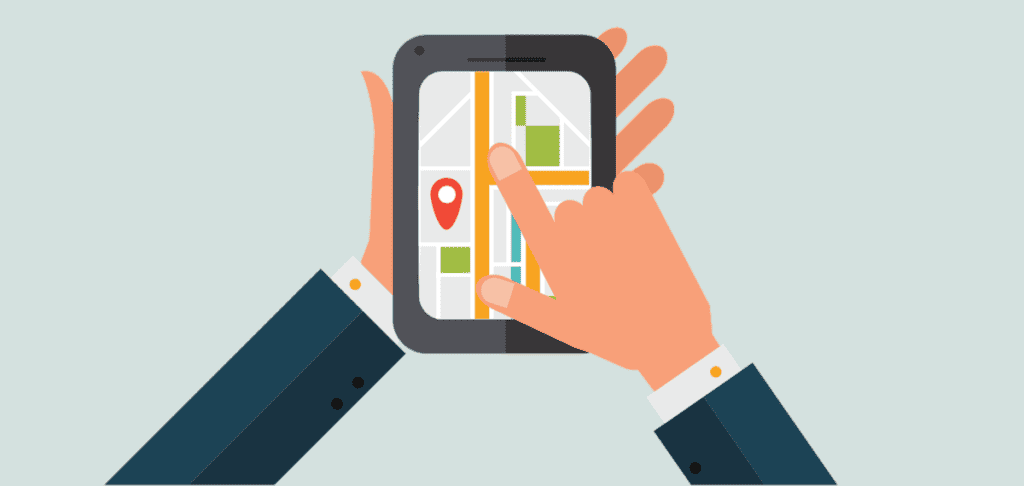
Leveraging technology can significantly enhance safety for solo travelers using public transportation. Mobile applications and online resources provide valuable tools for real-time information, security, and communication, minimizing potential risks and maximizing peace of mind. Utilizing these tools allows travelers to stay informed, connected, and prepared for any situation.Technology acts as a vital extension of personal safety measures, providing real-time updates and facilitating communication.
This proactive approach allows solo travelers to be prepared for potential issues and connect with support networks efficiently.
Best Mobile Apps for Safe Travel
Effective mobile apps can streamline public transport navigation and provide crucial safety features. These tools offer real-time updates, safety alerts, and communication features, enhancing the overall travel experience.
- Transit apps: Apps dedicated to public transportation provide real-time schedules, route information, and estimated arrival times. These tools enable travelers to plan their journeys efficiently and avoid delays, contributing to a safer travel experience.
- Safety apps: Specific safety apps offer features such as emergency SOS buttons, location sharing with trusted contacts, and the ability to alert authorities in case of an emergency. These apps empower travelers with quick and reliable communication options in challenging situations.
- Mapping apps: Navigation apps like Google Maps or Apple Maps provide detailed maps and directions, making it easy to navigate unfamiliar areas and ensuring travelers reach their destinations safely. These tools also offer alternative route suggestions, helping travelers avoid potentially unsafe areas.
GPS Tracking for Solo Travelers
GPS tracking can significantly enhance the safety of solo travelers. By sharing their location with trusted contacts, travelers can provide reassurance and facilitate rapid response in case of an emergency.
- Location sharing: Many mobile apps allow users to share their real-time location with designated contacts. This feature enables friends or family to monitor the traveler’s progress and ensures they can be contacted promptly in case of an issue.
- Pre-determined routes: Using GPS tracking, travelers can share specific routes with contacts, offering a clear picture of their journey. This proactive approach ensures contacts have immediate access to the traveler’s precise location and planned route, increasing reassurance and security.
Utilizing Online Resources for Safe Transport Options
Researching public transportation options online can help travelers choose the safest routes and schedules. This proactive approach helps avoid potential hazards and facilitates a smooth and secure journey.
- Online forums: Online forums dedicated to public transportation or travel communities provide valuable insights and reviews about different routes, schedules, and potential safety concerns. This peer-to-peer feedback can offer valuable insights into potential issues or hidden dangers.
- Travel blogs and websites: Many travel blogs and websites offer comprehensive guides on public transportation systems, including safety tips, route suggestions, and traveler experiences. These resources offer detailed information on public transportation options, contributing to a safer and more informed travel plan.
Real-Time Public Transport Updates
Real-time updates regarding public transport schedules are crucial for safe travel. These updates can assist travelers in adjusting their plans and avoiding potential delays or issues.
- Live tracking: Several transit apps provide real-time tracking of buses, trains, and other public transport vehicles. This feature enables travelers to track the progress of their chosen mode of transport, ensuring they know the approximate arrival time and are prepared for any potential delays.
- Alert systems: Some apps offer alert systems that notify travelers of delays, disruptions, or other changes to the schedule. This proactive approach helps travelers stay informed and adjust their plans accordingly, mitigating potential issues.
Comparing Mobile Apps for Public Transport and Safety
A comparative table showcasing key features of popular mobile apps for tracking public transport and enhancing safety can assist travelers in selecting the most suitable option.
| App Name | Real-time Tracking | Safety Features | Ease of Use | Cost |
|---|---|---|---|---|
| Transit App A | Excellent | Limited | Easy | Free/In-app purchases |
| Safety App B | Good | Excellent | Moderate | Free/Subscription |
| Mapping App C | Good | Basic | Very Easy | Free |
Staying Aware of Surrounding Environment
Maintaining situational awareness is paramount for personal safety when using public transportation. A heightened sense of observation and alertness allows you to identify potential risks and react appropriately, minimizing the chances of encountering dangerous situations. This involves actively engaging with your surroundings and understanding the potential risks inherent in various environments.Situational awareness encompasses more than just looking around; it’s about actively processing information and understanding the potential dangers.
This means paying attention not just to obvious threats, but also to subtle cues that might indicate a developing unsafe situation. A proactive approach to safety is crucial for minimizing risks on public transportation.
Importance of Situational Awareness
Situational awareness is a crucial element of personal safety. It involves actively and continuously assessing your surroundings, identifying potential threats, and understanding the dynamics of the environment. This awareness allows you to anticipate and react appropriately to potential dangers, ensuring your well-being. A high degree of situational awareness allows you to remain vigilant and make informed decisions to mitigate risks.
Identifying Potentially Dangerous Situations
Recognizing potential dangers is a key component of situational awareness. Observing unusual or suspicious behavior of others, such as aggressive or threatening actions, is critical. Paying attention to the presence of large groups of people or noticeable increases in crowd density can also be indicators of potential problems. Be aware of areas that seem isolated, poorly lit, or lacking supervision, as these areas can increase the likelihood of danger.
Avoiding Distractions That Compromise Safety
Distractions can significantly compromise your safety on public transportation. Minimizing distractions such as cell phones, headphones, or other personal devices can help you maintain a heightened state of awareness. Focusing on your surroundings and the people around you allows for timely detection of potential hazards. Prioritize safety over entertainment.
Significance of Paying Attention to Surroundings
Continuously monitoring your surroundings is vital for safety. Paying close attention to your immediate environment will help you detect any unusual activities or changes that might indicate a threat. This includes noticing the presence of suspicious individuals or unusual objects, as well as any sudden or unexpected changes in the atmosphere or crowd behavior.
Maintaining a Safe Physical Distance
Maintaining a safe physical distance from others, especially in crowded areas, is essential for personal safety. This distance allows you to react quickly if necessary and to avoid unwanted contact or physical interference. A buffer zone provides a measure of security and personal space in a shared environment.
Summary
In conclusion, safe travel on public transportation requires a proactive approach encompassing meticulous planning, vigilant safety measures, and an awareness of your surroundings. This guide provides a roadmap for solo travelers, empowering them to confidently navigate different transport systems and cultural contexts. By applying the tips presented here, you can not only ensure a safe journey but also make the most of your solo travel experiences.